How Many Miles Can A Honda Accord Get? (Maintain It Right)
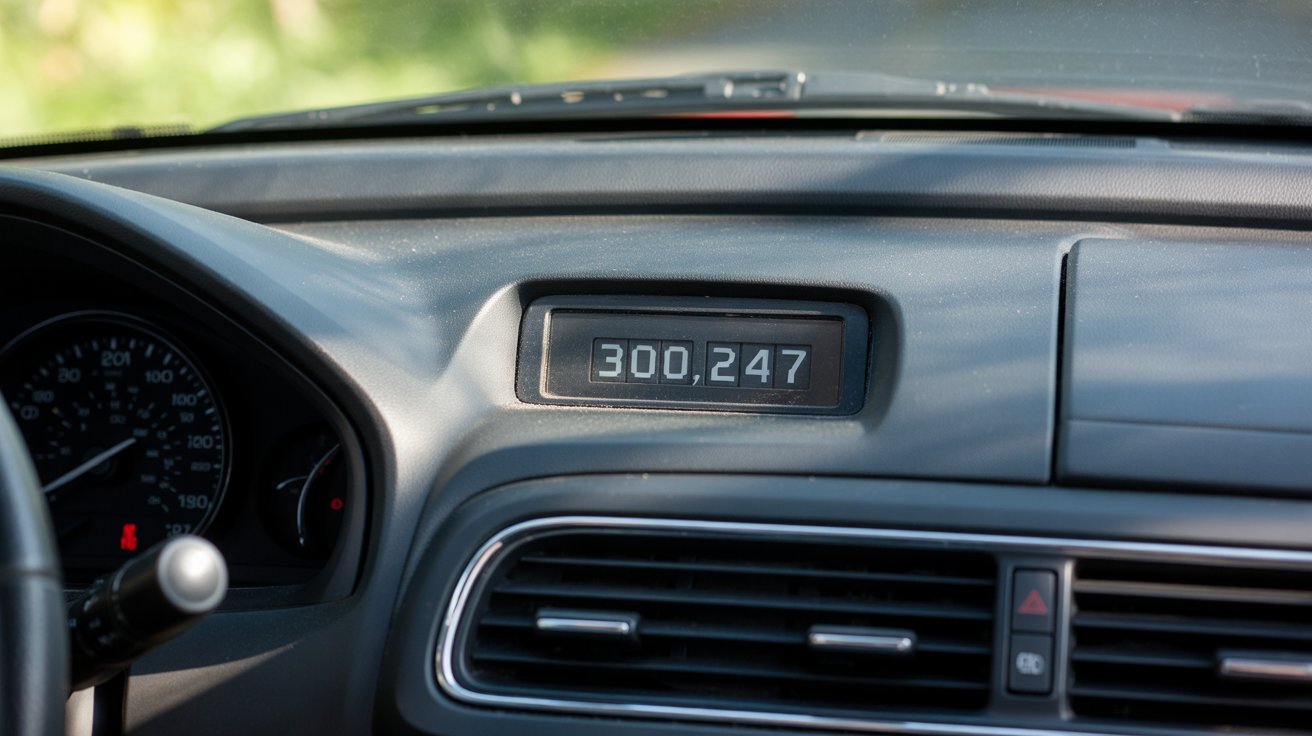
A Honda Accord can last 200,000 to 300,000 miles or more when maintained properly. Honda builds the Accord’s engine and transmission for long-term durability, but mileage potential depends almost entirely on how consistently the owner handles oil changes, fluid services, and small repairs.
This guide explains the actual mileage a Honda Accord can achieve and the specific habits that help owners push past 200,000 miles. According to many Honda owners and independent reliability studies, properly maintained Accords frequently exceed 200,000 miles and can reach 300,000 miles or more.
Can Your Honda Accord Really Last 300,000 Miles?
Accords last long when the owner stays on top of small jobs, keeps the oil fresh, keeps the filters clean, and fixes issues before they get bigger. In real shops, most Accords that die early were not weak; they were neglected. The cars that crossed 300,000 miles never missed fluid levels or warning signs. When you follow regular oil changes, replace worn parts early, and avoid abusive driving, the car ages slowly.
High-mileage owners are boring owners with the same oil interval, same fluids, same inspections, every time. Owners who stay consistent with maintenance see far more mileage gains than those who simply drive gently.
How Does the Accord Timing System Affect Long-Term Mileage?
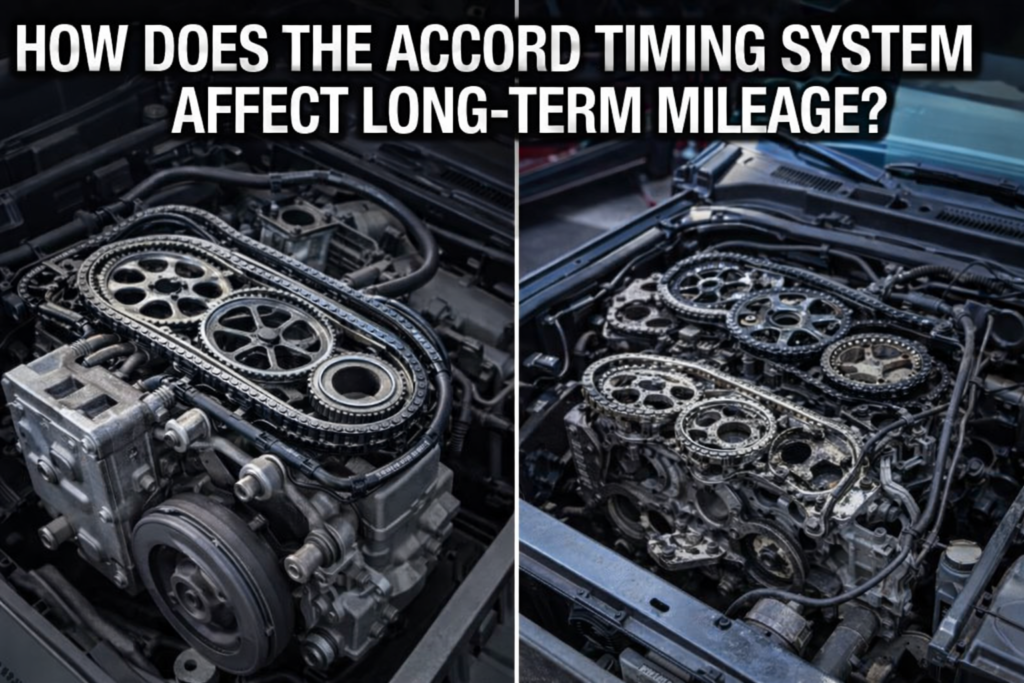
A customer brought in a 2010 Accord V6 with 182,000 miles that ran fine yesterday. The timing belt snapped on the highway. Bent valves, internal damage, and engine replacement are required. The car was totaled because the owner skipped a $900 service. The engine was not weak; neglect killed it instantly. Most high-mileage Accords survive because the owners never let simple maintenance slide.
The timing system controls engine breathing and ignition timing, so its health directly affects performance and lifespan. A strong belt or chain keeps the engine working smoothly and prevents power loss. On V6 models, a failed belt can destroy the engine. Replacing it on schedule prevents sudden failure and protects long-term mileage.
Owners who are unsure whether their Accord uses a timing belt or chain should check before the next service interval, as the maintenance schedule differs significantly between the two.
Which Honda Accord Engines Can Handle the Most Miles?
The 2.4L i-VTEC is often considered one of the longest-lasting Accord engines because of its simple design and strong reliability record. Turbo engines require strict oil care because heat builds up more quickly. The V6 is strong but depends heavily on timely belt changes. Any Accord engine loses its lifespan quickly when it burns oil or overheats.
Neglected PCV valves cause many high-mileage Accord failures. A stuck PCV increases oil consumption and crankcase pressure, quietly shortening engine life. Replacing it every 60,000 to 80,000 miles helps prevent oil burning and seal damage. Regular oil checks and cooling system service matter more than engine size.
Typical Mileage Potential by Generation
| Generation | Model Years | Typical Mileage Potential |
|---|---|---|
| 7th Gen | 2003 to 2007 | 250,000 to 300,000+ miles |
| 8th Gen | 2008 to 2012 | 250,000 to 300,000+ miles |
| 9th Gen | 2013 to 2017 | 200,000 to 300,000 miles |
| 10th Gen | 2018 to 2022 | 200,000 to 250,000+ miles |
| 11th Gen | 2023 to 2026 | Too new for long-term mileage data |
Engine Longevity Table:
| Engine Type | Known Mileage Potential | Notes |
| 2.4L i-VTEC | 300,000+ miles | Most reliable long-term engine |
| 1.5T | 200,000 to 250,000 miles | Requires a strict oil change routine |
| 2.0T | 250,000+ miles | Strong and durable |
| V6 (J-Series) | 250,000 to 300,000 miles | The timing belt must be replaced on time |
Even the best engine will shorten its life if it burns oil or overheats, so regular checks matter as much as the engine type.
Do 4-Cylinder Accords Last Longer Than V6 Models?
Yes. Many four-cylinder Accords have lower long-term maintenance costs because most use timing chains, while V6 models require periodic timing belt replacement, run cooler, and have lower maintenance costs. V6 models can still reach high miles, but late timing-belt service is the main reason some fail earlier than expected.
In practical terms, a 4-cylinder Accord owner faces fewer expensive surprises over time. There is no timing belt service to miss, coolant temperatures stay lower, and parts are cheaper. V6 owners who stay disciplined with belt changes and oil service can achieve similar mileage, but the margin for error is smaller. One missed belt service on a V6 can mean a complete engine replacement.
What Happens to an Accord If Maintenance Is Skipped?
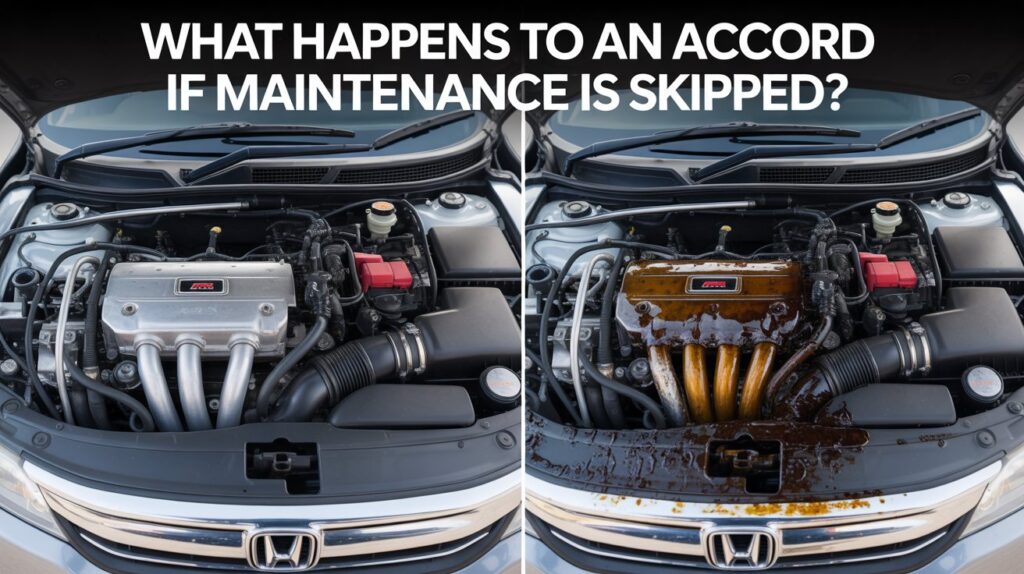
I have seen perfectly running Accords ruined in under 20,000 miles just because oil and transmission fluid were ignored. Old oil, clogged filters, and ignored fluid services cause heat, friction, and early engine wear. Many owners delay transmission fluid changes because the car still drives fine. By the time slipping appears, internal wear is already advanced. Early fluid service at 30,000 to 40,000 miles extends transmission life far more than waiting for symptoms to appear.
Small issues snowball into bigger problems, such as transmission slipping or overheating. A Honda Accord fails early when oil changes, fluid service, and small repairs are ignored. Strength alone does not prevent mechanical wear.
What Are the Signs Your High-Mileage Accord Is Still Healthy?
A high-mileage Accord is doing well if the engine runs smoothly, the transmission shifts cleanly, and there are no warning lights. Stable temperature and quiet operation show the car is ageing gracefully.
A healthy high-mileage Accord shows it in small ways. The idle stays calm at stoplights. Cold starts do not spike RPMs. The transmission shifts without hesitation when merging. Under the hood, you would not smell burnt oil or coolant. Inside, the cabin stays quiet, no clunks over bumps, no groaning from the AC compressor.
One reliable test is a cold start observation. Start the car after it has sat overnight and watch for blue or white smoke from the exhaust. Blue smoke indicates oil burning, and white smoke can signal coolant entering the combustion chamber. Neither is a death sentence, but both require immediate attention before mileage climbs higher.
How Does Driving Style Affect the Honda Accord’s Lifespan?
Driving style shows up in repair bills. Accords driven hard from cold starts wear faster, especially in the transmission and timing components. Owners who accelerate smoothly and let the engine warm up see fewer failures over time. The difference is not small; aggressive driving can cut total lifespan by years, not miles.
Are There Real Owners Who Reached High Mileage in Their Accords?
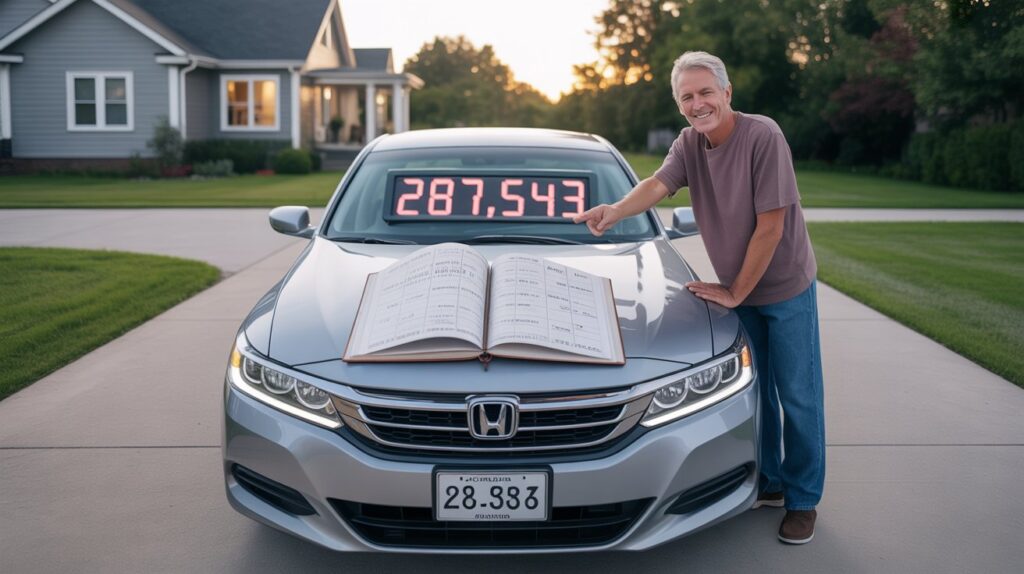
Yes, and the pattern is always the same. High-mileage Accord owners do not chase shortcuts. A Florida owner’s 2007 Accord 2.4L crossed 327,000 miles on the original engine and transmission with oil changes every 5,000 miles and coolant every two years. A California rideshare driver pushed a 2014 Accord past 350,000 miles by servicing fluids early and avoiding aggressive acceleration. No engine mods. No miracle products. Just consistency.
When Does High Mileage Become a Risk for an Accord?
High mileage becomes risky when parts wear faster than you can replace them. After 180,000 to 220,000 miles, parts start ageing more quickly, such as bushings, mounts, sensors, and the transmission. High mileage does not kill an Accord, but delayed repairs will.
The most common failure points after 200,000 miles are the transmission, rear main seal, and suspension bushings. Catching these early through regular inspections costs a fraction of what emergency repairs demand. Owners who budget $500 to $800 per year for preventive maintenance after 150,000 miles rarely face the large unexpected bills that force others to sell.
What Is the True Cost of Owning a Long-Term Honda Accord?
Long-term Accord ownership remains affordable because failures are predictable and parts are readily available. Unlike European sedans, most repairs are routine, not surprises. When maintenance is handled early, yearly costs stay under control even beyond 200,000 miles.
Typical Yearly Costs:
| Item | Estimated Cost |
| Routine maintenance | $250 to $450 |
| Tires and brakes | $300 to $600 |
| Occasional repairs | $150 to $500 |
| Total yearly cost | $700 to $1,500 |
Honda parts are widely available, which helps keep repair costs reasonable compared with many vehicles in the midsize sedan segment.
Does Age Hurt an Accord More Than High Miles?
Yes. Age can damage an Accord more than mileage because rubber parts, seals, hoses, and electronics break down even when the car is not used much. A newer Accord with higher miles often drives better than an older one with low miles, provided the newer car has been properly maintained.
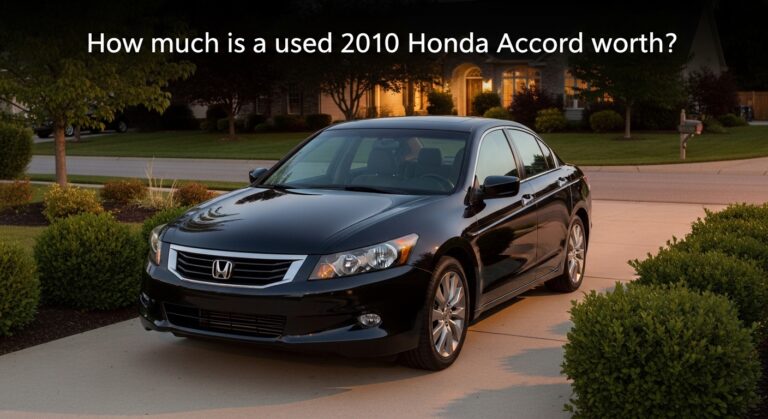
A 2010 Accord with 90,000 miles that sat in a garage for years can have cracked coolant hoses, dried-out brake fluid, degraded belts, and brittle suspension bushings, all without showing a single warning light. Age-related deterioration is invisible until something fails, which is why a pre-purchase inspection matters even on low-mileage older Accords.
Which Honda Accord Years Are Best for Low Maintenance?
Some Accord years are known for fewer problems and strong long-term reliability. These models use proven engines and simple systems that keep upkeep low.
Best low-maintenance Accord years:
- 2003 to 2007 2.4L
- 2008 to 2012 2.4L
- 2013 to 2017 2.4L
- 2018 to 2022 1.5T
- 2018-present 2.0T
Also Read: What Years To Avoid Honda Accord?
Timing Belt vs Timing Chain: Which Lasts Longer?
A timing chain usually lasts longer because it runs inside the engine and dissipates heat more effectively. Belts work well but wear out and need scheduled replacement. For fewer big repairs, the chain is the better long-term choice.
Timing Belt vs Timing Chain in Honda Accord:
| Feature | Timing Belt | Timing Chain |
| Life span | 90k to 105k miles | Often lasts engine life |
| Maintenance | Needs replacement | No routine replacement |
| Failure risk | High if ignored | Low with good oil care |
| Cost impact | Expensive job | Lower long-term cost |
Should You Buy a High-Mileage Accord?
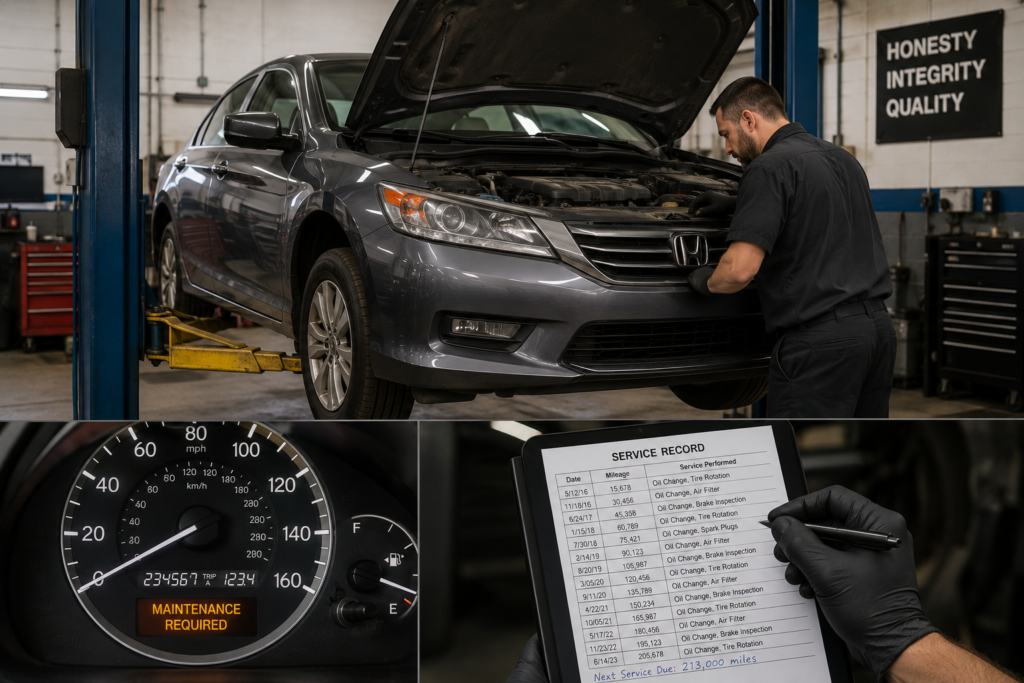
A high-mileage Accord is only a good deal when paperwork proves it was cared for; no records usually mean hidden damage. These cars stay dependable with proper care. Always check maintenance history, inspect the timing system, and listen for unusual noises before buying.
When evaluating a high-mileage Accord, ask for oil change receipts, transmission service records, and timing belt documentation if it is a V6. A car with 180,000 miles and full records is a safer buy than one with 120,000 miles and no paperwork. Have an independent mechanic inspect the engine mounts, transmission, and cooling system before committing. Repair costs on a well-documented Accord stay predictable, and predictability is the real value.
Should You Buy an Accord With Over 200,000 Miles?
A Honda Accord with more than 200,000 miles can still be a good purchase if maintenance records are available and the vehicle passes a pre-purchase inspection. Engine condition, transmission performance, and service history matter far more than the odometer reading alone. Many well-maintained Accords continue running reliably beyond 250,000 miles.
FAQ’s:
Can a Honda Accord last over 300,000 miles?
Yes, many Accords cross 300,000 miles with consistent oil changes and basic maintenance.
Is a timing chain better for long-term reliability in Accords?
Yes, a chain often lasts the full life of the engine and reduces long-term repair costs.
What mileage is considered high risk for a Honda Accord?
Risk increases after 180,000 to 220,000 miles as engine and suspension wear becomes common.
Do V6 Accord engines cost more to maintain over the long term?
Yes, because the timing belt service is required, and skipping it can cause expensive damage.
Should you buy an Accord with no service history?
No, missing records make the engine’s condition uncertain and increase the chance of hidden issues.
Conclusion:
A Honda Accord does not reach 300,000 miles by accident. It gets there because the owner treats maintenance as non-negotiable. Oil changes, fluids, and small repairs decide the outcome, not luck, not driving myths. Do the basics consistently, and an Accord will outlast most cars in its class without drama.
The Honda Accord rewards owners who treat it seriously. Parts are affordable, mechanics know the platform well, and the engineering is proven across decades. Whether you are planning to keep your current Accord past 200,000 miles or buying a used one with high mileage, the approach is the same: verify the maintenance history, address small issues immediately, and never skip fluid services. Accords that reach 300,000 miles are not special cars. They are ordinary cars with disciplined owners.