How Much Does It Cost To Wrap A Honda Accord? Compare Wrap Prices!
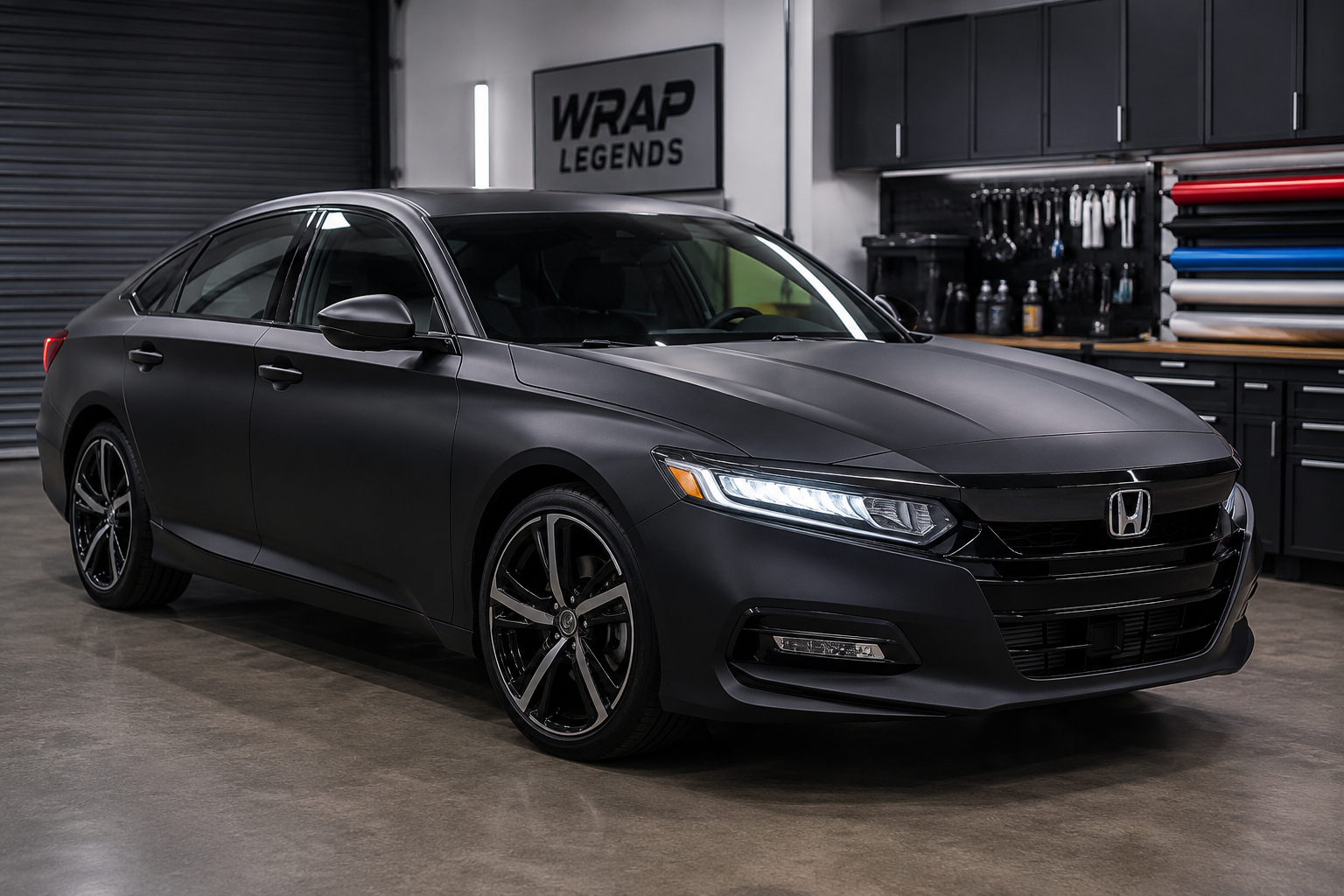
A Honda Accord wrap usually costs $1,800 to $3,500. Prices change based on vinyl quality, full or partial coverage, and installer experience. The price can jump quickly because wraps are not just about material. The installer first evaluates paint health, panel shape, and how much trimming the car needs.
In this guide, we will break down real costs, what affects the price, and whether wrapping your Honda Accord is worth it for your budget and long-term plans.
What Is a Car Wrap and Why Should I Choose It?
Car wraps exist for one simple reason. You get a new look without touching factory paint. That matters more than people think, especially when resale value or lease returns come into play.
Why choose a car wrap?
- Protects your paint: Shields from sun, scratches, and minor damage.
- Affordable style change: Cheaper than repainting the whole car.
- Removable anytime: You can switch colors or designs later.
- More design options: Matte, glossy, chrome, carbon fiber, or custom graphics.
How Is Paint Different from Vinyl Wrap?
Paint is permanent and sticks to your car’s metal surface, giving a long-lasting finish. Vinyl wrap is a thin, removable layer that goes over the paint.
- Cost: Paint is usually more expensive; wraps are cheaper.
- Durability: Paint lasts longer; vinyl wraps last 5 to 7 years, depending on quality.
- Customization: Wraps let you change color, texture, or style anytime; paint is permanent.
- Protection: Wraps protect the original paint from scratches and sun damage.
Paint changes your car permanently, while a vinyl wrap is flexible, removable, and protects the factory paint.
Why Do Accord Owners Wrap Their Cars?
- Protect paint from the sun and scratches
- Change the look without repainting
- Keep resale value strong
- Enjoy more colors and textures
Most Accord owners wrap their cars because it offers a level of flexibility that paint simply cannot. Whether the goal is protecting a newer model’s resale value or refreshing the look of an older one, a wrap delivers results without the permanence or high cost of a full repaint.
How Much Does It Cost to Wrap a Honda Accord?
Most wraps cost $1,800 to $3,500, depending on vinyl type, installer skill, and paint condition.
Premium colors or hard installs increase the price because they take more time and precision.
What Is the Typical Price Range?
- Full wrap: $1,800 to $3,500
- Premium/chrome/color-shift: $4,000 to $6,000
- Partial wraps (hood/roof/accents): $200 to $800
Why Do Wrap Prices Vary?
Most shops price wraps by time, not just vinyl. Two Honda Accords can cost very different amounts if one has faded paint, tight bumper gaps, or aftermarket parts. That extra time always shows up in the final bill.
How Much Does Each Wrap Type Cost?
Different vinyl textures change the price:
- Gloss: $1,800 to $3,000
- Matte & Satin: $2,000 to $3,200
- Carbon & Texture: $2,300 to $3,800
- Chrome & Color-shift: $4,000 to $6,000
Does Vinyl Material Quality Affect Cost?
Installers rarely recommend cheap vinyl, even if you ask for it. Not because they want more money, but because budget films stretch poorly and fail early. When a wrap peels, customers blame the installer, not the vinyl brand.
Premium vinyl films stretch more cleanly around curves, resist UV fading for years longer, and hold edges without lifting, which is why professional installers consistently recommend them over budget alternatives. Cheap vinyl may peel early and sometimes damage weak paint.
What Is the Cost Difference Between Full and Partial Wraps?
A full wrap covers your entire Honda Accord with vinyl. Because it uses more material and takes more labor, it costs $1,800 to $3,500 for regular vinyl and $4,000 to $6,000 for premium or specialty finishes.
A partial wrap only covers certain areas, like the hood, roof, or side panels. Since it uses less vinyl and takes less time to install, it costs much less, usually $200 to $800, depending on the area and complexity.
- Full wrap: more vinyl, more labor, higher cost
- Partial wrap: less vinyl, quicker, lower cost
Coverage is what really decides the price. More panels mean more cuts, more heat work, and more chances to mess up. That risk is exactly what you are paying for in a full wrap.
| Feature | Full Wrap | Partial Wrap |
| Coverage | Entire car | Specific areas (hood, roof, doors, accents) |
| Material Used | More vinyl | Less vinyl |
| Labor Time | 1 to 3 days | 3 to 6 hours |
| Cost Range | $1,800 to $3,500 (regular), $4,000 to $6,000 (premium) | $200 to $800 |
| Purpose | Complete transformation & maximum protection | Small style change or accent |
| Durability | Lasts 5 to 7 years with proper care | Same vinyl lifespan, but only for covered areas |
| Ideal For | Owners wanting full color/finish change | Owners on a budget or just updating some parts |
How Much Does a Full Body Wrap Cost?
- Full wrap: $1,800 to $3,500
Full wraps take longer because every panel, door, mirror, pillars must be removed or loosened to avoid visible seams. Labor hours increase, and so does the risk of mistakes, which is why experienced installers charge more.
- Premium finishes: $4,000 to $6,000
Extra paint prep can add $150 to $400. Full wraps are priced higher, not just because of the material but because the installer must work around every curve, seam, and gap on the car. Doors, mirrors, and pillars each require separate cuts and careful tucking to avoid visible edges or lifting over time.
How Much Does a Partial Wrap Cost?
- Roof/hood: $250 to $500
- Accent strips/panels: $150 to $300
Partial wraps are a practical choice when the budget is limited or when only specific panels need refreshing. A roof wrap, for example, can dramatically change the car’s appearance at a fraction of the full wrap cost.
Does Model Year Affect Wrap Cost?
Yes, the model year affects wrap cost. Older Honda Accords may need more paint prep if the paint is faded or chipped, which increases labor and material costs. Newer models often have sharper edges and bigger panels, making installation slightly harder and more expensive. So, older cars may cost a bit less in labor but may need prep work, while newer cars usually cost more for the wrap due to body design complexity.
- Older models: Less labor, more paint prep, cost may be slightly lower or extra if paint needs fixing
- Newer models: More precise wrapping needed, cost slightly higher.
Model year also affects other maintenance differences in the Accord, including whether it uses a timing belt or timing chain.
How Much Are Labor Costs for Honda Accord Wraps?
Labor makes up most of the wrap cost on a Honda Accord. A full wrap usually takes one to three days, depending on body shape and vinyl type. Installers charge more for chrome or textured films because mistakes are costly. Shops that rush labor often leave seams, bubbles, or lifted edges.
Factors that affect the price:
- Wrap type: Chrome or textured vinyl takes more skill, costing $300 to $600 extra.
- Installer experience: Skilled installers charge more, but the wrap lasts longer and looks better.
- Prep work: Removing badges, cleaning, or fixing minor paint flaws can add $100 to $400.
Labor pricing reflects how carefully the job is done. Shops that charge more typically spend extra time removing badges, tucking vinyl edges behind panels, and fixing imperfections before they become visible. That attention to detail is what separates a wrap that lasts five years from one that starts peeling within months.
Is DIY Honda Accord Wrapping Cheaper?
DIY wrapping looks cheaper on paper, but mistakes cost fast. Most first-timers ruin at least one panel and still end up paying a shop to fix it. At that point, the wrap costs more than going professional from the start. Beginners often waste material and still end up hiring a shop later.
Typical DIY costs:
- Vinyl: $200 to $500
- Tools: $40 to $80
- Extra vinyl for mistakes: $50 to $150
Risk: bubbles, creases, paint damage, peeling edges. If you do decide to attempt a DIY wrap, start with a small panel like the roof or hood rather than a full car. This gives you a feel for how vinyl stretches and reacts to heat. Most beginners underestimate how long proper surface cleaning takes, at least 30 to 45 minutes per panel for good adhesion. Any dust or grease trapped under the film will create bubbles that cannot be fixed without removing and reapplying the vinyl.
How Long Does a Honda Accord Wrap Last?
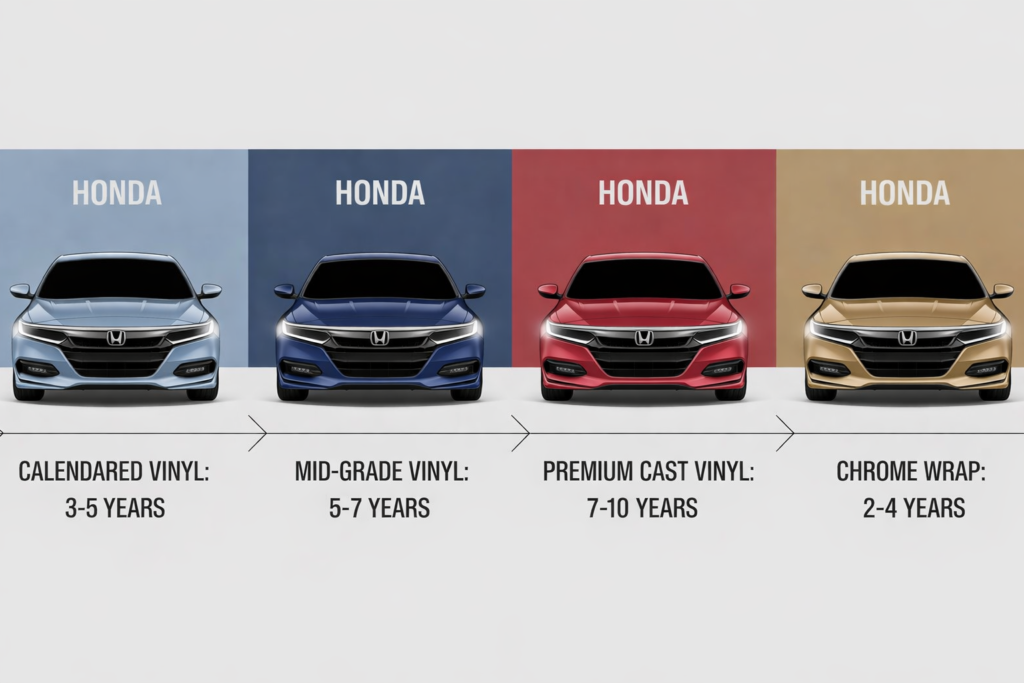
A Honda Accord wrap lasts as long as the vinyl quality and care allow. Premium wraps last longer because they resist sun damage and edge lifting. Daily sun exposure, outdoor parking, and poor washing habits shorten lifespan faster than most owners expect.
Lifespan by material:
- Premium cast: 6 to 7 years
- Mid-grade: 4 to 5 years
- Calendared: 2 to 3 years
- Chrome: 1 to 2 years
Parking habits matter more than people admit. A Honda Accord parked outside in direct sun will age a wrap twice as fast as the same car kept in a garage, even with the same vinyl.
How Should I Maintain a Wrap?
Maintaining a Honda Accord wrap properly extends its life by two or more years. Always hand-wash using a mild car shampoo and a soft microfiber cloth. Avoid automatic car washes because the brushes and high-pressure water can lift vinyl edges over time. If bird droppings, tree sap, or road tar land on the wrap, clean them within 24 hours; leaving them longer causes staining that cannot be removed. Parking in a garage or shaded area significantly slows down UV fading, especially for matte and chrome finishes. This keeps color fresh and prevents peeling.
Can Wrapping Affect Resale Value or Paint?
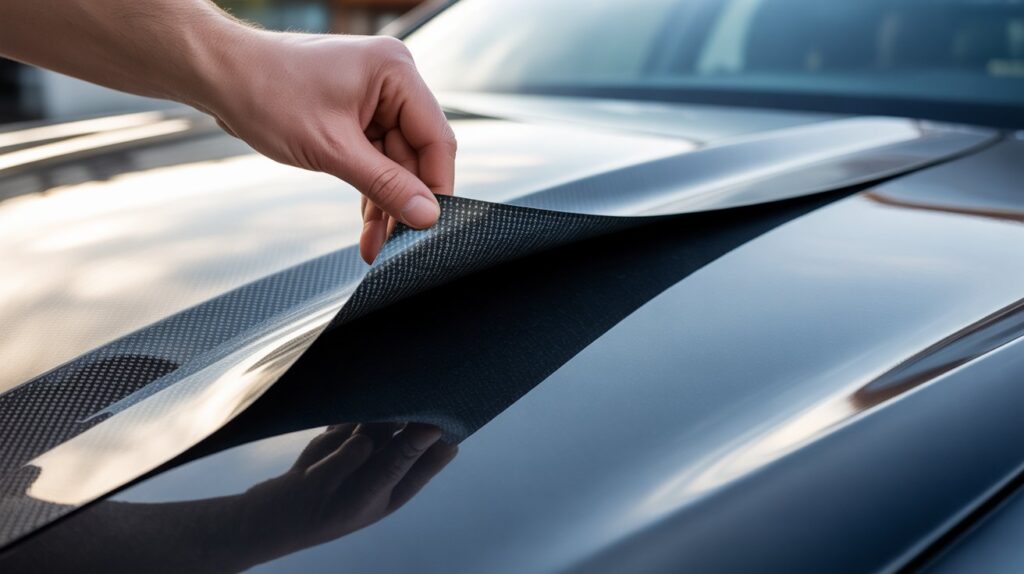
Yes, a high-quality car wrap does not harm your paint and can actually protect it from the sun, scratches, and fading. This helps keep the resale value strong because buyers prefer original, undamaged paint underneath.
Problems only happen if:
- Cheap vinyl is used
- The installation is poor
- The wrap is removed carelessly
A good wrap protects your paint and may help the resale value. A bad wrap can lower it.
Dealers often prefer cars with original paint, and a quality wrap protects that. Many used-car buyers even check for factory paint readings, so keeping the original finish untouched can help the car hold value.
What Are the Pros and Cons of Wrapping?
Pros:
Protects Paint: Vinyl wrap shields your car’s original paint from scratches, sun damage, and fading.
Cheaper than Paint: Full wraps cost less than a complete repaint.
Easy to Change Look: You can change colors or finishes anytime without permanent changes.
Removable: If you want a new style or sell the car, wraps can be taken off safely.
More Design Options: Wraps come in matte, gloss, chrome, carbon fiber, or custom designs.
Cons:
Needs Proper Care: Wrong washing or harsh chemicals can damage the wrap.
Peeling or Bubbling: Cheap wraps or poor installation can cause edges to peel or air bubbles.
Not Permanent: Most wraps last 5 to 7 years, then need replacement.
Expensive for Complex Cars: Cars with sharp curves or trims cost more to wrap.
Special Finishes Fade Faster: Chrome or color-shift films can scratch or fade more quickly than normal vinyl.
What Common Mistakes Increase Wrap Cost?
Most wrap cost problems come from poor decisions early on. Cheap vinyl saves money upfront, but often fails within months. Skipping surface prep traps dirt under the film. Inexperienced installers may stretch vinyl too far, causing early peeling. These mistakes usually lead to paying twice.
Are There Legal Rules for Honda Wraps?
Yes. Honda wraps must follow local traffic and vehicle regulations. Key rules include:
- Reflective or shiny wraps: Some areas limit chrome, mirrored, or reflective finishes that can blind other drivers.
- Color restrictions: Certain colors (like bright red or blue for emergency vehicles) may be prohibited.
- Advertising/logos: Commercial wraps must comply with size, placement, and visibility laws.
- Tinted wraps on windows: Usually limited to avoid blocking driver visibility.
Always check your city or state vehicle laws before wrapping your Honda. This prevents fines or problems during inspections.
You can wrap your Honda, but make sure the color, reflectiveness, and advertising follow local rules. Check your state or city guidelines first.
Is Wrapping a Honda Accord Worth the Money?
Wrapping a Honda Accord is worth it if you choose quality over shortcuts. A good wrap protects paint and gives flexibility without permanent changes. Cheap film or rushed installs usually fail early and cost more to fix. For daily driving, premium vinyl and skilled labor matter more than flashy finishes.
Owners who plan to keep their Accord for several more years benefit the most from a full wrap, since the paint protection pays off over time. Those who drive shorter distances or plan to sell within two years may find a partial wrap or hood wrap to be the smarter investment.
FAQ’s:
Does wrapping a Honda Accord protect the original paint?
Yes, a quality vinyl wrap shields the factory paint from UV, scratches, and fading.
Can premium vinyl really last longer than cheap wrap film?
Yes, high-grade films from 3M/Avery last longer and resist peeling far better.
How long does a full Honda Accord wrap normally last?
A professional wrap usually stays clean and durable for about 5 to 7 years with proper care.
Will a chrome wrap stay flawless in daily driving?
No, chrome wraps fade and scratch faster, making them the least durable finish for daily use.
Does the model year of the Accord change the wrap cost?
Newer models with sharper body lines often cost slightly more because they take longer to wrap.
Conclusion:
Wrapping a Honda Accord makes financial sense when the right decisions are made from the start. Choosing premium vinyl from a trusted brand, hiring an experienced installer, and maintaining the wrap properly will protect your factory paint for years. A well-done wrap also gives you flexibility, whether you want a bold color change, a subtle matte finish, or just paint protection without commitment. Rushing the process or cutting corners on vinyl quality almost always leads to early peeling, fading, or damage that ends up costing more than a professional job would have from the beginning. Treat the wrap as an investment in your car’s appearance and resale value, and it will deliver results that last.