Do Honda Accords Come In AWD? (Explained Clearly)
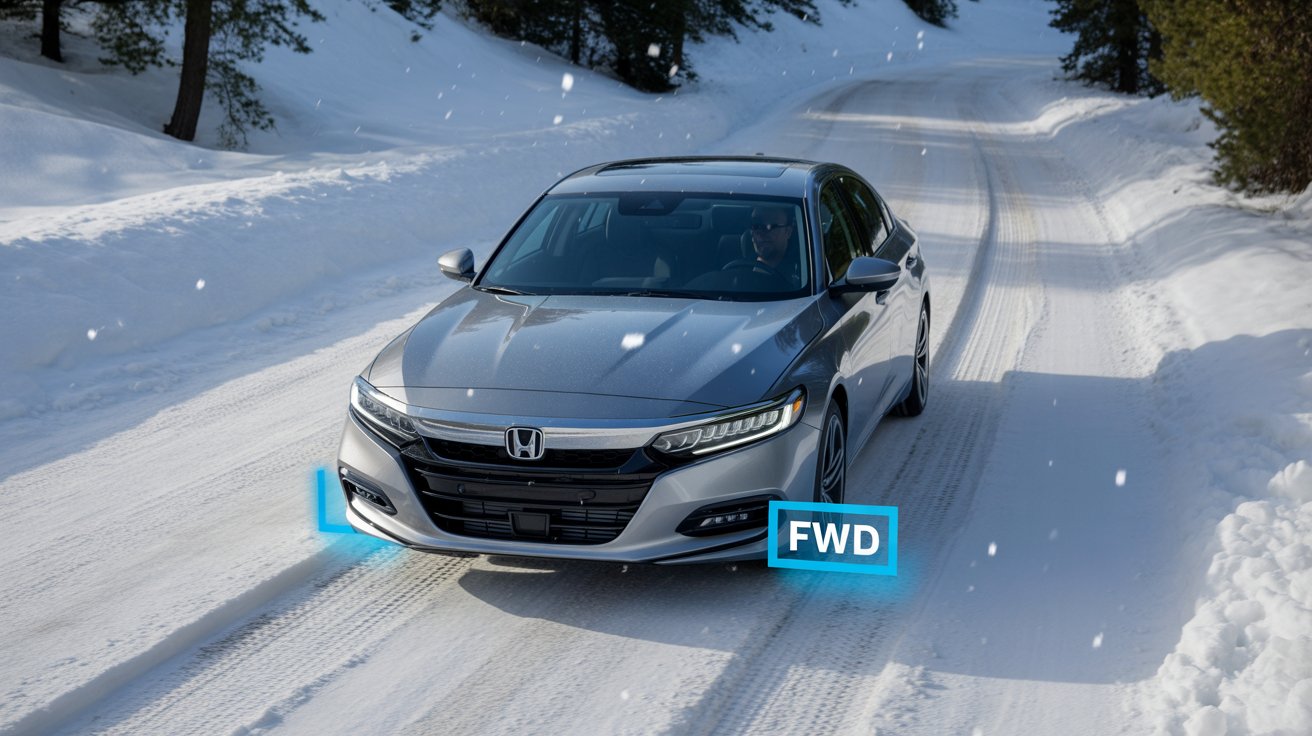
No, the Honda Accord does not come with AWD. Every Accord sedan sold in the United States is front-wheel drive only, and Honda has never offered AWD as an option on the standard Accord.
This guide explains what drivetrain the Accord actually uses, why Honda made that choice, and what it means for driving in snow or bad weather.
What Is AWD and How Does It Work in Honda Cars?
AWD (All-Wheel Drive) means power can go to all four wheels when needed. Honda designs AWD for grip in real conditions, not for racing launches or serious off-road driving. Most Honda AWD systems operate in front-wheel drive and send power to the rear wheels only when grip is lost. That keeps fuel use lower and driving smoother.
Honda’s AWD systems are designed around the assumption that most drivers need occasional traction help, not constant four-wheel power delivery. That philosophy keeps the system lightweight, fuel-efficient, and low-maintenance compared to full-time AWD systems used by brands like Subaru.
What Is Honda Real Time AWD?
Honda Real Time AWD is an on-demand AWD system. The vehicle drives using the front wheels most of the time. When the front tyres lose traction, power is automatically sent to the rear wheels.
Here is what actually matters in daily driving:
- Normal driving: front-wheel drive
- Slippery roads: rear wheels engage
- Fully automatic, no buttons or modes
It is built for rain, snow, and light winter driving, not off-roading.
What is Honda i-VTM4 AWD?
Honda i-VTM4 AWD is a more advanced AWD system used on larger Honda vehicles. It can send power not only front-to-back but also between the rear wheels.
Why is it different:
- Better grip while turning
- Stronger performance on hills
- Works well with heavy loads and towing
This is Honda’s most capable AWD system.
How Does Honda AWD Actually Work?
Honda AWD works only when needed. Sensors monitor wheel speed, steering angle, and throttle input. When traction drops, power is redirected automatically.
How it behaves:
- Dry roads: mostly FWD
- Snow or rain: AWD activates
- Grip restored: system reduces AWD use
That approach saves fuel and keeps extra drivetrain parts from wearing out during normal driving.
Honda AWD Systems Compared:
| Feature | Real Time AWD | i-VTM4 AWD |
| Default drive | Front-wheel | Front-wheel |
| Rear power use | When a slip occurs | Predictive + slip |
| Torque vectoring | No | Yes |
| Best for | Daily driving, snow | Snow, hills, towing |
| Used on | CR-V, HR-V | Pilot, Passport, Ridgeline |
Which Honda Models Currently Offer AWD?
Honda offers AWD mainly on SUVs and its pickup truck. Sedans do not get AWD. In most cases, AWD is optional, not standard.
Honda models with AWD:
- HR-V
- CR-V
- Pilot
- Passport
- Ridgeline
If it is not an SUV or truck, Honda does not offer AWD.
Does the Honda CR-V Come With AWD?
Yes. AWD is optional on most Honda CR-V trims.
Before you assume AWD helps:
- Standard front-wheel drive
- AWD activates when traction is lost
- Uses Honda Real Time AWD
It is meant for rain, snow, and winter driving, not off-road use.
Is AWD Available on the Honda HR-V?
Yes, but only on select trims.
Important points:
- Uses Real Time AWD
- Helps during slippery starts and turns
- Not designed for deep snow or mud
AWD only makes sense if you regularly drive in bad weather.
Does the Honda Pilot Offer AWD?
Yes. AWD is available on the Honda Pilot, and higher trims use i-VTM4 AWD.
The reality most people ignore:
- Better traction with passengers and cargo
- Stronger control on hills
- Suitable for towing and snow
This is one of Honda’s best AWD setups.
Is the Honda Passport Available With AWD?
Yes. AWD is widely available on the Honda Passport.
What you get:
- Uses i-VTM4 AWD
- Better grip on snow and dirt roads
- More capable than the CR-V or HR-V
It is built for control, not luxury or extreme off-roading.
Does the Honda Ridgeline Have AWD?
Yes. The Honda Ridgeline comes standard with i-VTM4 AWD.
Why AWD is standard:
- Pickup design
- Better traction when loaded
- Improved stability on wet or uneven roads
There is no FWD-only Ridgeline.
Honda Models With AWD (Clear Comparison Table):
| Honda Model | AWD Availability | AWD System Used |
| HR-V | Optional | Real Time AWD |
| CR-V | Optional | Real Time AWD |
| Pilot | Optional / Trim-based | i-VTM4 AWD |
| Passport | Optional / Common | i-VTM4 AWD |
| Ridgeline | Standard | i-VTM4 AWD |
If AWD is non-negotiable, Honda makes the choice easy: you are buying an SUV or a pickup, not a sedan.
Does the Honda Accord or Civic Have AWD?
No, neither the Honda Accord nor the Honda Civic comes with AWD in current U.S. models. Both are built only with front-wheel drive.
Some buyers assume higher trims include AWD as a hidden option. A full look at the Accord lineup from base LX to Touring confirms that AWD has never appeared on any trim at any price point.
Is the Honda Civic Available With AWD?
No, the Civic is also strictly front-wheel drive, including all trims and performance versions.
Important points:
- AWD was never offered in the U.S.
- Even sporty versions (Si, Type-R) remain FWD
- Good tyres matter more than the drivetrain for grip
If AWD is a must, the Civic would not deliver it.
Why doesn’t Honda offer AWD on the Accord and Civic?
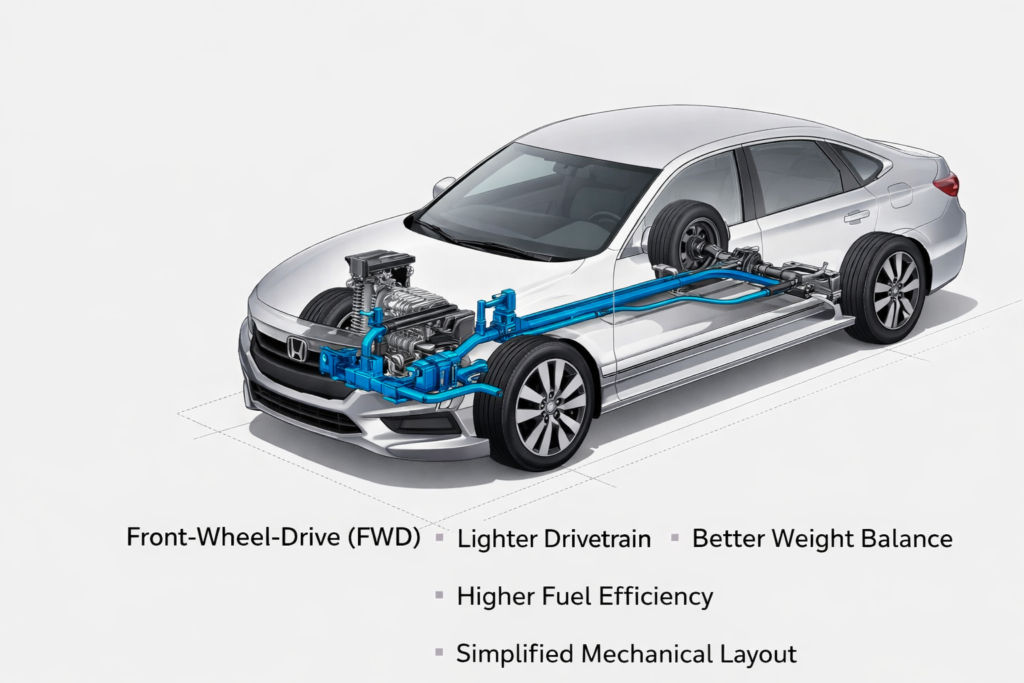
Honda engineers deliberately chose tyre grip, chassis balance, and stability control over AWD in sedans because the trade-offs outweighed any real-world benefit for typical sedan drivers.
Honda does not offer AWD in the Accord or Civic because it would increase costs, reduce fuel economy, and provide little benefit for most sedan drivers. The company focuses AWD on SUVs and trucks where winter traction matters more.
Is AWD Too Costly for Honda Sedans?
Yes. AWD adds hardware and manufacturing cost. That makes the car more expensive to buy and maintain, but most Accord and Civic buyers prioritise price, fuel economy, and simplicity over AWD.
The hardware alone, transfer case, rear driveshaft, rear differential, and additional sensors add several hundred dollars to manufacturing cost. That translates to a higher sticker price for the buyer and higher repair costs when components eventually wear. For a sedan segment where buyers consistently rank fuel economy and purchase price above drivetrain options, Honda concluded the trade-off was not worth making.
Does AWD Hurt Fuel Economy?
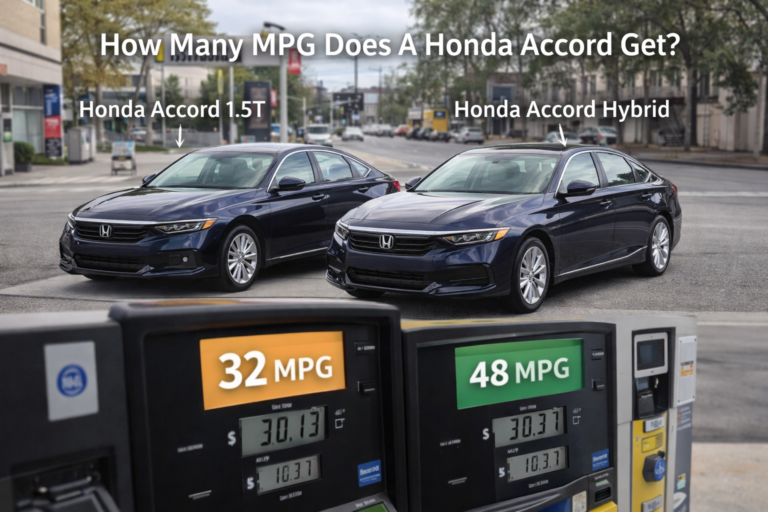
Yes. AWD adds weight and drivetrain drag, which lowers miles per gallon. In everyday commuting, that means spending more money on fuel with little real benefit unless you live in very snowy or slippery conditions.
Real-world testing consistently shows a 1 to 3 MPG penalty for AWD versions compared to FWD equivalents in the same model. Over five years of normal driving, that difference can add up to several hundred dollars in extra fuel costs. For Accord buyers who already get strong highway fuel economy, adding AWD would quietly erase part of that advantage every time they fill the tank.
Is Honda Protecting Its SUV Lineup?
Yes. AWD is a major selling point for SUVs like the CR-V, Pilot, and Passport. Offering AWD on sedans could reduce SUV sales. Honda knows most sedan buyers care more about fuel economy and price than AWD, so it keeps that feature in SUVs where it actually sells.
The CR-V and Pilot combined sell far more units annually than the Accord in recent years, and AWD is one of their strongest selling points. Adding AWD to the Accord would create internal competition that Honda has deliberately avoided. The sedan and SUV lineups serve different buyer priorities, and Honda has kept those priorities distinct to protect sales across both categories.
Why Honda Keeps Sedans FWD (Quick Table):
| Reason | Impact |
| Added cost | Higher prices, fewer buyers |
| Lower MPG | Hurts daily drivers |
| Extra weight | Reduces handling balance |
| SUV sales strategy | Protects CR-V and Pilot |
Has Honda Ever Made an AWD Accord or Sedan?
Yes, but it was limited and not a traditional sedan. Honda offered AWD only on some less-common models and in some markets, not on the standard Accord sedan in the U.S.
Before buying an older Accord, it is worth knowing which model years have documented reliability issues that affect long-term ownership.
What Was the Accord Crosstour AWD?
The Accord Crosstour AWD was a hatchback-style crossover based on the Accord platform. It was available with AWD on V6 trims from about 2010 to 2015, but sales were low, and Honda discontinued it. It was not a regular sedan, and most buyers did not choose AWD over the cost and fuel penalty.
Are AWD Honda Sedans Sold Outside the U.S.?
Yes, but they are rare and usually in specific markets like Japan or Europe. Some older or regional Honda sedans offered AWD or all-wheel-drive variants there, but they were not common and were often priced higher. These models were never mainstream in the U.S. sedan lineup.
Honda AWD Sedan Attempts (History Table):
| Model | Market | AWD Offered | Outcome |
| Accord Crosstour | U.S. | Yes | Discontinued |
| Honda Inspire | Japan | Limited | Low demand |
| Acura TL / RL | U.S. | Yes (SH-AWD) | Niche sales |
AWD vs FWD: Which Is Better for Daily Driving?
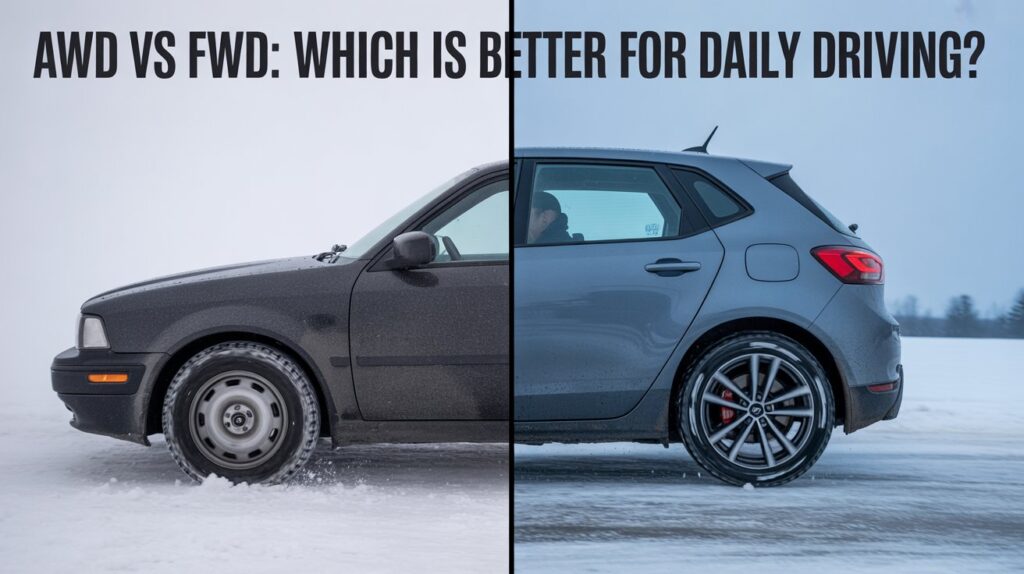
For most drivers, front-wheel drive is the better daily setup. It costs less, uses less fuel, and handles normal road conditions just fine. AWD only makes sense if you regularly drive in snow, hills, or poor road conditions.
Honda’s decision to skip AWD is one reason Accords regularly cross 250,000+ miles.
Is AWD Better Than FWD in Snow?
Yes, but only for getting moving. AWD helps with starts and hill climbs on slippery roads. It does not improve braking or stopping distance.
In real-world winter driving, mechanics and driving instructors agree that tyre choice and braking control matter more than drivetrain layout for everyday safety.
What most drivers miss:
- AWD improves traction, not braking
- Good winter tyres matter more than AWD
- FWD on winter tyres often outperforms AWD on all-seasons
Buyers who assume AWD improves braking often overestimate winter safety, and that mistake causes more accidents than drivetrain choice ever will.
Does AWD Improve Safety?
No, not directly. AWD does not shorten braking distance or prevent loss of control at speed.
What actually improves safety:
- Quality tires
- Stability control systems
- Careful driving in bad weather
Many crashes happen because drivers overtrust AWD.
Do Tires Matter More Than AWD?
Yes, by a wide margin. Tires are the only part of the car touching the road.
Hard truth:
- AWD + bad tyres = poor grip
- FWD + good tyres = predictable control
- Winter tyres change everything
If budget forces a choice, buy better tyres first.
When Is AWD Not Worth It?
AWD is not worth paying for if you rarely face poor traction.
Skip AWD if:
- You live in a warm or flat area
- You mostly drive on highways or city roads
- Fuel cost and maintenance matter to you
For everyday driving, FWD usually makes more sense. Most American drivers live in climates where roads are wet or dry the vast majority of the year. Snow days are a small fraction of annual driving for the average commuter. Paying more upfront, spending more on fuel, and accepting higher maintenance costs for a system that activates a few days per year is a trade-off that rarely makes financial sense outside of genuinely harsh winter regions.
What Does AWD Cost Over Time?
AWD costs more than just the purchase price. Ownership adds up.
Long-term costs:
- Lower fuel economy
- More drivetrain parts
- Higher repair bills
Over the years, AWD can cost thousands more. A buyer who chooses AWD over FWD on the same model typically pays $1,500 to $3,000 more upfront. Add the fuel penalty over five years and occasional drivetrain servicing, and the total cost difference can exceed $5,000 compared to owning the FWD version. For most drivers who rarely encounter serious traction problems, that money would be better spent on quality tires and routine maintenance.
AWD vs FWD for Daily Use (Clear Table)
| Factor | FWD | AWD |
| Fuel economy | Better | Lower |
| Maintenance cost | Lower | Higher |
| Snow traction | Decent | Better |
| Braking | Same | Same |
| Best for | Daily driving | Harsh weather |
Honda AWD vs Competitors: How Does It Compare?
Honda’s AWD systems are built for efficiency and reliability, not constant power delivery. Unlike some rivals, Honda uses AWD only when traction is needed, helping save fuel and reduce wear during normal driving.
Honda AWD vs Subaru Symmetrical AWD:
Subaru uses full-time AWD, while Honda uses on-demand AWD.
Real-world difference:
- Subaru has better grip in deep snow and bad weather
- Honda offers better fuel economy and a lighter feel
- Subaru AWD is always active
- Honda AWD steps in only when needed
Subaru wins in harsh winters. Honda wins for daily driving.
Toyota Camry AWD vs Honda Accord FWD:
Toyota offers AWD on some Camry trims. Honda keeps the Accord FWD only.
What buyers should know:
- Camry AWD costs more upfront
- Fuel economy drops with AWD
- AWD is rarely used in normal driving
Honda chose efficiency over offering AWD that most drivers would not fully use.
Honda builds AWD for everyday traction, not bragging rights in blizzards or mountain passes. It is built for people who drive every day, not for snowstorms every week.
Should You Buy an AWD Honda or Look Elsewhere?
An AWD Honda makes sense if you regularly drive in snow, hills, or slippery roads. If your weather is mild and roads are clear most of the year, AWD is often unnecessary and adds cost.
What Is the Best Honda for Winter Driving?
If winter traction is your priority, Honda SUVs with i-VTM4 AWD perform noticeably better than smaller AWD systems.
Best Honda AWD for winter:
- Honda Pilot AWD: strongest traction, good for hills
- Honda Passport AWD: capable on snow and dirt roads
- Honda Ridgeline AWD: standard AWD, stable in winter conditions
These handle snow and slippery roads more confidently than HR-V or CR-V AWD.
What Are the Best AWD Alternatives to the Accord?
If you want AWD in a sedan, Honda is not an option. The Accord has never offered AWD in its standard sedan form.
These are the closest AWD sedan alternatives most buyers cross-shop:
- Toyota Camry AWD: comfortable and reliable, available with AWD on select trims
- Subaru Legacy AWD: standard AWD with the strongest winter traction
- Mazda3 AWD: smaller, sportier, and available with optional AWD
All three provide AWD while keeping sedan comfort, but they cost more and return lower fuel economy than a front-wheel-drive Accord.
Among them, the Legacy is the only true winter-first sedan. The Camry AWD is a compromise. The Mazda3 AWD is built for drivers, not snowstorms.
Will Honda Add AWD to the Accord in the Future?
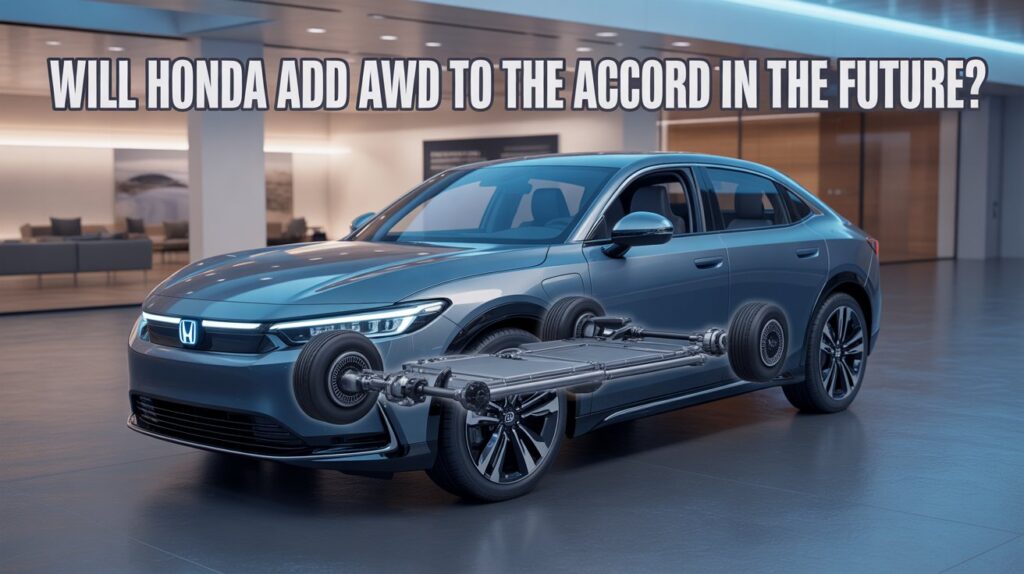
It is very unlikely Honda will add traditional AWD to the Accord or Civic. Demand for AWD sedans is low, and Honda’s strategy is shifting toward electric AWD systems rather than heavier gas-powered AWD in cars.
Will Electric Hondas Replace AWD Sedans?
Yes, but not in the way most people think.
Electric cars can power both front and rear motors without a mechanical AWD system. That makes AWD capability easier and more efficient in EVs. Honda’s future EVs will likely use this type of AWD instead of traditional gas-engine AWD in sedans.
So, instead of a gas-powered Accord with AWD, you will see electric Hondas with AWD-style performance, powered by motors.
Does Honda Prologue Offer AWD?
Yes, the Honda Prologue offers AWD on certain trims.
What most buyers miss:
- Uses dual electric motors (one front, one rear)
- Instant power distribution without a transfer case
- Better traction than gas-only AWD systems
- More efficient and responsive
This is Honda’s real AWD future, and it no longer looks like traditional AWD in sedans.
FAQ’s:
Can a Honda Accord drive safely in snow without AWD?
Yes. With good winter tyres, a front-wheel-drive Accord handles snow reliably for normal city and highway driving.
Has Honda ever sold an AWD Accord in the U.S.?
Yes. The Accord Crosstour briefly offered AWD, but it was not a traditional sedan and was later discontinued.
Why do people think the Honda Accord has AWD?
Because Honda offers AWD on SUVs like the CR-V and Pilot, many buyers assume the Accord shares the same option.
Is AWD more important than tyres for winter driving?
No. Tires matter more than drivetrain; AWD helps you move, but tyres control braking and steering.
Do current Honda Accord sedans come with AWD?
No. All modern Honda Accord sedans are front-wheel drive only, with no AWD option available.
Conclusion:
Honda Accord buyers should stop guessing and start looking at facts. The Accord stays front-wheel drive by design, not by limitation. Honda prioritises efficiency, reliability, and real-world value. Honda has sold millions of Accords without AWD, and owner satisfaction remains high because the car is engineered around predictability rather than marketing features. If AWD matters, Honda already offers better-suited options, just not in the Accord sedan.
For buyers who genuinely need AWD, Honda offers well-engineered options in its SUV lineup. For buyers who want a reliable, fuel-efficient daily driver that regularly crosses 200,000 miles without expensive drivetrain repairs, the front-wheel-drive Accord is still one of the strongest choices in its class. Understanding what the Accord was built to do makes the drivetrain decision straightforward. It was never designed for AWD, and it does not need it.