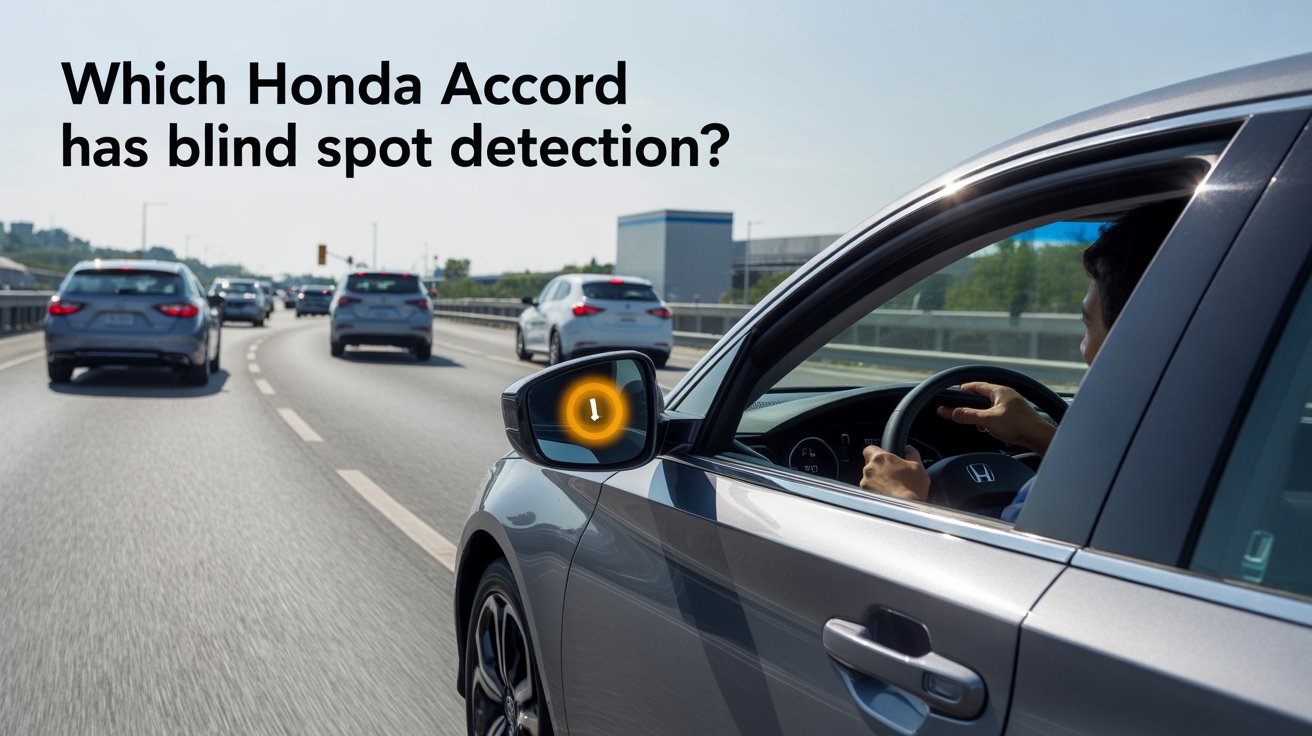
Which Honda Accord Has Blind Spot Detection? (Expert Advice)
Honda Accord blind-spot detection is available on EX, EX-L, and Touring trims, starting in 2018. Earlier model years offered the Blind Spot Information System only on higher trims. Availability depends on trim level, not engine or transmission.
This guide explains exactly which Accords have Honda’s Blind Spot Information System and how to verify it before buying.
Which Honda Accord Trims Have Blind Spot Monitoring?
Which Honda Accord has blind spot detection? Blind-spot monitoring in the Honda Accord is primarily tied to trim level, not engine type. Higher trims include this feature more consistently, while base trims often do not. That is why checking the trim matters more than checking horsepower or transmission.
Trim Availability Table:
| Trim | Blind Spot Monitoring |
| LX | Not available |
| Sport | Select years only |
| EX | Available in most years |
| EX-L | Usually standard |
| Touring | Standard |
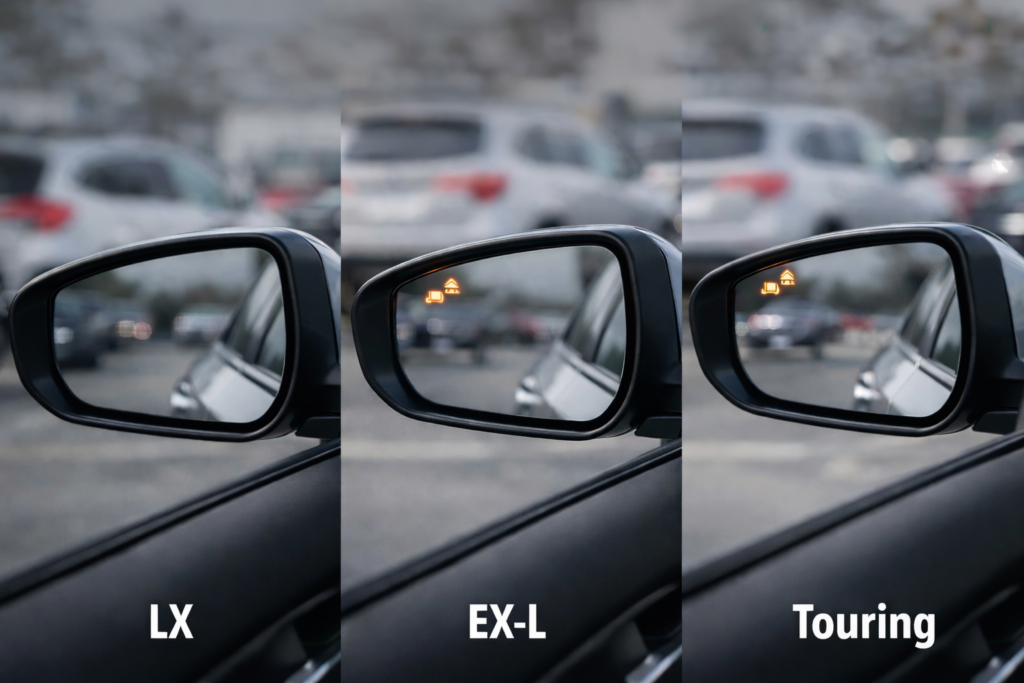
Honda’s official feature guides confirm blind spot detection availability varies by trim and model year, even within the same generation.
Tip: Touring trims almost always include blind spot monitoring.
Not sure which Accord trim actually includes blind spot detection? Understanding Accord trim levels clears the confusion instantly.
Also Read: What Are The Honda Accord Trim Levels?
Which Accord Model Years Added Blind Spot Detection?
Honda introduced blind spot detection gradually as safety technology improved. It did not appear on early Accords.
Model Year Overview:
| Model Years | Blind Spot Detection |
| Before 2013 | Not available |
| 2013–2015 | Higher trims only |
| 2016–2017 | Wider trim support |
| 2018–Present | Common on EX and above |
Year alone is not enough; trim still matters.
Some older Accord years lack modern safety tech entirely. Here are the model years smart buyers usually avoid.
Also Read: What Years To Avoid Honda Accord?
What Is Honda Blind Spot Information System (BSI)?
Honda calls its blind-spot detection system the Blind Spot Information System (BSI). It uses radar sensors to detect vehicles you cannot see in your mirrors.
BSI alerts the driver via side-mirror lights and, sometimes, an audible alert, helping reduce lane-change accidents.
How Does Honda Accord Blind Spot Detection Work?
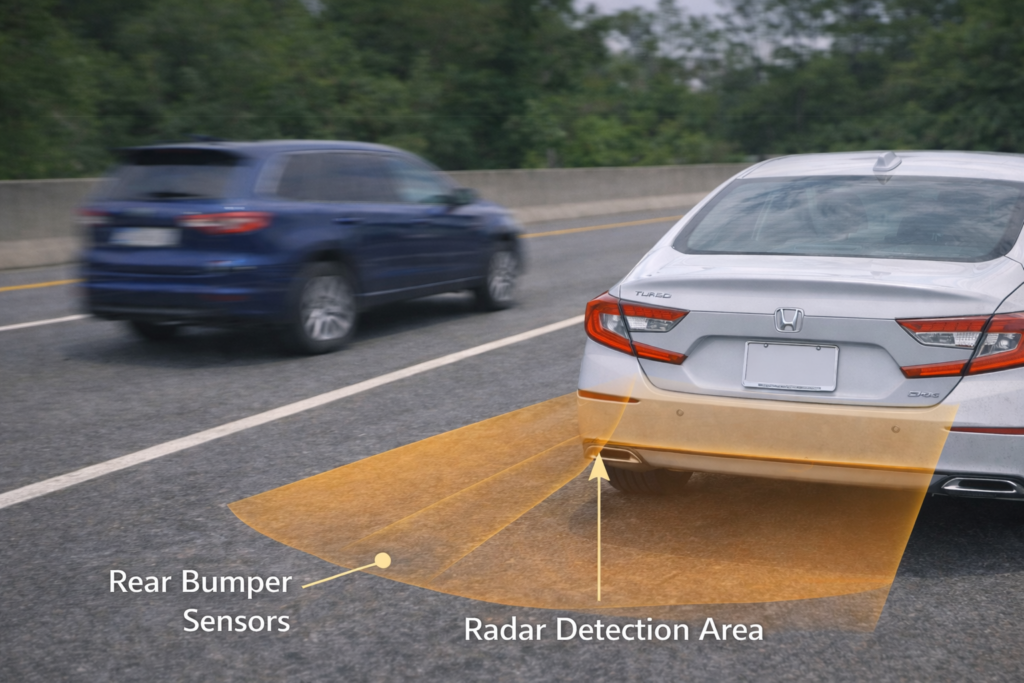
In real-world driving, I have noticed that Honda’s blind-spot system performs best on highways but can miss vehicles in dense city traffic. Several Accord owners also report fewer false alerts compared to aftermarket systems. Honda Accord blind-spot detection uses radar sensors mounted near the rear bumper.
- Sensors track vehicles in nearby lanes
- The warning light appears in the mirror
- An audible alert may sound when signalling
The system issues a warning but does not steer or brake.
Many Accord owners assume blind-spot detection works at all speeds, but in city driving, it often stays inactive.
At What Speed Does Blind Spot Detection Activate?
On most Honda Accords, blind spot detection only activates once you reach steady driving speeds, typically on multi-lane roads rather than slow city traffic.
- Typically works above city speeds
- Designed for multi-lane roads
- May not alert at very low speeds
This helps keep alerts accurate and useful.
Honda’s feature guides explain sensor limits, but real-world driving conditions often reduce accuracy.
Where Are Blind Spot Sensors Located on the Accord?
Honda installs blind-spot sensors behind the rear bumper, near each corner.
These sensors monitor traffic approaching from behind. Keeping the bumper clean helps the system work correctly.
Does Blind Spot Detection Work While Signalling?
Yes. Blind spot detection becomes more active when you use the turn signal.
- Mirror warning light stays on
- An audible alert may sound
- Helps prevent unsafe lane changes
This feature is designed to catch last-second mistakes.
Why is the Honda Accord Blind Spot Not Working?
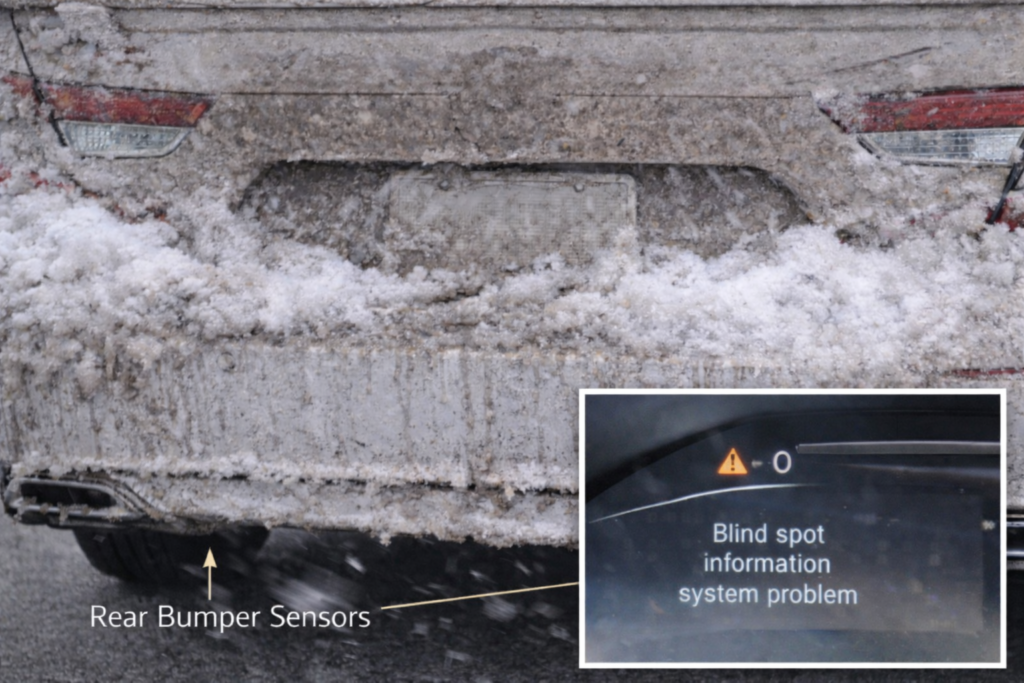
In many cases, blind-spot warnings stop working due to environmental or driving conditions rather than a system fault.
Common Reasons:
- Dirt, snow, or mud covering sensors
- Heavy rain or fog
- Software or calibration issues
Cleaning sensors often fixes the problem. A common mistake is assuming the system has failed when it is actually disabled due to sensor blockage or low driving speed.
What Does the Blind Spot Warning Light Mean?
The warning light in the side mirror means a vehicle is detected in your blind spot.
If the light flashes or stays on unexpectedly, it may indicate blocked sensors or system limits.
What Are the Limits of Honda Blind Spot Detection?
Like any driver-assist feature, Honda’s blind spot system has clear limitations that drivers need to understand.
- May miss fast-approaching vehicles
- Can struggle in extreme weather
- Does not replace mirror checks
Drivers should still stay alert at all times.
Blind-spot detection improves awareness, but overall stability also depends on drivetrain options like AWD.
Also Read: Do Honda Accords Come In AWD?
Does the Honda Accord Have Rear Cross Traffic Alert?
Rear cross traffic alert is available on select higher trims and newer model years.
Availability Summary:
| Trim Level | Rear Cross Traffic Alert |
| LX / Sport | Rare |
| EX-L | Select years |
| Touring | Often standard |
Always confirm with vehicle specs.
Can Blind Spot Detection Be Added Later?
Factory-installed blind-spot detection cannot realistically be added later.
The system requires built-in sensors and software. Retrofitting is costly and often unreliable compared to factory setups.
Is Aftermarket Blind Spot Monitoring Worth It?
Aftermarket systems are cheaper but less accurate.
- Limited integration with mirrors
- Higher false alerts
- Lower reliability
They can help, but factory systems perform better.
Honda continues expanding blind-spot technology across newer Accord trims as safety standards evolve.
Is Blind Spot Detection Worth Paying For on the Accord?
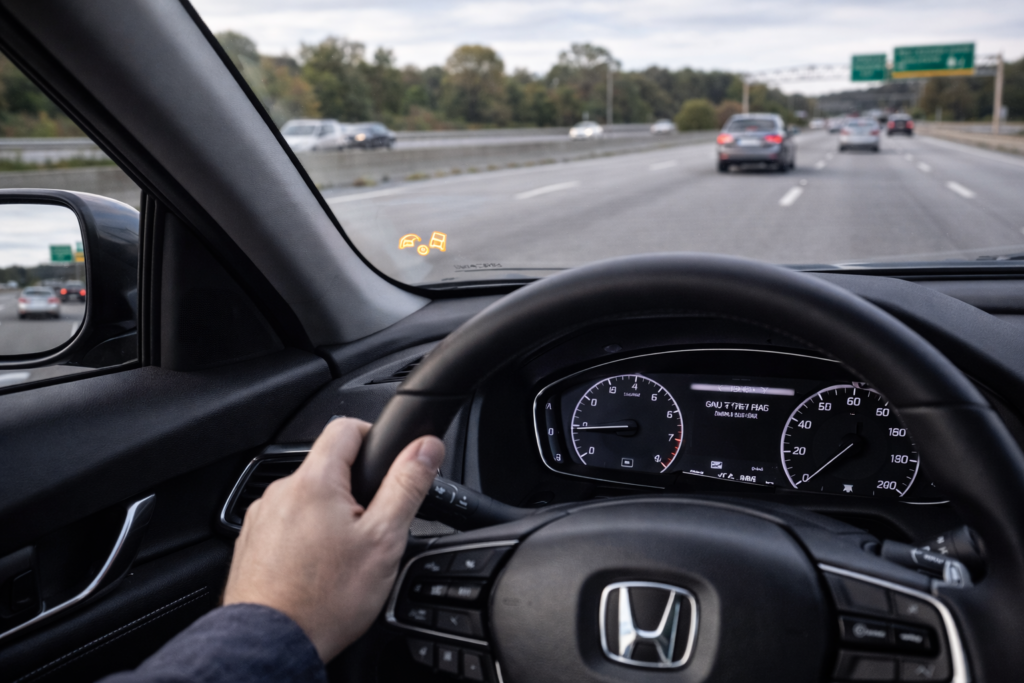
For most daily drivers, especially those who commute or drive on highways, blind spot detection is one of the most practical safety upgrades on the Honda Accord
Blind spot detection improves confidence, reduces lane-change stress, and adds resale value. If you drive daily or on highways, it is a smart safety upgrade.
Honda’s own feature guides and owner reports consistently show blind spot monitoring reduces lane-change errors when used correctly.
If you plan to keep your Accord for many years, long-term safety features matter just as much as how many miles the car can realistically cover.
Also Read: How Many Miles Can A Honda Accord Get?
FAQs:
Does the Honda Accord Touring have blind spot detection?
Yes. Honda Accord Touring trims almost always include blind spot detection as standard, especially on 2018 and newer models.
Can the EX and EX-L trims have blind-spot detection?
Yes. Many EX and EX-L Honda Accord trims include blind-spot detection, but availability varies by model year and optional safety packages.
What is Honda’s Blind Spot Information System (BSI)?
Honda’s Blind Spot Information System (BSI) uses rear radar sensors to detect vehicles in adjacent lanes and alerts drivers during lane changes.
How can I check whether a used Accord has blind-spot detection?
Check for warning icons in the side mirrors, review the window sticker or settings menu, or confirm features using a Honda VIN lookup.
Do all Honda Accords have blind spot detection?
No. Blind-spot detection is available only on select Honda Accord trims and model years; base trims and older models usually lack it.
Conclusion:
Choosing a Honda Accord with blind spot detection keeps you safer and more confident on the road. Touring trims almost always include it, while EX and EX-L vary by year or package. Check your trim before buying, and make sure you are getting the safety features you truly need.