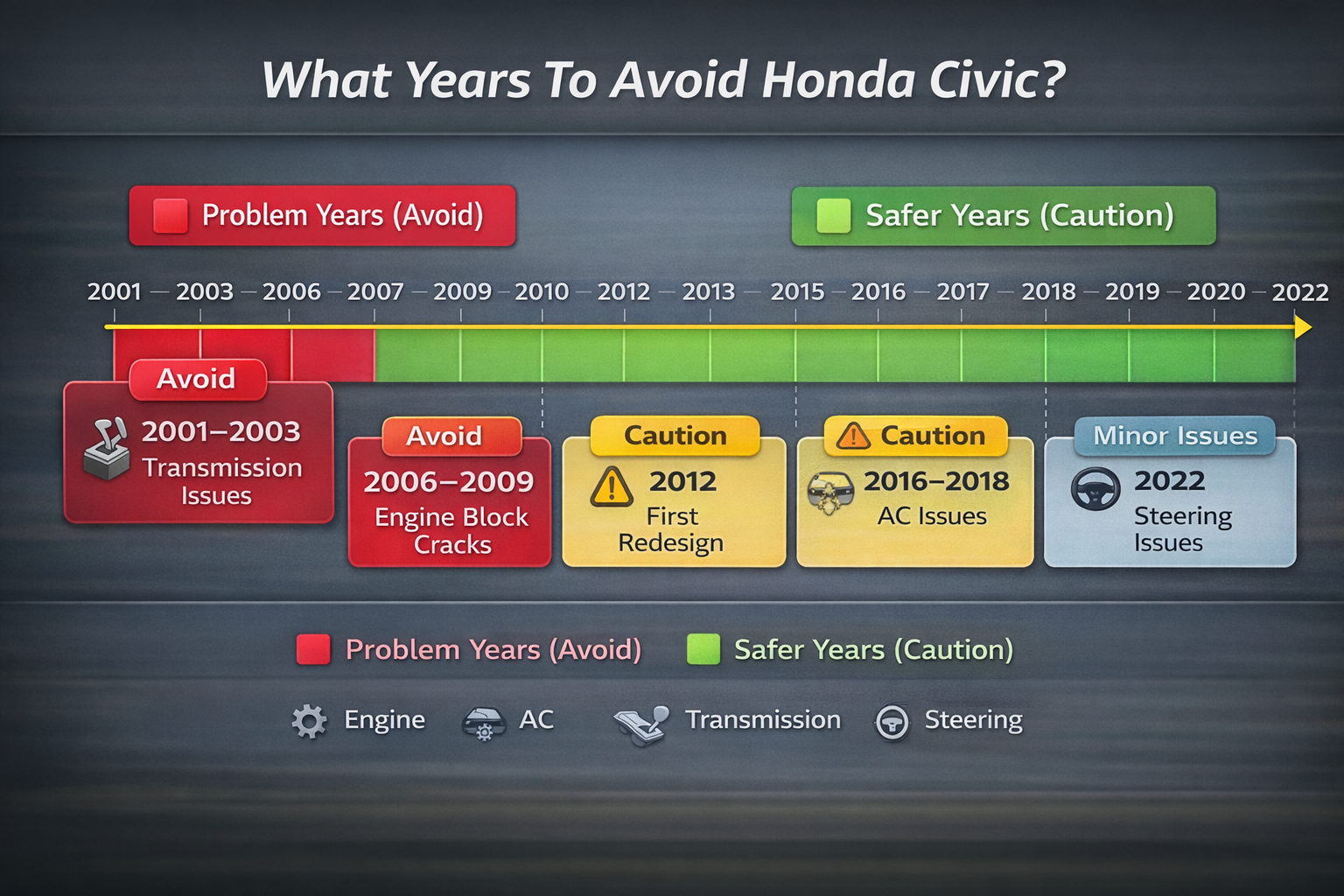
What Years To Avoid Honda Civic? (Avoid These Years)
Most Honda Civic model years are reliable, but a few stand out for transmission failures, engine defects, AC problems, or first-year redesign issues. If you are shopping for a used Civic, knowing which years to avoid can save thousands in unexpected repair costs.
In this guide, you will learn which Honda Civic years have the most reported problems, why those issues occurred, and which model years are generally considered the safest used-car purchases.
Which Honda Civic Years Should You Avoid?
What years to avoid the Honda Civic? If you want a quick answer, several Honda Civic years consistently show higher complaints and mechanical issues.
These models often appear in owner forums, repair databases, and reliability reports as the most problematic.
Years commonly recommended to avoid:
- 2001 to 2003 – Automatic transmission failures were widely reported.
- 2006 to 2009 – Engine block cracking in the 1.8L engine affected many cars.
- 2012 – First year of a redesign with many build-quality complaints.
- 2016 to 2018 – AC condenser failures and early turbo engine concerns.
- 2022 – Early steering-related complaints were reported by some owners, but overall reliability remains above average.
Most of these problems happened during new generation launches or early engine designs, which is a common pattern across many vehicles.
Also Read: Is The Honda Civic Reliable?
Why Are Some Honda Civic Years Worse Than Others?
Most problematic Civic years share one thing in common: they were first-year redesigns or models with a new engine or transmission.
When manufacturers launch a new generation, early production cars sometimes reveal issues that were not fully tested in real-world driving.
For example, the 2016 Civic introduced a new turbocharged engine and updated electronics. Early models later developed AC system failures and oil dilution concerns in cold climates. Honda eventually issued software updates and extended warranties to address these problems.
Mechanics noticed these issues mostly on early production cars. Later model years quietly fixed the design problems.
Which Honda Civic Generation Has The Most Problems?
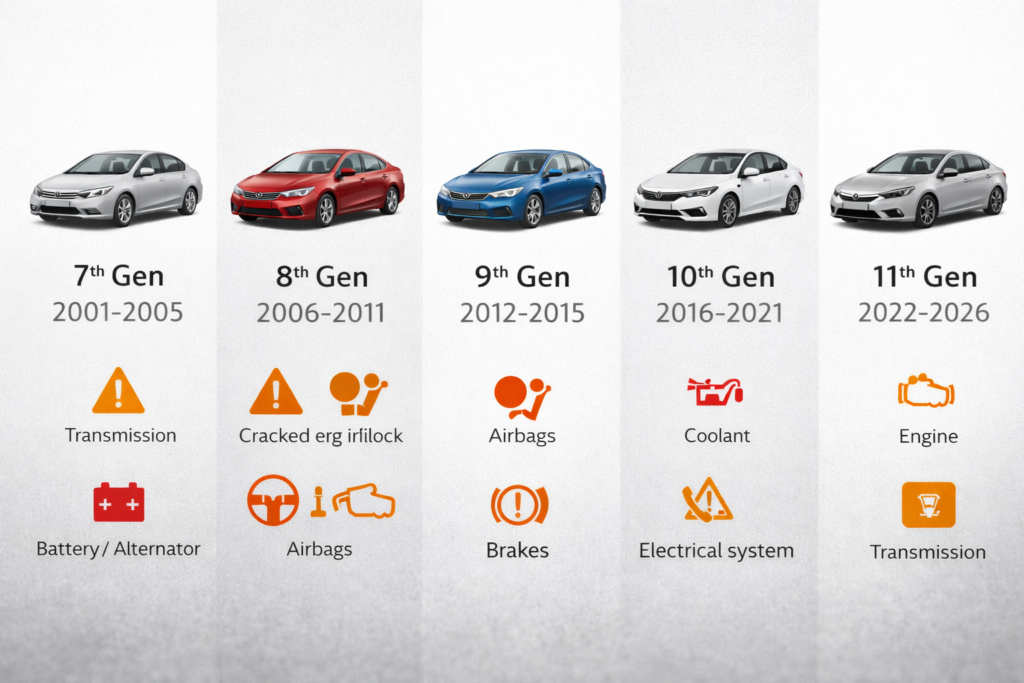
Some generations simply had more complaints than others due to design flaws or new technologies.
| Generation | Model Years | Known Issues |
| 7th Generation | 2001 to 2005 | Transmission failures, head gasket issues |
| 8th Generation | 2006 to 2011 | Cracked engine blocks in early models |
| 9th Generation | 2012 to 2015 | Interior quality complaints, weak redesign |
| 10th Generation | 2016 to 2021 | AC condenser failures, turbo oil dilution |
| 11th Generation | 2022 to 2026 | Early steering and software complaints |
The 7th- and early 8th-generation Civics generally receive the most reliability complaints from owners.
Some 2004 to 2005 Civics had minor transmission or suspension complaints, though far less frequent than early 2000s models.
Also Read: How Many Miles Can A Honda Civic Last?
Which Honda Civic Years Have The Most Complaints?
Complaint data from owner reports and repair databases shows a clear pattern in certain model years.
| Model Year | Typical Complaints | Common Issue |
| 2006 | Very High | Cracked engine block |
| 2007 | High | Engine coolant leaks |
| 2001 | High | Automatic transmission failure |
| 2016 | Moderate | AC condenser problems |
| 2022 | Moderate | Steering system concerns |
Owners usually start reporting these problems after several years of driving, often once the warranty period ends.
Honda Civic Reliability Timeline
| Period | Main Problem |
| 2001 to 2003 | Automatic transmission failures |
| 2006 to 2008 | Engine block cracking |
| 2012 | First redesign complaints |
| 2016 to 2018 | AC condenser and oil dilution issues |
| 2022 | Early steering concerns |
These reliability trends appear consistently in owner reports and mechanic discussions across many Civic forums.
Which Civic Models Have Engine Problems?
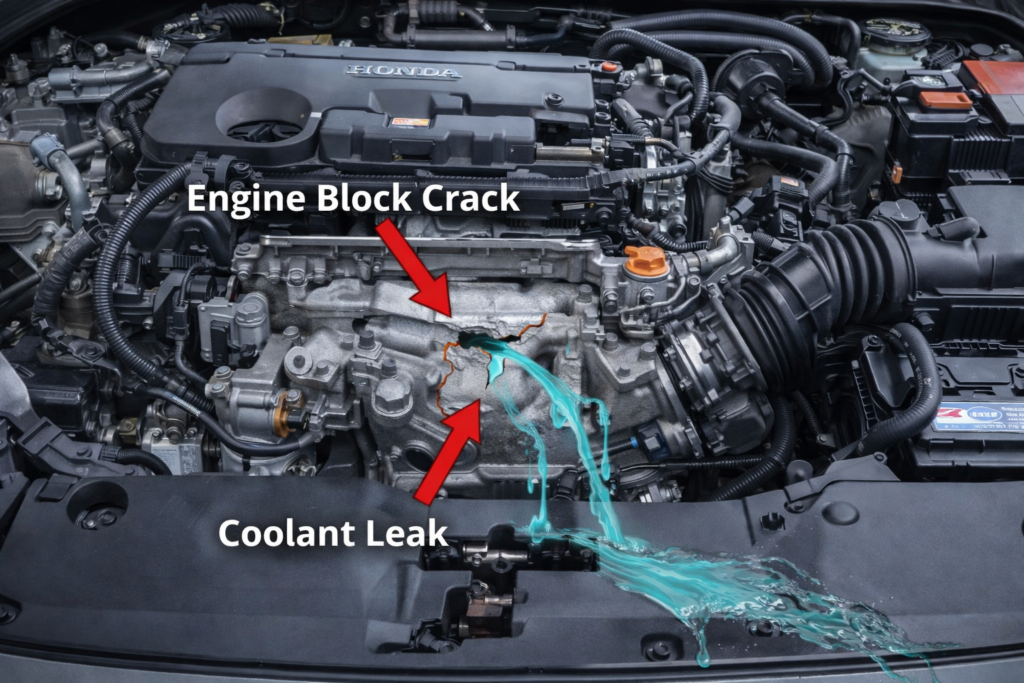
Some Civic engines were very reliable, while others developed specific issues that became well-known among mechanics.
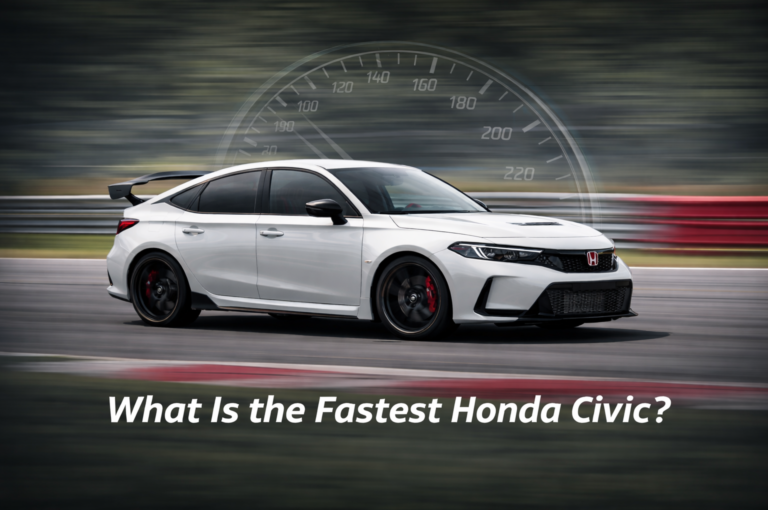
Read Guide: What is the Fastest Honda Civic?
Common Engine-Related Civic Problems
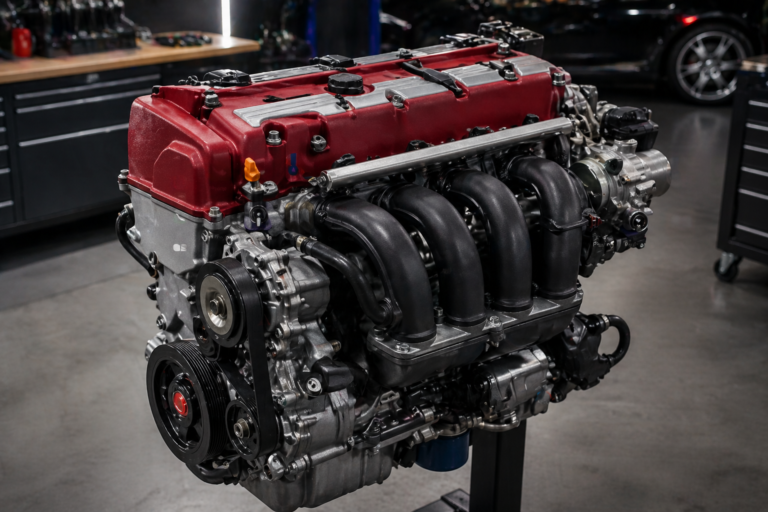
- From 2006 to 2008, 1.8L engines sometimes developed cracks in the engine block, leading to coolant leaks.
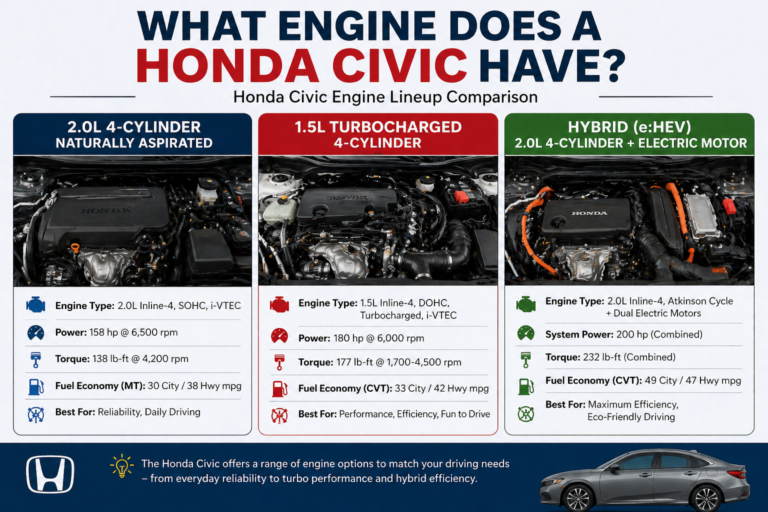
- From 2016 to 2018, turbo engines experienced oil dilution issues in cold climates.
- Early hybrid models (2003 to 2009) had expensive battery failures.
- Recent Civic Hybrid models have shown strong reliability so far, though long-term battery durability data is still developing because these vehicles are relatively new.
Some repair shops report that cracked engine blocks in certain 2006 Civics often appear as slow coolant leaks around 100,000 miles.
Typical Repair Costs For Common Civic Problems
| Problem | Average Repair Cost |
| AC condenser replacement | $800 to $1200 |
| Engine block replacement | $3000 to $5000 |
| CVT transmission repair | $3500 to $4500 |
| Hybrid battery replacement | $2000 to $3000 |
Repair costs vary by location, but these estimates reflect typical repair shop pricing in North America.
Which Honda Civic Years Have Transmission Issues?
Transmission reliability improved significantly after the mid-2000s, but earlier models had well-known failures.
Civic Transmission Problems by Year
- 2001 to 2003 models often experienced automatic transmission failure before 120,000 miles.
- Manual transmissions in the same generation were generally more reliable.
- Modern CVT transmissions (2014 onward) are usually dependable when fluid changes are done regularly.
Which Honda Civic Years Have AC Problems?
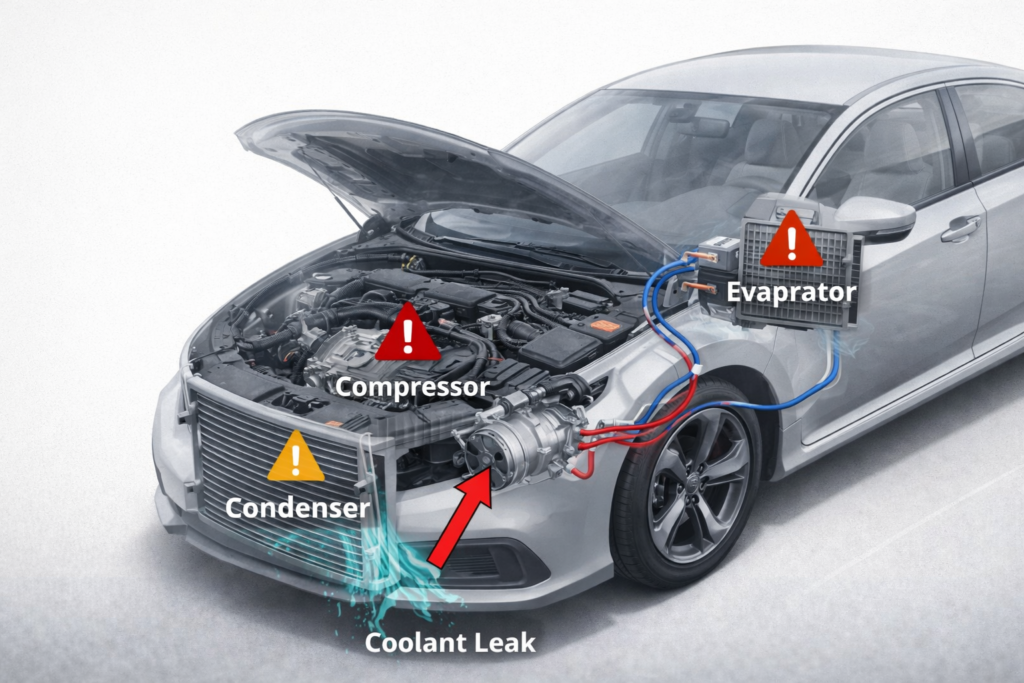
Air-conditioning issues became one of the most common complaints in newer Civics, especially during the 10th generation.
| Model Years | Common AC Issue |
| 2016 | Condenser leaks |
| 2017 | Compressor failure |
| 2018 | Evaporator problems |
| 2019 | Refrigerant leaks |
Honda later extended warranty coverage for some AC components, which helped many owners repair the problem at reduced cost.
Which Honda Civic Years Have Steering Problems?
Steering issues are less common than engine or transmission problems, but they have appeared in some newer models.
Reported Steering Issues
- 2022 Civic – occasional steering rack stiffness
- 2023 models – minor electronic steering complaints from a few owners
Are New Honda Civic Models Reliable?
Recent Civic models have improved significantly in reliability compared to older generations.
The 2023, 2024, 2025, and 2026 Civics generally receive strong reliability ratings thanks to updated engines, better build quality, and improved safety technology.
Many reliability surveys now rate recent Civic models above average compared with other compact cars. 2023 to 2026 Civics, including hybrid variants, have generally shown excellent reliability, with only minor sensor or infotainment issues reported early. Early reports of sensor calibration and driver-assist feature glitches exist in 2025 to 2026 models, but they are minor and rare.
Many mechanics consider the newest Civics to be among the most dependable compact cars available today, especially when routine maintenance like oil changes and CVT fluid service is done on time.
What Are The Best Honda Civic Years To Buy?
If you want a used Civic with fewer known problems, certain model years stand out for their reliability.
| Best Years | Why They Are Reliable |
| 2013 to 2015 | Redesigned after the 2012 improvements |
| 2019 to 2021 | Most AC issues have already been fixed |
| 2023 to 2026 | The latest generation with strong reliability |
A few 2019 Civics still reported minor infotainment glitches, but these were not widespread. These models combine modern safety features with proven engines, making them safer used-car choices.
Also Read: How Long Do Honda Civic Batteries Last?
What Is The Most Reliable Honda Civic Year?
If you want a single Honda Civic model year with one of the strongest reliability records, the 2015 Civic is often considered one of the safest choices. It combines proven powertrains, relatively low complaint rates, affordable repair costs, and avoids many of the issues found in earlier or first-year redesign models.
Other highly rated years include 2014, 2019, 2020, and 2021.
How Can You Avoid Buying A Problematic Honda Civic?
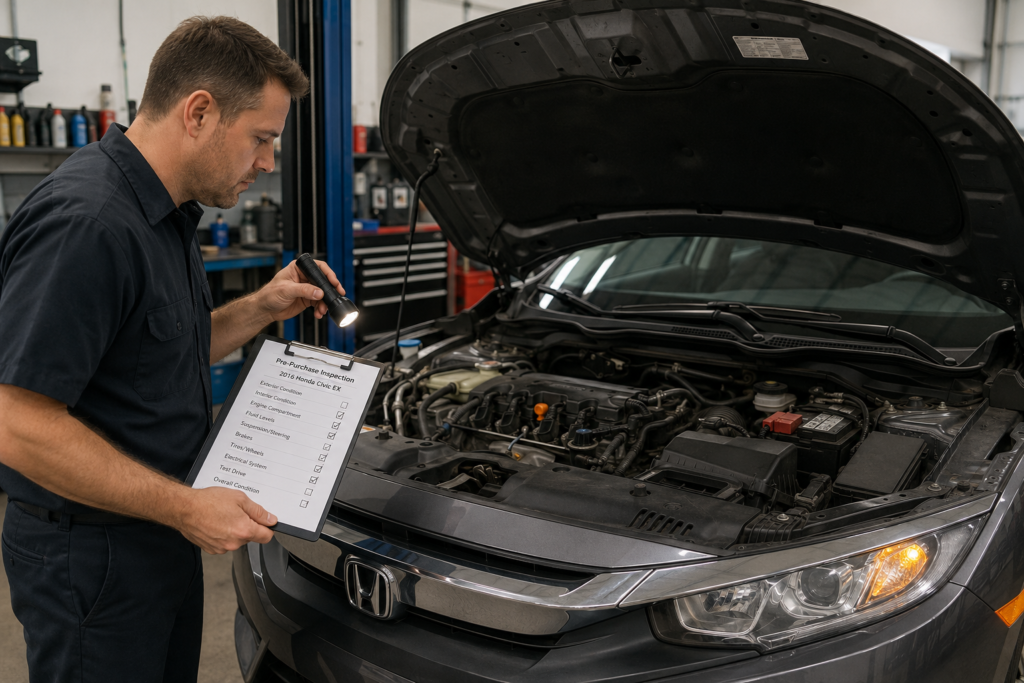
Buying a reliable Civic mostly comes down to inspection and research before purchase.
Simple Steps Buyers Should Follow
- Check the vehicle history report for accidents or recalls.
- Look for maintenance records, especially oil and transmission service.
- Inspect the AC system and engine for coolant leaks.
- Test drive the car to check transmission shifting and steering response.
Mechanic’s Advice When Buying A Used Civic
Experienced mechanics often recommend checking the cooling system and transmission first when inspecting older Civics. These areas are where the most expensive failures appear.
Spending a little extra time inspecting the vehicle can help ensure you do not end up with one of the Honda Civic years to avoid that often cause expensive repairs later.
FAQs:
Which Honda Civic year has the most reported problems?
The 2006 Civic often tops complaint charts due to cracked engine blocks and coolant leaks reported by many owners.
Are modern Honda Civics reliable?
Yes, most 2019 to 2026 Civic models are considered highly reliable when maintained properly.
Should I avoid buying a 2012 Honda Civic?
Yes, many buyers avoid the 2012 model because it was the first year of a redesign with quality and interior complaints.
What mileage is considered high for a used Honda Civic?
A Civic with over 200,000 miles is considered high mileage, though well-maintained examples can still run reliably.
Do all Honda Civic years have major problems?
No, most Civic model years are dependable, and many easily exceed 200,000 miles with routine maintenance.
Is a Honda Civic with 200,000 miles worth buying?
It can be, provided maintenance records are available, and the vehicle passes a pre-purchase inspection. Many Civics exceed 200,000 miles when properly maintained.
Conclusion:
Most Honda Civic model years are dependable, but not all Civics age equally. The 2001 to 2003, 2006 to 2008, 2012, and some early 2016 to 2018 models deserve extra scrutiny because of known transmission, engine, or AC-related concerns.
By avoiding the Honda Civic years to avoid and focusing on well-maintained models, buyers can still find a Civic that delivers the long-term reliability the car is famous for. Adding a mechanic’s inspection and repair cost awareness ensures you make a smart purchase while minimizing expensive surprises.