Why Does My Honda Accord Jerk When I Accelerate? Cause & Solution
If your Honda Accord jerks when you press the gas, it can be scary and frustrating. I have owned Hondas for years, and this is a problem many Accord owners face at some point. Sometimes the cause is small and cheap to fix. At other times, it needs prompt attention to prevent further damage.
In this guide, we will break down the most common reasons this happens and show you how to check them one by one, based on what usually goes wrong in different Honda Accord models.
What Are Common Honda Accord Jerking Symptoms?
Why Does My Honda Accord Jerk When I Accelerate? It usually feels like the car suddenly pulls forward or hesitates before moving. This makes driving feel rough and difficult to control. What matters most is not just that the jerking happens, but when it happens, because the timing often points directly to the underlying cause.
Jerking at Low Speeds vs. Highway:
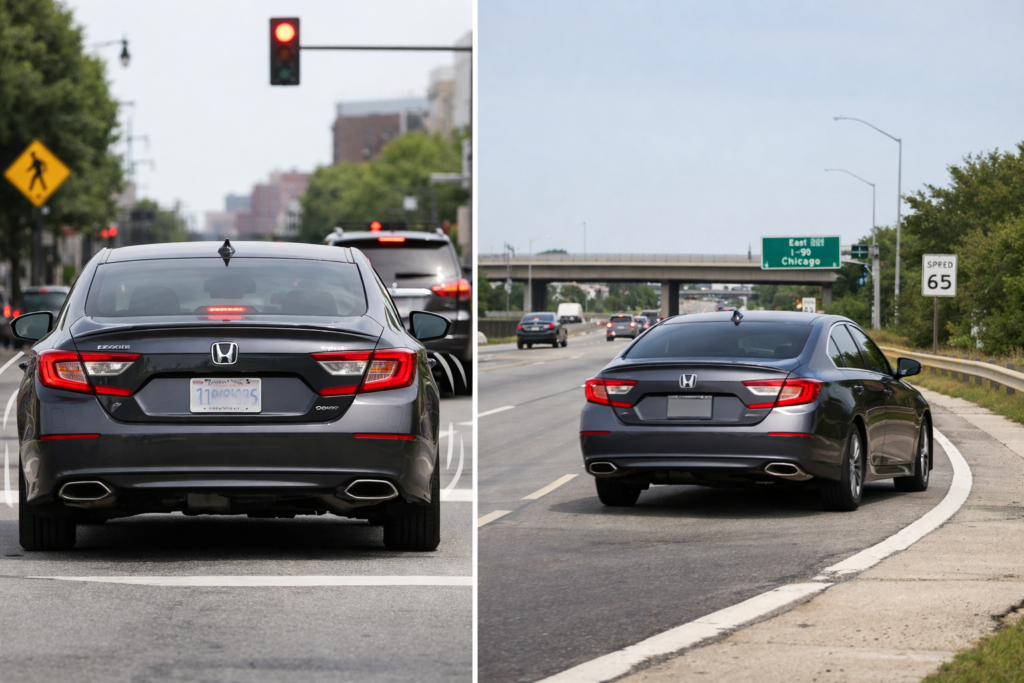
At low speeds, especially when pulling away from a stop, the car may stutter or shake slightly. In many cases, this stems from slow throttle response or worn parts that no longer respond smoothly. On highways at around 60 mph, it may exhibit violent pulls, indicating sensor malfunctions or exhaust restrictions. If it comes and goes, consider an electrical or sensor issue. If it happens every time, something is likely worn out.
When It Happens: Cold Start or After Warm-Up:
I noticed my Accord jerked the most on cold mornings. For the first few minutes, it felt rough, as if the car was not moving smoothly. Once the engine warmed up, the jerking usually faded.
When the jerking did not go away after warm-up, that is when I knew it was not just the cold. Problems that persist often indicate airflow or exhaust issues that would not resolve on their own.
Check Engine Light and Other Warning Signs
If the check engine light turns on while your Accord jerks, do not ignore it. This usually means the engine is not running smoothly.
You may also notice:
- RPM needle jumping up and down
- Poor gas mileage
- Rough idle
These signs often appear before a larger failure.
Can Fuel System Issues Cause Honda Accord Jerking?
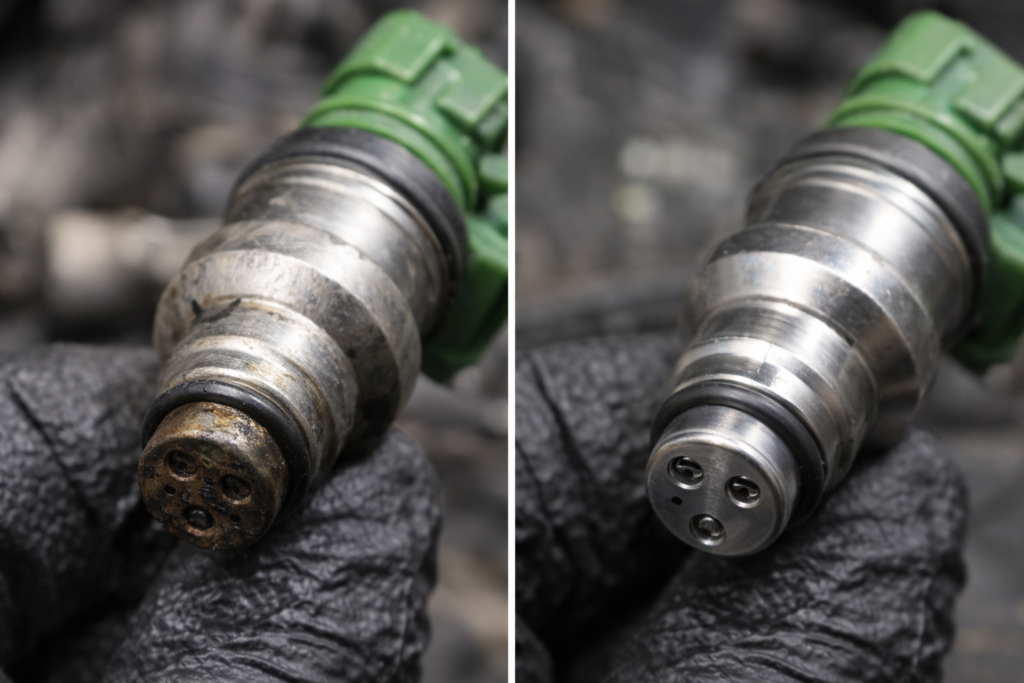
Fuel problems are among the first things I check when an Accord starts jerking, especially if the issue occurs during acceleration. In my Accord, the jerking did not occur consistently; it appeared immediately after refueling and worsened over a few days.
In many cases, the cause is simpler than people assume. The engine was not getting fuel evenly. Once that happens, the car hesitates, then suddenly pulls forward.
Most of the time, the problem stems from dirty fuel injectors, a restricted fuel filter, or low fuel pressure. Bad gas makes everything worse. I have seen Accords start acting up immediately after refueling at a low-cost station, even before any warning lights appeared.
If the jerking started soon after a fill-up, do not overthink it. Run the tank low, refill with high-quality fuel, and monitor whether the problem improves. If it does not, then injector cleaning or fuel pressure testing becomes warranted.
Using the wrong fuel can worsen jerking. Know exactly what gas your Accord needs!
Also Read: What Gas Does A Honda Accord Take?
Clogged Fuel Injectors and Filters:
Clogged fuel injectors restrict spray patterns, causing misfires and jerking. In high-mileage Accords (over 100,000 km), sediment buildup is common. Clean injectors with professional additives or ultrasonic cleaning; replacement costs $200 to $500 per set.
Damaged Fuel Pipes or Pump:
Leaking or corroded fuel pipes, sometimes from rodent damage in stored vehicles, reduce pressure and cause RPM drops while accelerating. Inspect lines visually; a failing pump might produce whining sounds. Pump replacement averages $400 to $800, including labor.
How Bad Gas Contributes?
Bad fuel can also cause jerking. I have seen cars malfunction immediately after refueling at a low-quality gas station. Dirty fuel can affect how the engine burns fuel, especially during acceleration. Opt for top-tier gasoline; Higher-quality fuel tends to leave fewer deposits over time.
Do Spark or Ignition Problems Cause Jerking?
Spark plugs help fire the engine. When they wear out, the engine misfires, and you feel jerking when you press the gas. If your Accord has high mileage and still has old spark plugs, this should be one of the first things you check. Bad ignition coils can also cause sudden jerks, especially during acceleration.
A weak battery can sneakily trigger misfires, and jerks do not ignore it!
Also Read: How Long Do Honda Civic Batteries Last?
Faulty Spark Plugs and Wires:
Worn spark plugs cause misfire symptoms, especially in V6 models. Honda recommends iridium plugs that last 100,000 miles, but fouled ones from oil leaks can cause the vehicle to jerk. Replacing worn spark plugs usually costs between $50 and $150, depending on engine type.
Ignition Coil Failures:
In many 2008 to 2012 Honda Accords, bad ignition coils are a common cause of jerking. When one coil starts failing, the engine does not fire evenly, and you notice it immediately when you accelerate. A failing coil often does not fail completely; it cuts out under load. Coils intermittently fail.
Distributor Cap Moisture:
In older models (pre-2000), condensation on the distributor cap’s moisture causes low-speed stutter. Dry and inspect; silicone dielectric grease prevents recurrence.
Can a Dirty Air Filter or Vacuum Leak Cause Jerking?
Yes, and this one is often overlooked. An engine needs clean air to run smoothly. A dirty air filter can choke airflow and cause hesitation. I have personally fixed jerking issues just by replacing an old air filter. Vacuum leaks are another common issue, especially in older Accords. Cracked hoses allow extra air into the engine, disrupting performance.
Dirty Air Filters Restricting Flow:
A very dirty air filter can choke the engine. I have resolved jerking issues by replacing an air filter that had not been changed in years. Replace every 15,000 miles; DIY costs under $20.
Vacuum System Leaks:
Vacuum leaks introduce unmetered air, destabilizing idle and acceleration. Most vacuum leaks are not obvious without professional testing.
Mass Airflow Sensor Malfunction:
A dirty MAF sensor skews readings, causing jerking after letting off the gas. Clean with a specialized spray; replacement is $100 to $200.
Can Exhaust or Catalytic Issues Cause Jerking?
They can, especially at higher speeds. If the exhaust is blocked, the engine cannot breathe properly. This makes the car feel weak and jerky when accelerating. A faulty catalytic converter may also cause unusual odors and loss of power.
Clogged Catalytic Converter:
A clogged catalytic converter, from unburned fuel or oil, restricts flow and causes violent jerking. Symptoms include sulfur odors; cleaning agents provide temporary relief, but replacement ($800 to 1500) is often required. A clogged catalytic converter can make acceleration feel weak, uneven, and jerky.
O2 or Knock Sensor Problems:
Faulty O2 sensors can misadjust fuel trim, causing hesitation. Knock sensors detect pinging; failures in 1.5T engines cause protective RPM limits.
Exhaust System Backpressure:
Leaky manifolds increase backpressure; inspect welds. High-altitude driving worsens this due to thinner air.
Can Transmission Problems Cause Jerking?
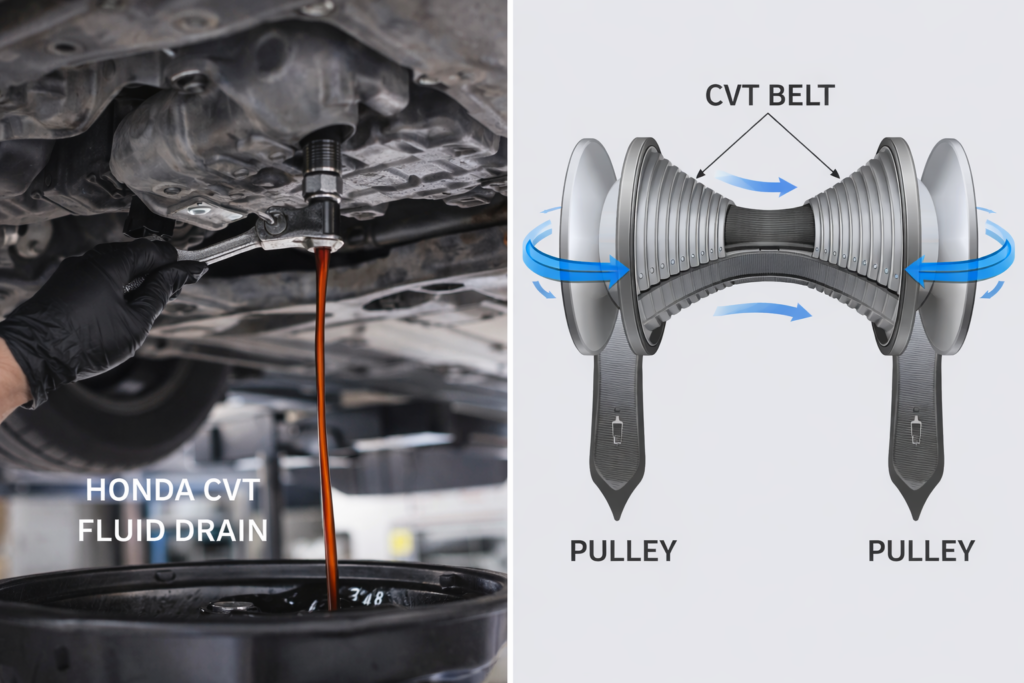
This is where ignoring the problem can turn a small fix into a costly one.
If the jerking feels more like a hard shift or slipping, the transmission may be the issue. Low or dirty transmission fluid is a common cause. Many Accord owners fix jerking simply by servicing the transmission on time. Waiting too long often leads to costly repairs.
Driving in the wrong gear could stress your transmission. Check your shifting habits now!
Also Read: What Gear to Drive in a Honda Accord?
Low or Dirty Transmission Fluid:
Low transmission fluid causes gear shift hesitation. Check levels; Honda CVTs require a specific fluid change every 30,000 miles to prevent jerking.
Torque Converter or Solenoid Faults:
Torque converter lock-up issues in 2013 to 2015 Accords led to NHTSA recalls. Symptoms: Jerking at 40 to 60 mph. Software updates fix many; dealer flashing is free under warranty.
CVT-Specific Jerking in Accords:
CVTs in 2018+ models jerk due to belt slippage. Honda has updated some CVT components in newer models to reduce this behavior.
| Transmission Issue | Symptoms | Fix Cost |
| Low Fluid | Hesitation | $100 to $200 |
| Solenoid Fault | Jerk at Shift | $300 to $600 |
| CVT Belt | Continuous Jerk | $1,000+ |
In my experience, fixes range from cheap to painful, depending on how long you ignore it.
Can Worn Engine Mounts Cause Jerking?
Yes. Engine mounts hold the engine in place. When they wear out, the engine moves too much, causing jerks when you accelerate. This issue is common in high-mileage Accords and often worsens when shifting or starting from a stop.
Worn Engine Mounts:
Engine mounts commonly wear out on high-mileage Accords. Hydraulic mounts fail from fluid leaks; replacements cost $200 to $400 each.
Damaged Cylinders or Pistons:
Rare but severe piston ring wear from fuel dilution in 1.5T turbos (post-2018 issue) can cause misfires. Honda extended warranties to 8 years.
Acceleration Cable Wear:
In manual models, frayed cables cause imprecise throttle input.
Can Sensor or Electrical Failures Cause Jerking?
Modern Accords rely heavily on sensors, and a single faulty signal can disrupt the system.
Throttle Position or Speed Sensors:
A faulty throttle position sensor causes erratic acceleration. What sensor can cause a car to jerk? TPS or vehicle speed sensors often do.
Electrical Wiring Issues:
Corroded harnesses, especially in humid areas, and intermittent faults. Use dielectric grease on connections.
Battery or Alternator Problems:
Weak batteries drop voltage, affecting modules. A weak battery can cause strange driveability issues.
Do Some Honda Accord Models Jerk More Than Others?
Some Accord years are more prone to jerking than others.
Common in 2000-2010 Models:
V6 automatics jerk from solenoid packs; class actions covered some repairs.
2013-2019 Accords: CVT and Turbo Problems:
The 2018 Honda Accord 1.5T often experiences jerking due to fuel dilution; use 0W-20 oil. Turbo lag mimics jerking.
Recent 2020+ Updates:
Hybrid variants jerk less; 2023+ 11-speed transmissions reduce issues.
How Do You Diagnose Jerking in a Honda Accord?
Start simple before spending money.
Easy Checks You Can Do:
- Check engine oil and transmission fluid
- Look for warning lights
- Listen for unusual sounds
- Pay attention to when jerking happens
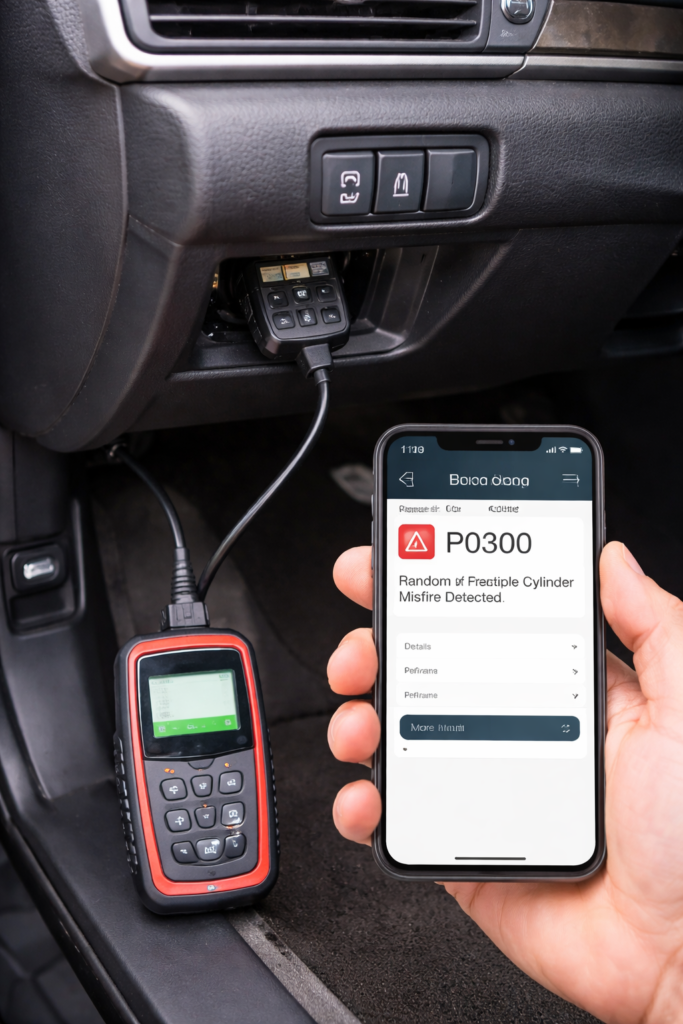
If the problem keeps coming back, a basic OBD2 scan can point you in the right direction.
Using OBD2 Scanners:
Scan for codes like P0300 (misfire). Affordable Bluetooth scanners ($20) connect to apps.
Visual Inspections:
Check fluids, belts, and hoses. Start with basic checks before assuming major failure.
When to Visit a Mechanic:
If jerking continues after basic checks, it is time to see a professional. Driving a jerking car is not just annoying; it can be unsafe. Ignoring the problem usually makes repairs more expensive later.
What Are Common Honda Accord Jerking FAQs?
Most jerking issues start small. Ignoring them usually makes repairs more expensive.
- Ignoring intermittent symptoms leads to escalation.
- Using the wrong fluids voids warranties.
How much does it cost to fix a car that jerks? $50 for filters to $2,000 for transmissions.
How People Actually Fix Honda Accord Jerking
A few habits can help prevent this issue from recurring.
- Monitor via OBD apps for real-time RPM data.
- Use premium fuel in turbos to avoid jerking after spark plug replacement.
- Schedule TCM software updates annually; Honda’s latest often reduces hesitation noticeably.
- In cold climates, warm-up idles help minimize cold-weather car jerking.
- Custom tune-ups for modified Accords address unique jerking at low speeds.
At first, I thought the transmission was failing. It was not. And that wrong assumption almost cost me a lot of money.
Regular oil changes are not optional; they prevent jerks and costly repairs!
Also Read: When to Get an Oil Change for Honda Accord?
FAQ’s:
What causes a car to jerk while accelerating?
Issues such as dirty fuel injectors, spark plug failure, or transmission problems disrupt power delivery, resulting in jerking.
Can bad spark plugs cause jerking?
Yes, they trigger misfires and RPM fluctuations. Inspect and replace as per Honda’s schedule.
Why does my Honda Accord jerk at low speeds?
Common from engine mounts or throttle issues; check for wear and vacuum leaks.
Can a clogged catalytic converter cause jerking?
Definitely, as it creates backpressure, tests exhaust flow, and accounts for cleaning.
Can low transmission fluid cause jerking?
Absolutely, it leads to slippage. Top up with Honda-approved fluid immediately.
Conclusion:
A Honda Accord that jerks when accelerating is common, but it is rarely random. Most jerking issues stem from fuel, ignition, airflow, or transmission problems. Regular maintenance prevents many of these problems. If your Accord starts jerking, deal with it early. The sooner you fix it, the smoother and safer your drive will be.