What Gas Does A Honda Accord Take? (Complete Guide)
If you drive a Honda Accord, choosing the right fuel should not feel confusing. Honda engineers designed most Accords to run efficiently on regular gasoline, but myths about premium and ethanol still cause unnecessary doubt at the pump.
This guide answers all these questions with the latest 2025 to 2026 information, model-specific details, real-world examples, and practical advice so you can make confident fuel choices.
What Fuel Does Honda Recommend for the Accord?
One thing Honda has done right over the years is keeping Accord fuel requirements consistent, and if you are asking what gas does a Honda Accord take, the answer has not really changed even as engines and technology have evolved. If you check the owner’s manual the same guide technicians rely on you will see regular unleaded fuel listed again and again as the recommended choice.
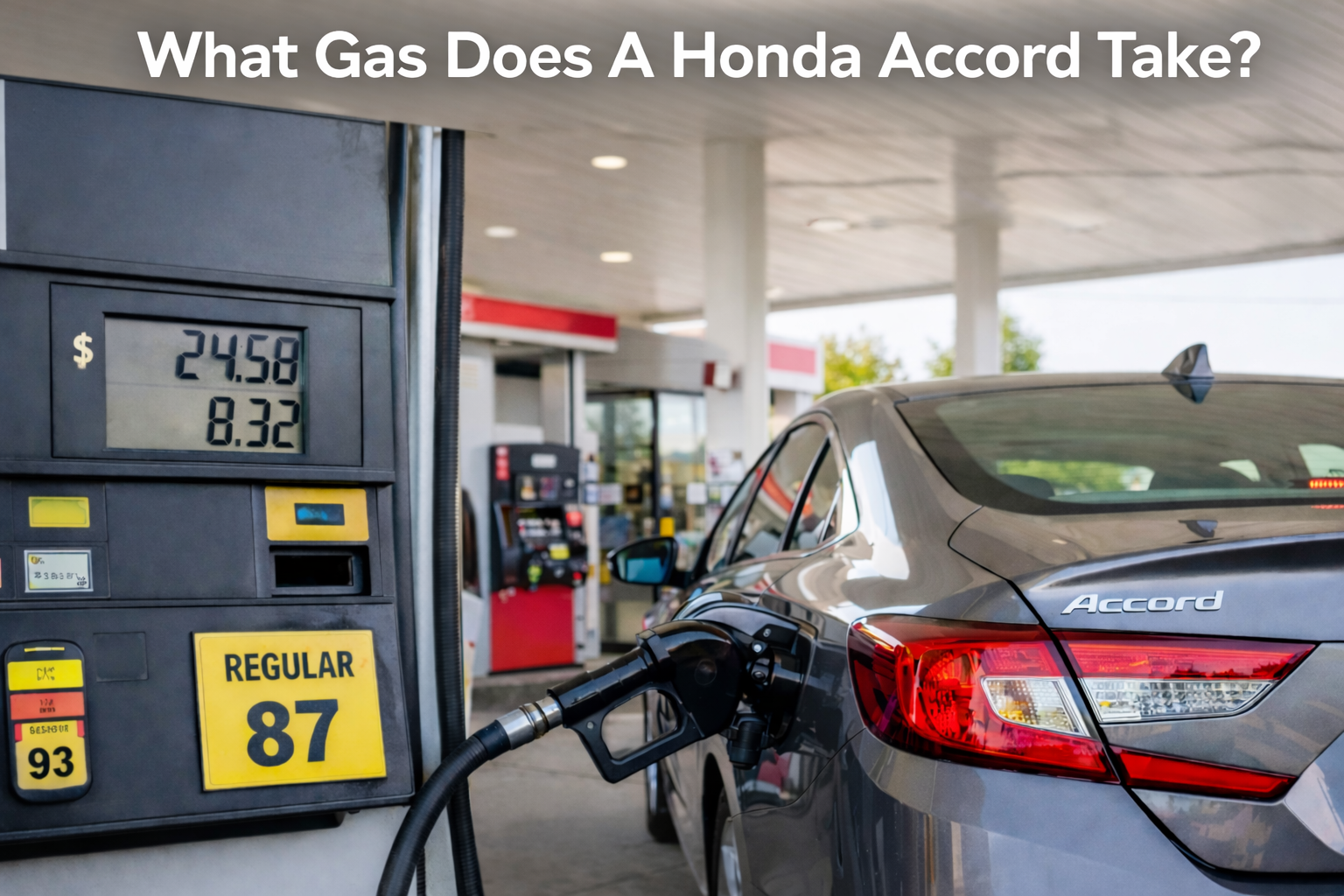
In simple terms, most Honda Accord models are designed to run on 87-octane regular gasoline, helping drivers save money while maintaining performance and reliability.
Official Honda Guidelines:
Honda states that all current gasoline-powered Accords (including turbocharged models) are engineered to run on 87 octane (AKI) regular unleaded fuel. Using fuel with an octane rating lower than 87 is not recommended and may cause engine knocking or reduced performance.
Octane Rating Explained:
Octane rating measures a fuel’s resistance to knocking or pre-ignition.
- 87 octane = Regular
- 89 octane = Mid-grade
- 91 to 93 octane = Premium
Higher octane fuels are more resistant to premature combustion but modern Honda engines (with knock sensors and variable valve timing) actively adjust timing to prevent damage when using 87.
Ethanol and Additives:
Most countries allow up to 10% ethanol (E10) in regular unleaded gasoline and Honda fully approves E10 for all Accords.
Higher ethanol blends such as E15 or E85 are not recommended and can cause long-term damage to fuel system components.
Does a Honda Accord Really Need Premium Gas?
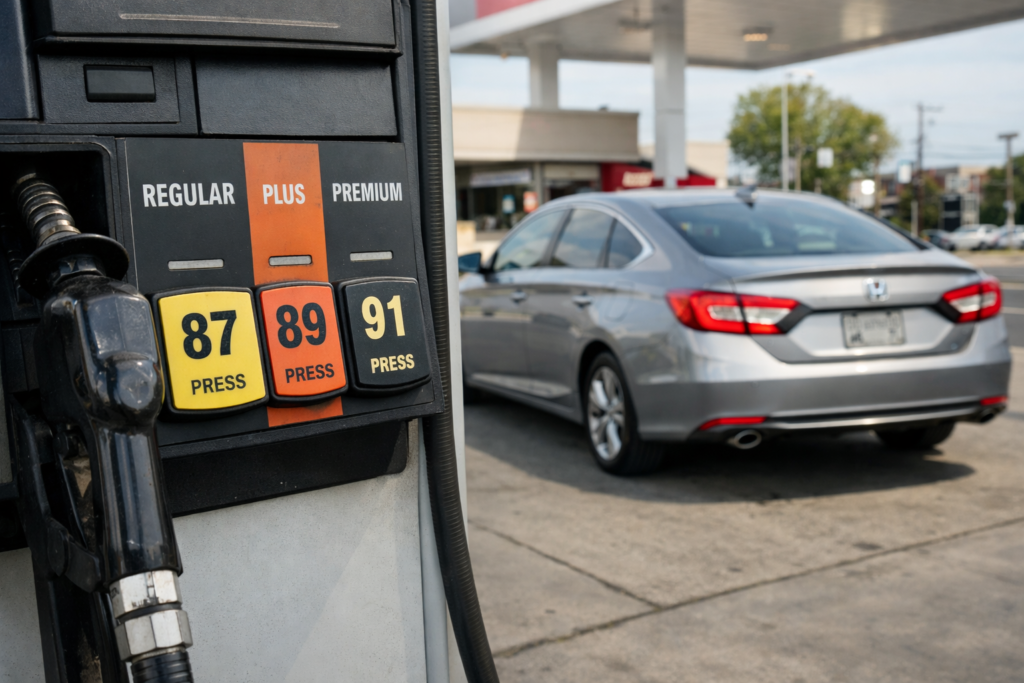
As someone who has answered this question countless times, the most common concern I hear is whether a Honda Accord actually needs premium fuel.
The answer is no not for stock, unmodified vehicles.
Worried about fuel costs long-term? Here is how many miles a Honda Accord can realistically last.
Also Read: How Many Miles Can A Honda Accord Get?
Does It Need Premium?
Honda has been very clear over the years: no current Accord is engineered with a requirement for premium gasoline. Even the 1.5L turbocharged engine is tuned from the factory to run safely and efficiently on 87 octane.
Benefits and Myths of Premium Gas:
Myth: Premium gas gives more power and better mileage.
Reality: In controlled testing and real-world driving, most owners see 0 to 2% improvement in fuel economy and virtually no measurable horsepower gain on stock Accords when using premium fuel.
Many Accord owners assume premium fuel automatically improves power or mileage. In real-world driving, that expectation rarely matches reality. On stock Honda Accord engines, premium fuel may feel slightly smoother under heavy load, such as climbing steep hills or sustained highway acceleration, but measurable gains in horsepower or fuel economy are usually within the margin of error. For daily driving, the difference is often impossible to notice.
Switching Between Grades:
You can safely switch between regular and premium at any time. The engine computer adapts within a few drive cycles. There is no need to flush the tank.
In my own Accord, switching back to regular 87 octane after running premium for several tanks made no measurable difference in power, fuel economy, or drivability.
Read Honda’s official fuel recommendation page Honda Fuel Recommendations
What Gas Should Different Accord Models Use?
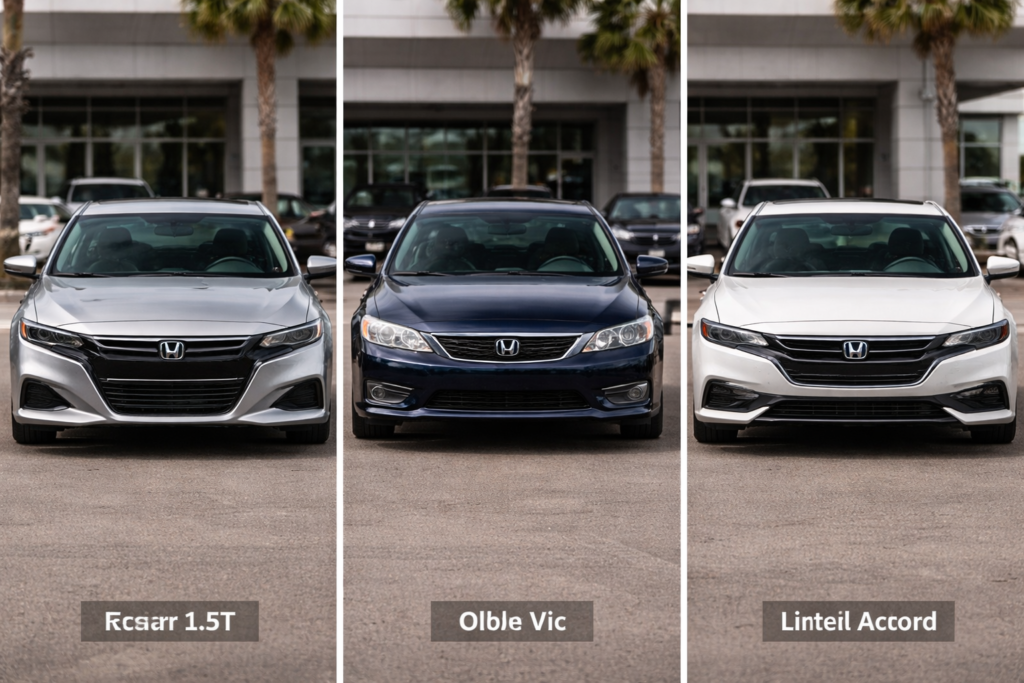
Fuel requirements vary slightly depending on the engine and model year.
Gasoline Models: (1.5L Turbo – 2018 to 2026)
- Recommended: 87 octane regular unleaded
- Optional: 89 or 91 octane
- Not recommended: Anything below 87 or E85
V6 Engines: (Older Models – up to 2017)
The 3.5L V6 also officially requires 87 octane. Many owners reported smoother idle and slightly better throttle response on 89 or 91 but no significant power increase.
Hybrid Variants: (e:HEV / eCVT)
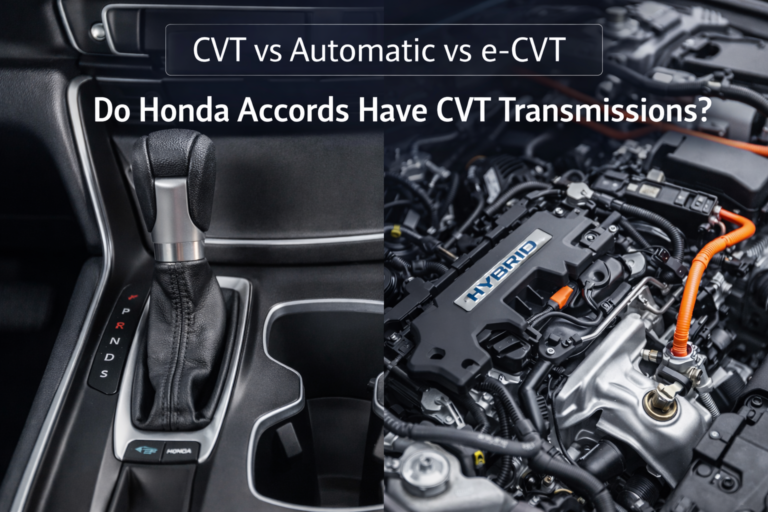
Honda Accord Hybrids use an Atkinson-cycle 2.0L engine paired with electric motors.
Fuel requirement: Regular 87 octane unleaded. The hybrid system is even more tolerant of fuel quality variations thanks to the electric motor assistance.
| Accord Type | Engine | Recommended Octane | Ethanol Limit | Notes |
| 1.5L Turbo (2018 to 2026) | Gasoline | 87 | E10 max | Premium optional, not required |
| 2.0L Hybrid (2023 to 2026) | Hybrid | 87 | E10 max | Excellent efficiency on regular |
| 3.5L V6 (2008 to 2017) | Gasoline | 87 | E10 max | Higher octane gives minor benefit |
Does Octane Rating Actually Affect Accord Performance?
Modern Honda engines are far more intelligent than most drivers realize, especially when it comes to fuel management.
What Octane for Your Accord?
For daily commuting, city driving, highway cruising 87 octane is sufficient.
Is There Any Real Performance Difference by Octane?
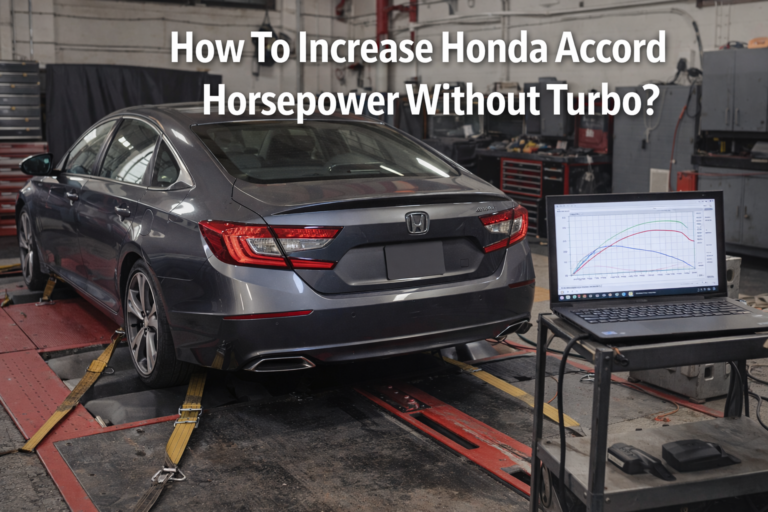
Dyno tests and owner reports show:
- 0 to 3 hp difference (within margin of error) between 87 and 93 octane
- 0 to 1.5 mpg gain possible under aggressive driving
- No difference in normal driving conditions
Knock Sensors Role:
Honda’s knock sensors continuously monitor for detonation and retard timing if needed protecting the engine even if lower-quality fuel is used occasionally.
Is Ethanol-Blended Fuel Safe for Honda Accord?
Ethanol is one of those fuel topics that causes confusion, even among experienced car owners.
If you are thinking about fuel quality, you should also know what the B1 service light really means.
Also Read: What Does B1 Mean On A Honda Accord?
E10 Compatibility:
E10 (10% ethanol) is completely safe and approved for all Honda Accords.
Why Avoid E85?
E85 contains 51 to 83% ethanol and is not compatible with Accord fuel systems. Using E85 can cause:
- Fuel system corrosion
- Poor cold-start performance
- Reduced fuel economy (20 to 30%)
- Potential long-term engine damage
Ethanol Effects on Efficiency:
Ethanol has less energy per gallon than pure gasoline so higher ethanol blends reduce MPG.
Is Top Tier Gas Worth It for Honda Accord Engines?
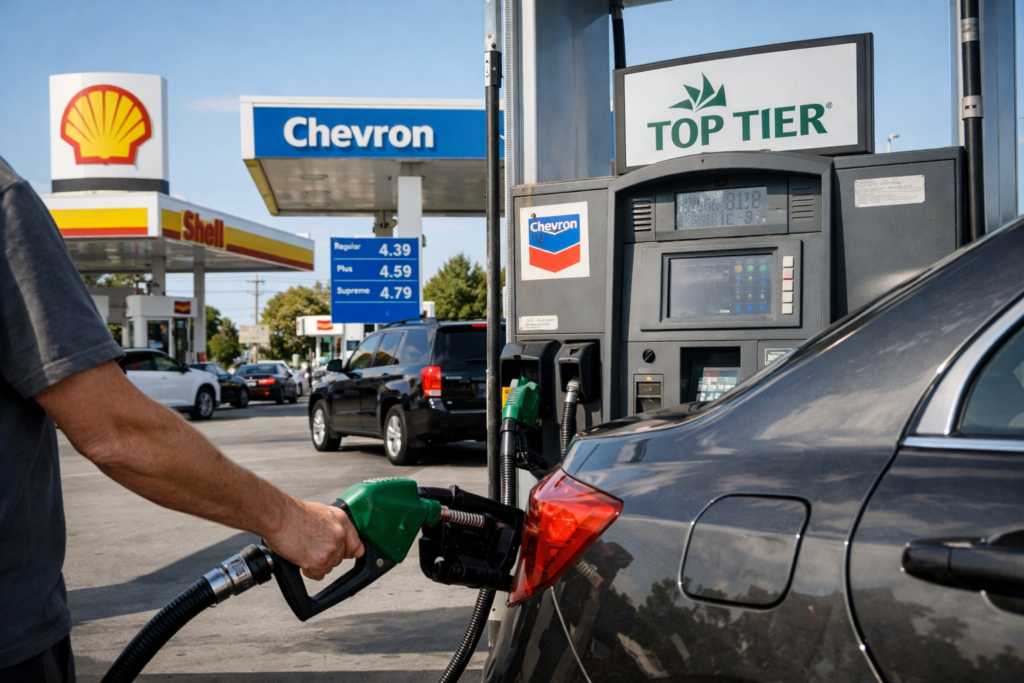
Top Tier gasoline contains higher levels of detergent additives.
What Is Top Tier?
A voluntary standard created by major automakers (including Honda) requiring better cleaning agents than the EPA minimum.
Advantages for Accord:
- Cleaner fuel injectors
- Reduced carbon buildup on valves (especially important for direct-injection 1.5L turbo engines)
- Slightly better long-term fuel economy and performance
Finding Top Tier Stations:
Look for the Top Tier logo at major brands: Shell, Chevron, Exxon, BP, Costco, etc.
Official Top Tier gasoline list TopTierGas.com
What MPG Should You Expect from 2025 to 2026 Accords?
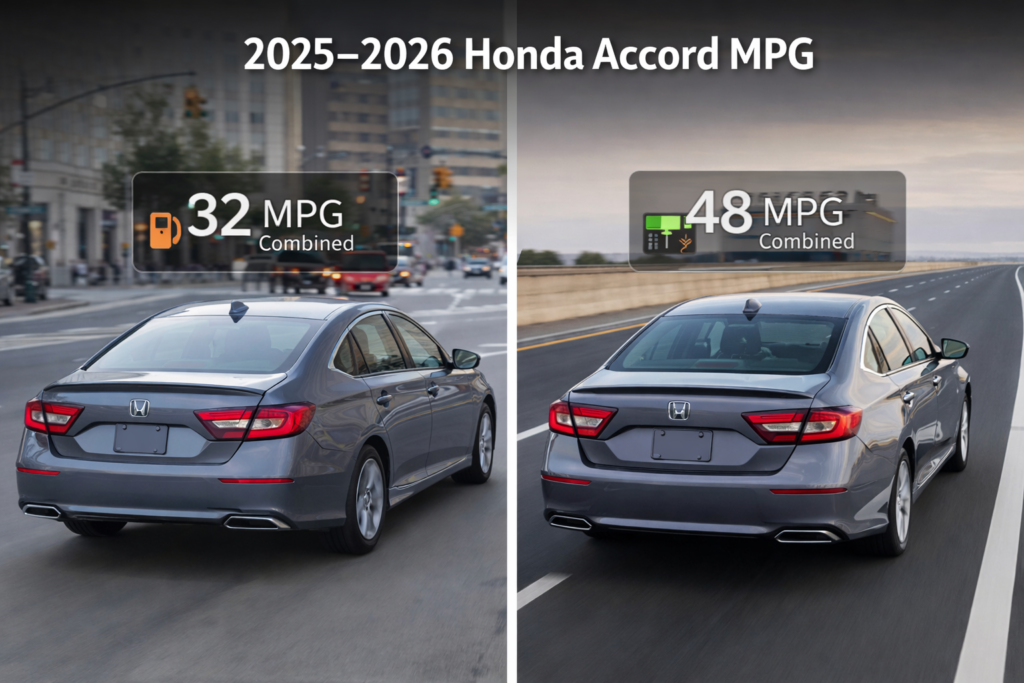
EPA estimates for the latest Accords:
- 1.5L Turbo Sedan 29 city / 37 highway / 32 combined
- 2.0L Hybrid Sedan 51 city / 44 highway / 48 combined
Factors Affecting Real-World MPG:
- Driving style (aggressive acceleration reduces efficiency)
- Tire pressure
- Use of climate control
- Fuel quality (Top Tier helps)
- Ethanol content
Hybrid vs. Gas Efficiency:
The hybrid can return 45 to 52 mpg in real-world mixed driving nearly double the turbo gas model.
What Problems Can Bad or Wrong Fuel Cause?
Fuel issues can sometimes look like electrical problems and repairs are not always cheap.
Also Read: Honda Accord Alternator Replacement Cost?
Signs of Bad or Wrong Fuel:
- Engine knocking / pinging under load
- Rough idle
- Reduced power
- Poor fuel economy
- Check Engine Light (misfire codes)
Storage and Shelf Life:
Gasoline degrades after 3 to 6 months. If storing your Accord for long periods, use a fuel stabilizer.
Warranty Implications:
Using fuel outside Honda’s recommendations (e.g., E85, octane below 87 repeatedly) can void warranty coverage for fuel-related repairs.
Which Fuel Works Best in Hot or High-Load Conditions?
Honda Accord engines are calibrated to operate safely on 87 octane (AKI) regular unleaded fuel, even in high ambient temperatures or under sustained load. The engine control unit (ECU) continuously adjusts ignition timing using knock sensor feedback to prevent detonation.
In extreme heat, prolonged high-speed driving, or when carrying heavy loads, some older or high-mileage engines may exhibit mild knock or reduced smoothness. In those cases, mid-grade or premium fuel can slightly reduce ignition retard, but it is not required for engine protection or reliability.
Fuel quality has a greater impact than octane rating. Consistent use of clean, detergent-rich gasoline helps maintain injector performance, reduces carbon buildup, and supports stable combustion in demanding conditions.
Key takeaway:
For all normal driving conditions, 87 octane remains the correct fuel choice. Higher octane may offer marginal smoothness benefits in extreme scenarios but does not provide measurable power or efficiency gains in stock Honda Accord engines.
How Can You Improve Honda Accord Fuel Efficiency?
Small habits may not feel important day to day, but over thousands of miles they make a noticeable difference.
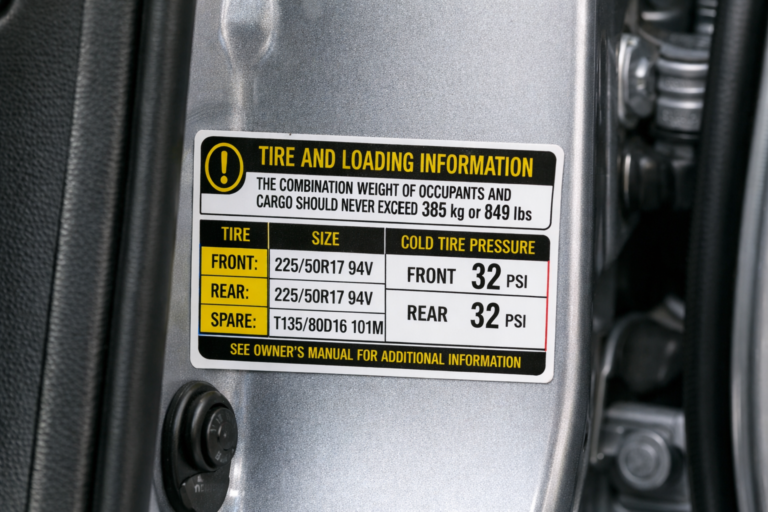
- Keep tires at recommended pressure
- Use cruise control on highways
- Minimize idling
- Remove excess weight from trunk
- Use AC wisely
- Choose Top Tier fuel
- Perform regular maintenance (air filter, spark plugs)
Cost Savings Example
Switching from premium to regular (assuming 1,000 liters/year and PKR 20/liter price difference) saves approximately PKR 20,000 per year.
What Fuel Mistakes Do Accord Owners Commonly Make?
Over the years, I have seen many Accord owners spend unnecessary money or create problems simply because of bad fuel advice.
Over the years, I have seen Accord owners create fuel-related problems without realizing it. Some buy premium gas just to be safe, others reset the system without addressing real issues, and a few experiment with higher ethanol blends because they are cheaper. In most cases, these choices waste money or shorten component life rather than improving performance.
What Fuel Practices Do Long-Term Accord Owners Follow?
- For daily drivers: Stick with 87 octane Top Tier best value.
- For spirited drivers / hot climates: Try 89 or 91 octane for a few tanks and monitor MPG and smoothness.
- High-mileage turbo Accords: Premium fuel + regular oil changes helps prevent carbon buildup.
- Hybrid owners: Regular 87 is perfect the electric motor masks any minor fuel quality differences.
- Long-term ownership: Keep receipts for Top Tier fuel in case of future fuel-related warranty claims.
FAQ’s:
Does a Honda Accord need premium gas?
No Honda recommends regular 87 octane unleaded for all current Accord models.
What octane gas does a Honda Accord take?
87 octane (regular) is the official recommendation. Higher octane is optional.
Is E85 safe for Honda Accord?
No. Avoid E85 it can damage fuel system components and reduce performance.
What fuel does the Honda Accord hybrid take?
Same as gasoline models regular 87 octane unleaded with up to 10% ethanol.
Does premium gas improve mileage in Honda Accord?
Usually 0 to 2% better MPG at most. The difference is rarely worth the extra cost.
Conclusion:
What gas does a Honda Accord take? Almost every gasoline and hybrid Accord is engineered to run happily on regular 87 octane unleaded fuel with up to 10% ethanol. Premium fuel is safe to use, but for most Accord owners, it is not necessary and rarely delivers value for the extra cost. Choosing Top Tier gasoline, avoiding E85, and following good maintenance practices will give you the best combination of performance, longevity, and fuel economy.
Confirm your specific model’s recommendation in the owner’s manual, stick with the correct fuel, and drive knowing your engine is getting exactly what it was designed for.