Honda Accord Common Maintenance Issues (Problems, Costs & Fixes)
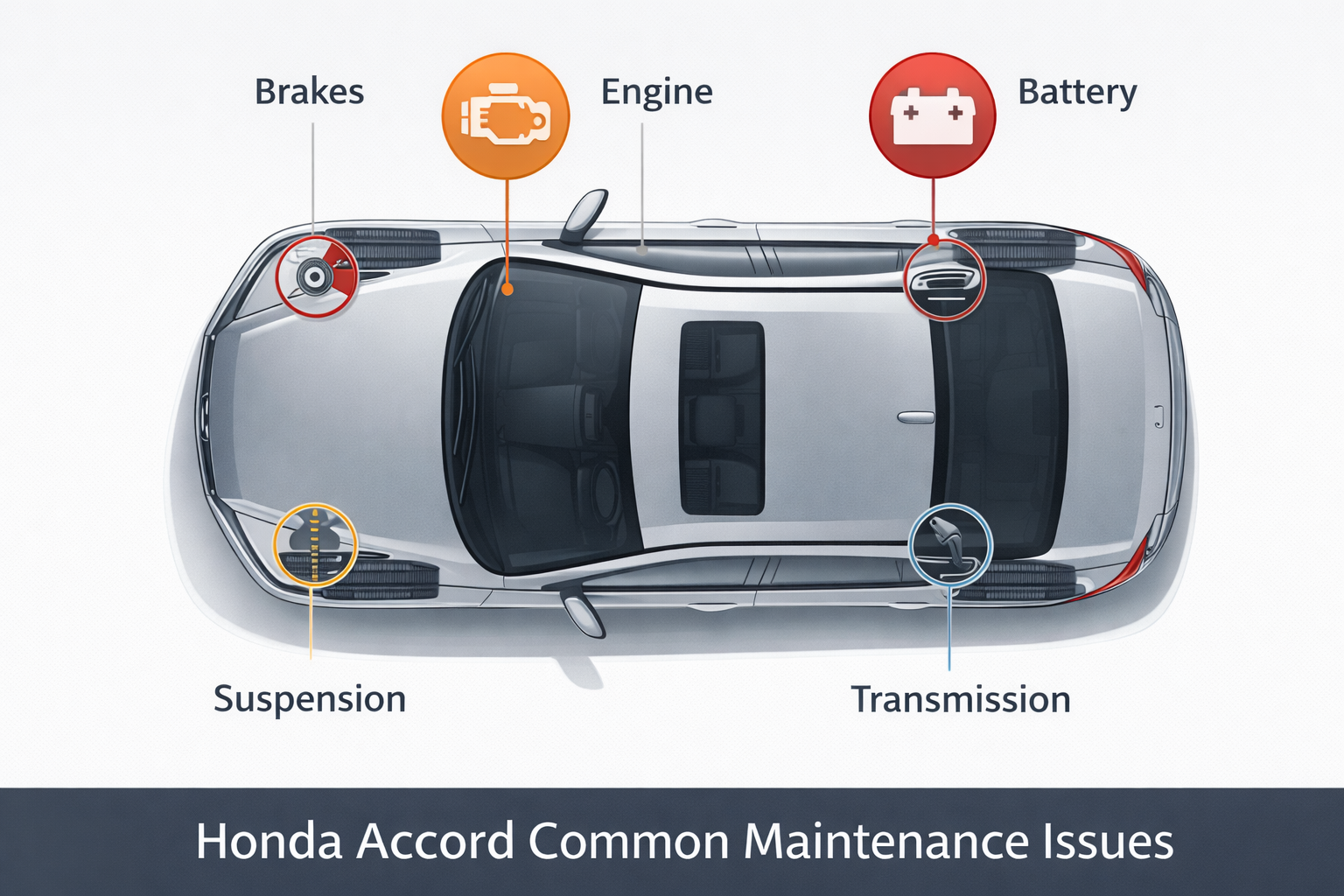
The most common Honda Accord maintenance issues include brake pad wear, battery replacement, suspension noise, and occasional electrical faults. Most of these problems appear after high mileage or delayed maintenance and can usually be prevented with regular servicing.
In this guide, we explain the Honda Accord common maintenance issues, why they occur, and how proper maintenance can keep the vehicle running smoothly for many years.
What Maintenance Problems Do Honda Accords Usually Have?
Some maintenance problems occur more often than others due to normal wear and tear on parts. These issues are commonly reported by mechanics and Accord owners across different model years.
- Brake pad wear: Accords tend to wear brake pads faster, especially in city driving.
- Battery replacement: Usually needed every 3–5 years, depending on climate.
- Air filter clogging: Dirty filters reduce engine efficiency and cabin airflow.
- Transmission fluid degradation: Delayed fluid changes can cause rough shifting.
In many repair shops, brake pads and batteries are among the most frequently replaced parts on high-mileage Accords. Most of these issues are not serious failures. They are routine maintenance items that appear when the vehicle reaches higher mileage or misses scheduled servicing.
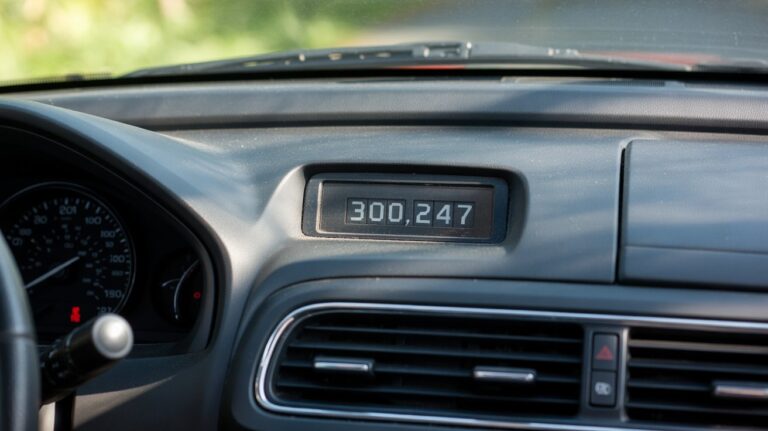
If you look at owner reports and repair shop data, most problems are predictable and preventable. With proper servicing, many Accords easily pass 200,000 miles, which is why the model still ranks among the most reliable family sedans. Many long-term owners report driving their Accords past 250,000 miles with only routine maintenance such as brakes, fluids, and spark plugs.
Quick Insight: Many mechanics say brake pads, batteries, and air filters are the most frequently replaced maintenance items on high-mileage Honda Accords. These parts naturally wear out and are considered routine service rather than major repairs.
Why Do Some Honda Accords Develop Engine Problems?
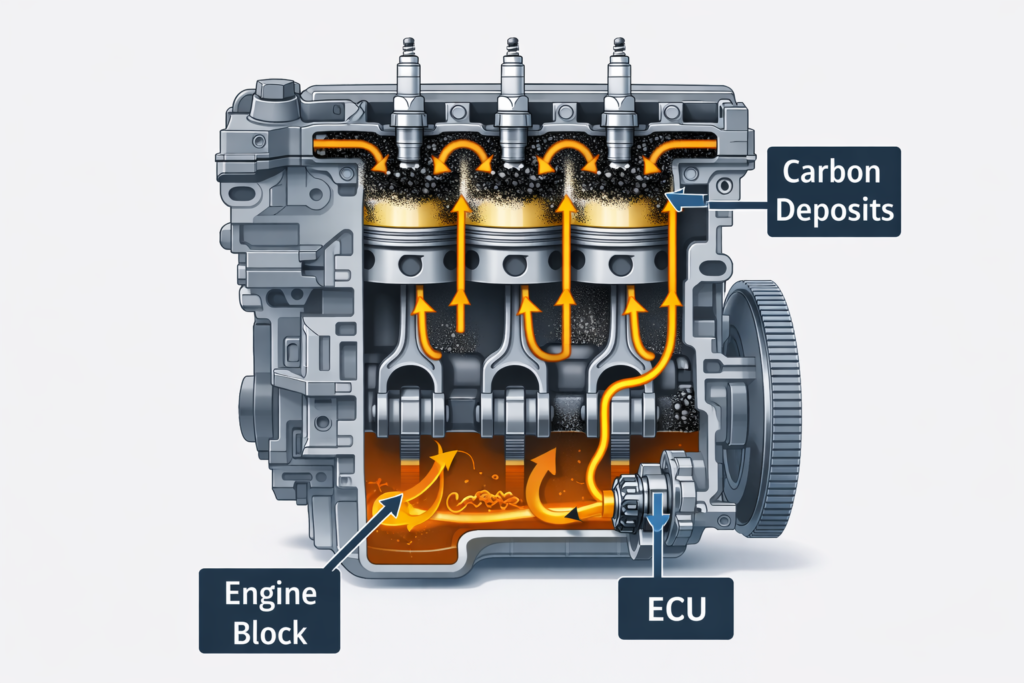
Serious engine failures are rare in the Honda Accord, but some models may still develop engine issues if maintenance is ignored. Earlier Accords (2008 to 2012) sometimes showed excessive oil consumption, while newer turbo engines require proper oil changes to stay reliable.
Ignoring oil service intervals is one of the biggest reasons engine problems appear.
Common Engine-Related Causes
- Low engine oil: Running low on oil can cause overheating and internal wear.
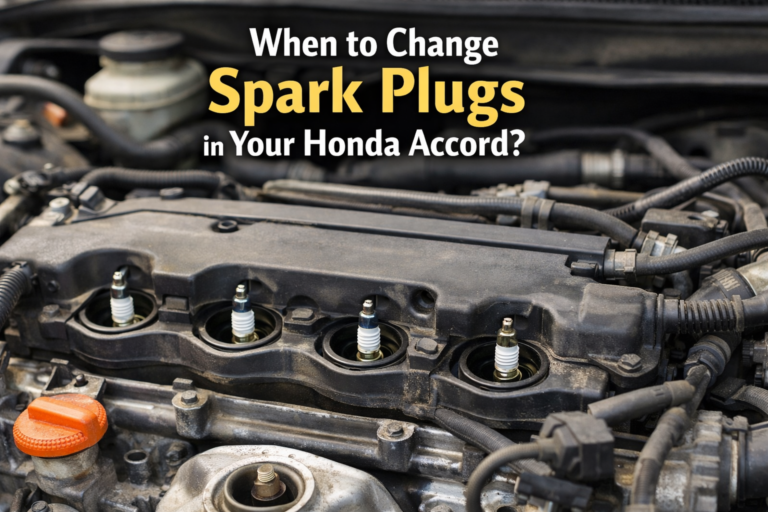
Dirty spark plugs: Worn plugs lead to misfires and poor acceleration. - Carbon buildup: Turbo engines in newer Accords can develop deposits over time.
Mechanics often say that consistent oil changes are the single most important factor in keeping Accord engines reliable.
In real-world cases, many owners fix these problems simply by returning to regular maintenance schedules.
Read Guide: When to Get an Oil Change for Honda Accord?
Are Transmission Problems Common in the Honda Accord?
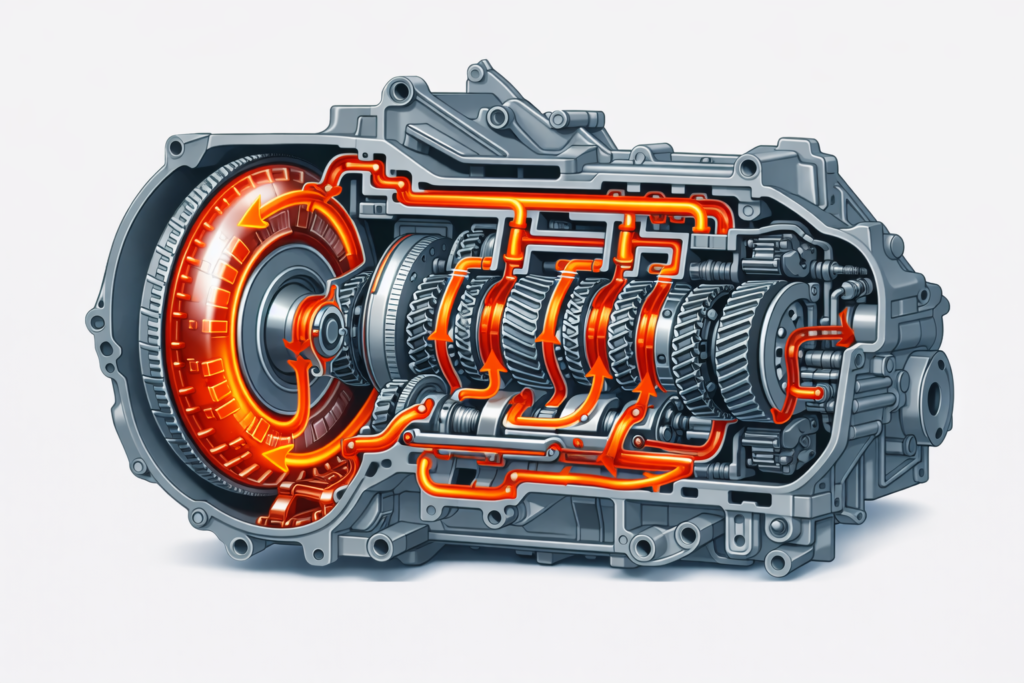
Transmission issues were more common in early 2000s Accord models, especially automatic transmissions. Newer models with CVT systems (2018 to 2026) generally perform better but still require regular fluid replacement.
If drivers notice delayed shifting or jerking during acceleration, it often signals a maintenance issue rather than a complete transmission failure.
| Transmission Issue | Typical Cause | Common Model Years |
| Delayed gear shifting | Old transmission fluid | 2003 to 2010 |
| Transmission slipping | Internal wear or overheating | 2005 to 2012 |
| CVT hesitation | Fluid degradation | 2018 to 2023 |
Many transmission problems start when fluid changes are delayed for too long, which is why mechanics recommend servicing transmission fluid at regular intervals.
Why Do Honda Accord Brakes Wear Out Faster?
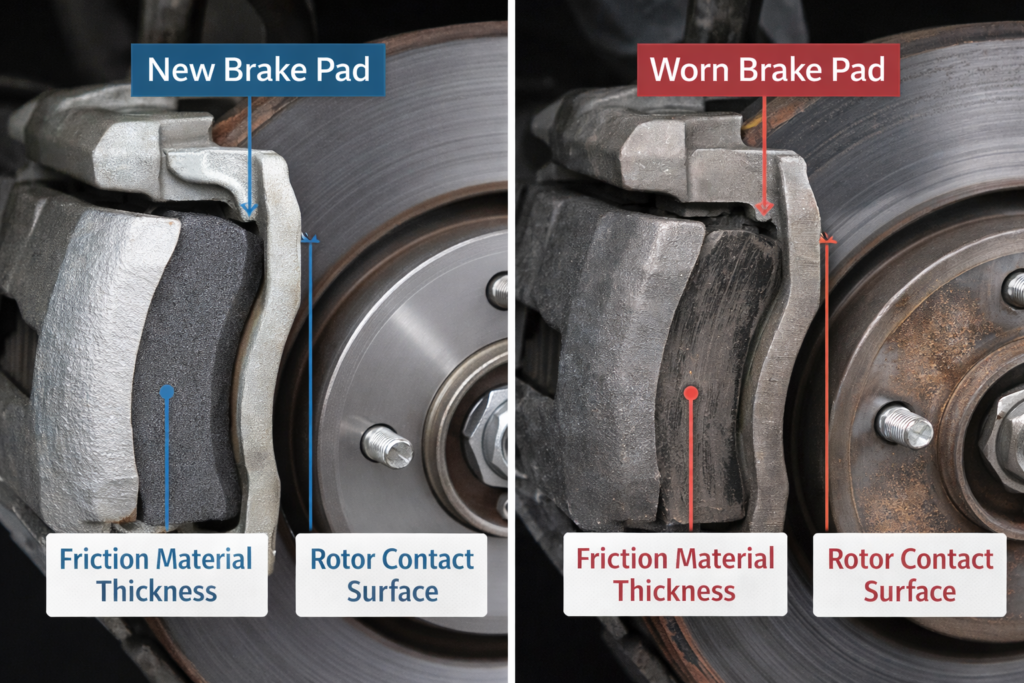
Brake wear is one of the most reported maintenance concerns in Accord models. The car’s braking system is designed for strong stopping power, but that also means brake pads can wear more quickly, especially in heavy traffic areas.
Stop-and-go traffic puts extra pressure on the braking system, which is why city drivers usually replace pads sooner than highway drivers.
Signs of Brake Wear
- Squealing noise: Indicates worn brake pads.
- Steering vibration: Often caused by warped brake rotors.
- Longer stopping distance: Clear sign pads need replacement.
Many mechanics recommend checking brake components every 20,000 to 30,000 miles to avoid safety issues. Stop-and-go traffic puts extra pressure on the braking system
What Electrical Issues Occur in the Honda Accord?
Most electrical issues reported by Accord owners are minor and related to aging components. But it can become more frequent as vehicles age. Owners of some Accord generations have reported starter motor failures or battery drain problems.
These problems are often related to aging electrical components rather than design flaws.
Common Electrical Problems
- Starter motor failure: Some 2013 to 2017 models experienced starter wear earlier than expected.
- Alternator issues: Older Accords may develop charging problems after high mileage.
- Infotainment glitches: Some 2018+ models experienced touchscreen software bugs.
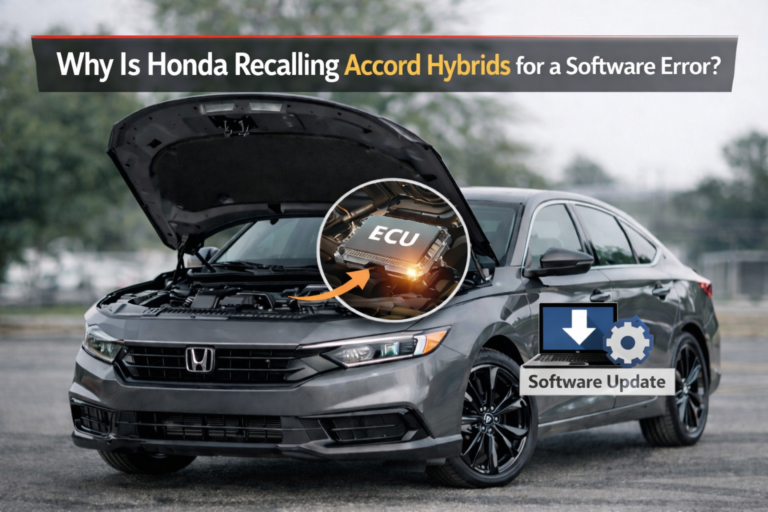
Many electrical issues can be resolved by replacing worn components or updating the vehicle’s software.
Also Read: Honda Accord Remote Start Not Working?
Why Does the Honda Accord Suspension Make Noise?
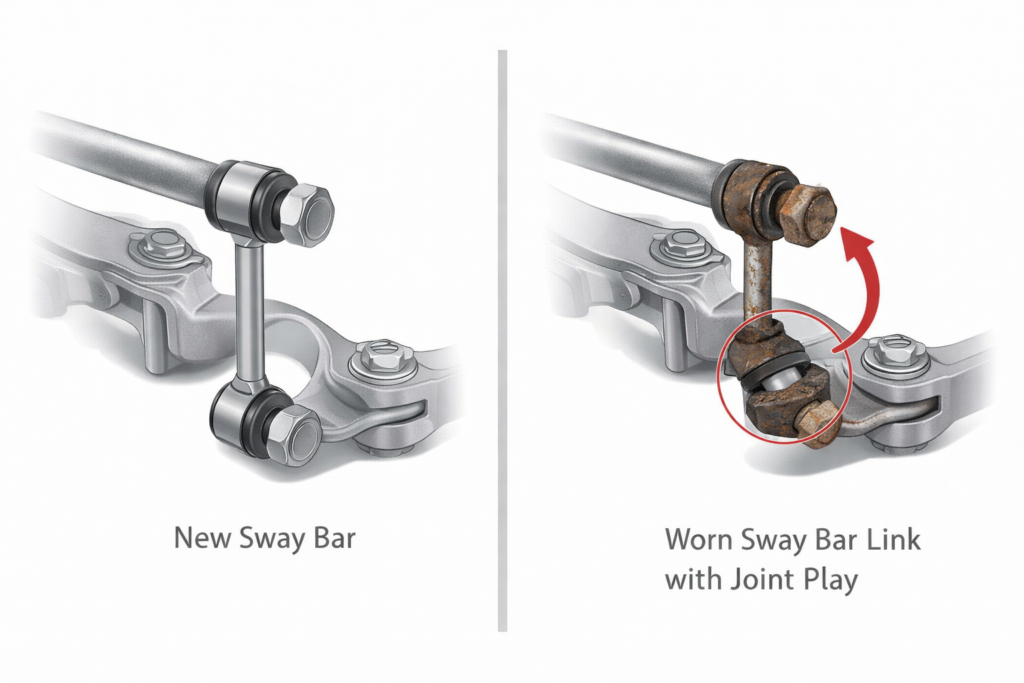
Suspension noise is another issue some owners notice as the vehicle gets older. Components like bushings and control arms naturally wear over time, especially on rough roads.
Rough roads and potholes can accelerate suspension wear, especially in vehicles with higher mileage.
Drivers may hear knocking sounds when driving over bumps or uneven surfaces.
Typical Causes of Suspension Noise
- Worn control arm bushings: These rubber parts crack with age.
- Loose sway bar links often cause rattling sounds on uneven roads.
- Old shock absorbers: Reduce ride comfort and create noise.
Regular suspension inspections help detect these issues early before they affect handling.
Which Honda Accord Model Years Have More Issues?
Some model years reported more maintenance concerns than others. This does not mean the cars are unreliable, but certain generations had specific issues that owners should be aware of.
| Model Years | Common Problems |
| 2003 to 2007 | Automatic transmission failures |
| 2008 to 2012 | Brake wear and oil consumption |
| 2013 to 2017 | Starter motor problems |
| 2018 to 2022 | Infotainment and turbo engine concerns |
| 2023 to 2026 | Hybrid software recall reports |
These issues are based on common owner reports and mechanic observations across multiple Accord generations. Even with these concerns, many of these vehicles remain dependable when properly maintained.
What Maintenance Is Needed at Different Mileage?
Routine maintenance plays a major role in keeping the Accord reliable. Mechanics usually follow mileage-based service intervals to prevent mechanical problems.
| Mileage | Recommended Maintenance |
| 30,000 miles | Replace the air filter and the cabin filter |
| 60,000 miles | Change transmission fluid |
| 90,000 miles | Replace spark plugs |
| 120,000 miles | Timing belt replacement (older engines) |
Following these intervals helps prevent many of the common maintenance issues mentioned earlier.
Mechanic Tip: Many mechanics recommend checking brake pads and suspension components during every oil change, especially once the vehicle passes 100,000 miles.
What Is the Average Maintenance Cost of a Honda Accord?
Honda Accord maintenance costs are relatively low compared with those of many midsize sedans. Compared with some midsize competitors, the Accord usually has lower long-term maintenance costs due to its durable engine and widely available replacement parts. Most owners spend a few hundred dollars per year on routine service.
Typical repair costs can vary depending on the type of maintenance required.
| Repair Service | Estimated Cost |
| Brake pad replacement | $150 to $300 |
| Alternator replacement | $400 to $800 |
| Starter motor replacement | $300 to $700 |
| Transmission repair | $2000 to $4000 |
Costs may vary depending on labor rates, location, and whether genuine Honda parts are used. Because many repairs are predictable wear items, budgeting for routine service can prevent unexpected expenses.
How Can You Prevent Honda Accord Maintenance Problems?
Preventive Honda Accord Common Maintenance Issues maintenance is the best way to keep the Accord running smoothly for years. Many experienced owners follow simple habits that reduce the risk of common issues.
- Follow the service schedule: Regular oil and fluid changes protect the engine and transmission.
- Inspect brakes regularly: Early inspection prevents rotor damage.
- Replace filters on time: Clean filters improve airflow and engine efficiency.
- Monitor warning lights: Dashboard alerts often signal small issues before they become major repairs.
- Preventive maintenance is the main reason many Honda Accord owners report long-term reliability.
Drivers who stay consistent with maintenance rarely face serious mechanical failures. In fact, many owners report that their vehicles continue running reliably well beyond 200,000 miles, which is one reason the Honda Accord continues to be considered one of the most dependable midsize sedans by many long-term owners and mechanics.
Mechanics often note that vehicles with consistent service records usually experience far fewer major repairs.
Follow Honda’s official Maintenance Minder system for model-specific intervals on owners.honda.com.
FAQs:
Do Honda Accords have high maintenance costs?
No. The Honda Accord generally has lower maintenance costs than many midsize sedans, with most owners spending a few hundred dollars per year on routine service.
Can regular maintenance prevent most Honda Accord issues?
Yes. Following the recommended service schedule, changing fluids on time, and inspecting brakes regularly can prevent many common Accord maintenance problems.
What is the most common maintenance issue in the Honda Accord?
Brake pad wear is one of the most common issues, especially for drivers who frequently drive in heavy traffic or stop-and-go city conditions.
How long can a Honda Accord last with proper maintenance?
With consistent servicing and timely repairs, many Honda Accords easily exceed 200,000 miles and remain reliable daily drivers.
Do Honda Accord maintenance problems mean the car is unreliable?
No. Most reported issues are normal wear items, and the Accord still ranks among the most dependable midsize sedans when maintained properly.
Conclusion:
Understanding Honda Accord common maintenance issues helps owners stay ahead of potential problems before they become expensive repairs. Most concerns, such as brake wear, suspension noise, or minor electrical faults, are normal maintenance items rather than serious defects. With regular servicing, proper fluid changes, and routine inspections, the Accord can remain dependable for well over 200,000 miles. This long-term reliability is one reason the Honda Accord continues to be one of the most trusted midsize sedans among drivers worldwide.