What Engine Does a Honda Accord Have? (Engine Guide)
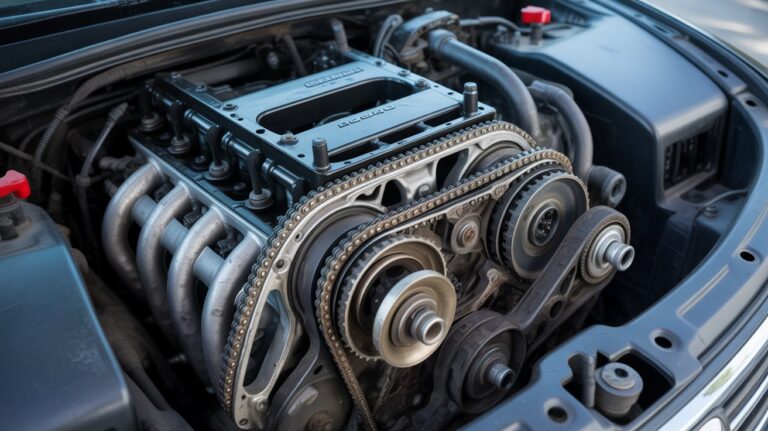
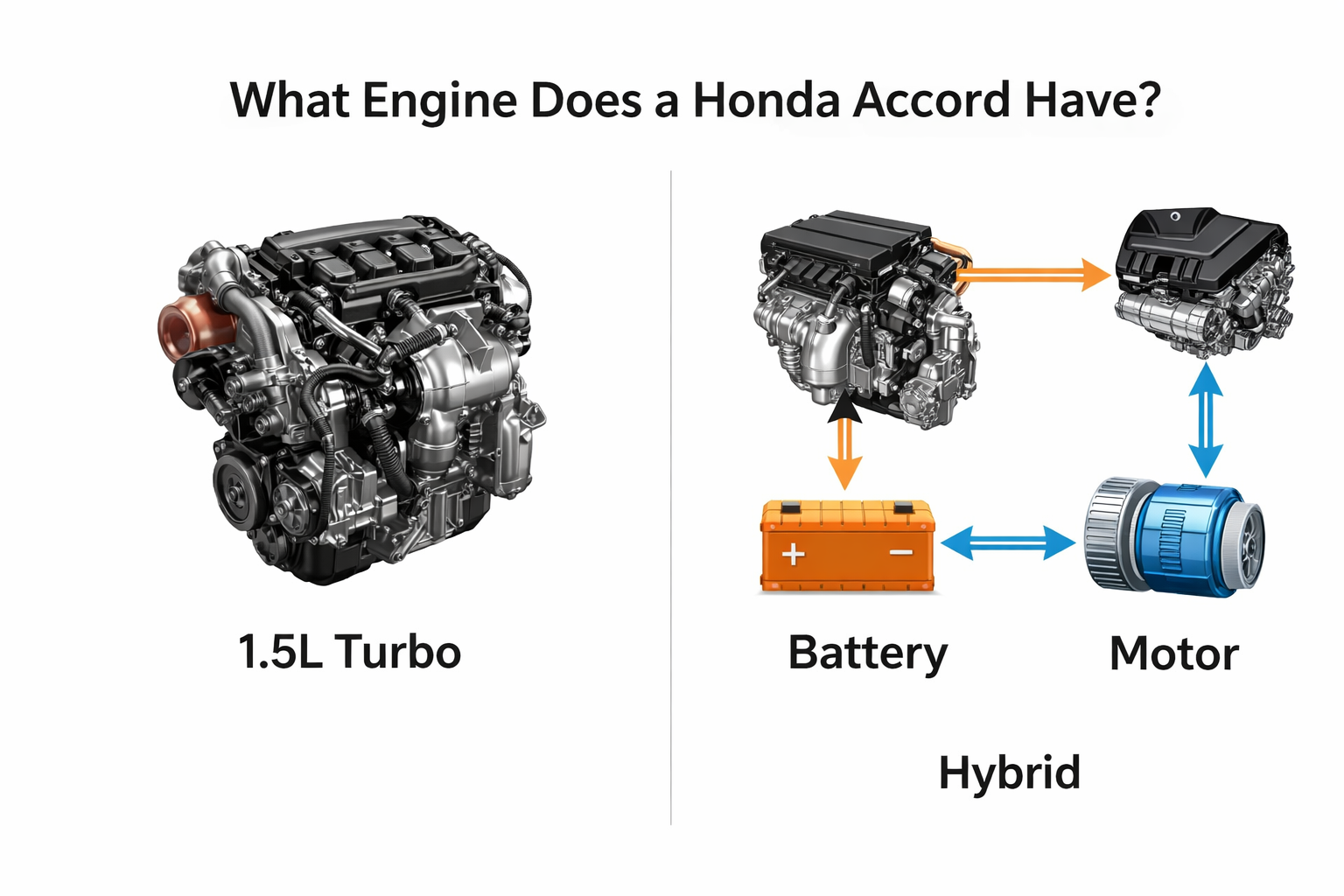
The Honda Accord comes with a 1.5L turbocharged engine or a 2.0L hybrid powertrain in modern models. Older versions had naturally aspirated engines and V6 options, but current models focus on fuel efficiency, smooth performance, and hybrid technology.
This guide breaks it down in simple terms, including real-world performance, common issues, and what actually matters: what engine does a Honda Accord have?
What engines are available in the 2026 Honda Accord?
What Engine Does a Honda Accord Have? The 2026 Honda Accord comes with two main engine options. One is a turbocharged gas engine, and the other is a hybrid system designed for better fuel economy and smoother driving.
- 1.5 L turbocharged inline-4 (standard gas engine)
- 2.0 L hybrid with electric motor (higher trims)
Both are front-wheel drive and tuned for daily comfort, not aggressive performance.
How does the 1.5 L turbo engine perform?
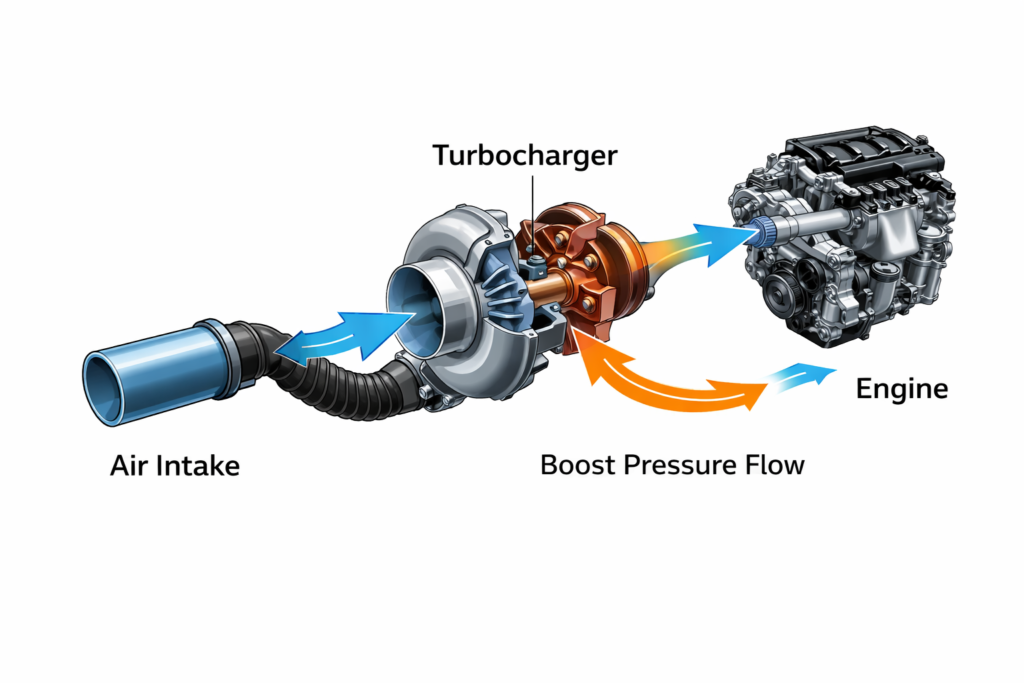
The 1.5 L turbo engine is built for balance. It gives decent power for city and highway driving without burning too much fuel.
It produces around 192 horsepower and feels responsive at low speeds thanks to turbo boost. On highways, you will notice it feels weaker compared to larger engines, especially under load.
In real-world driving, many owners report the 1.5T feels fine in the city but slightly underpowered on highways, especially with full passengers. Some high-mileage users (above 100k miles) have also reported head gasket issues, which is something to keep in mind long-term.
What makes the 2.0 L hybrid powertrain different?
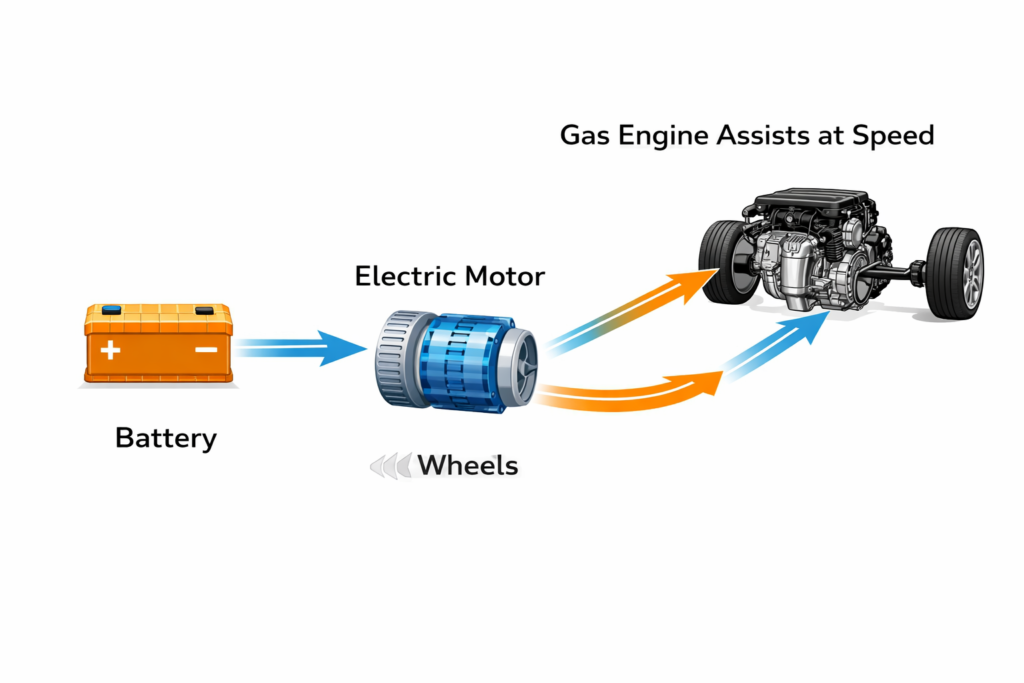
The hybrid system is not just about saving fuel; it changes how the car drives. It uses an electric motor most of the time, which makes acceleration feel instant and quiet.
- The electric motor handles low-speed driving
- Gas engine supports at higher speeds
- No traditional gear shifting feel
This setup feels smoother than the gas version, especially in traffic.
In daily traffic, the hybrid often feels quicker than the turbo version because electric torque kicks in instantly. Many drivers also report getting much better fuel economy than official numbers in city driving.
Should you choose a gas engine or a hybrid?
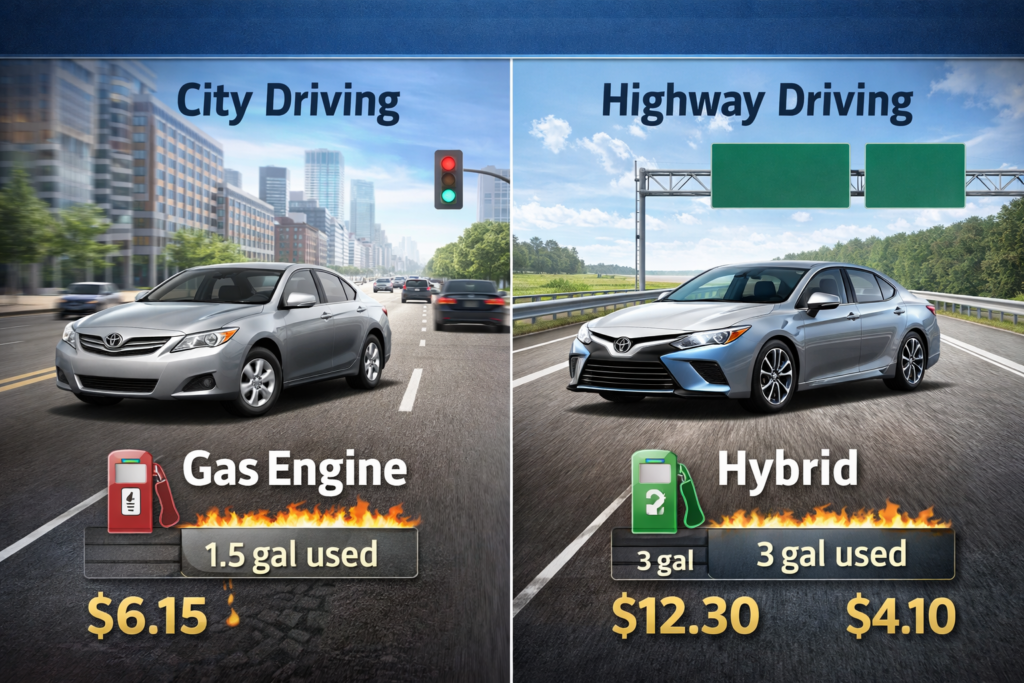
This depends on how you actually drive, not what sounds better on paper.
- Choose 1.5T if you want a lower upfront cost
- Choose a hybrid if you drive daily in traffic
- Hybrid saves more fuel long-term
- A gas engine is simpler and cheaper to maintain
Most people underestimate how much fuel the hybrid saves in real city use; it adds up fast.
| Feature | 1.5L Turbo | 2.0L Hybrid |
| Power Feel | Average | Quick in the city |
| Fuel Use | Good | Excellent |
| Maintenance Cost | Lower upfront | Lower over time |
| Driving Feel | Normal | Quiet and refined |
In the long run, the hybrid usually has lower maintenance costs because it puts less stress on the engine in stop-and-go traffic.
Are Honda Accords still using V6 engines?
No, Honda stopped offering V6 engines in the Accord after 2017. They replaced it with smaller turbo engines and hybrids.
- Older models (pre-2018) had V6 options
- New models use turbocharged 4-cylinders
- The hybrid replaced the V6 for efficiency
Honestly, the old V6 felt smoother and had more power, especially on highways. But today’s engines are built for fuel economy, not raw power.
How reliable are Accord engines in real-world use?
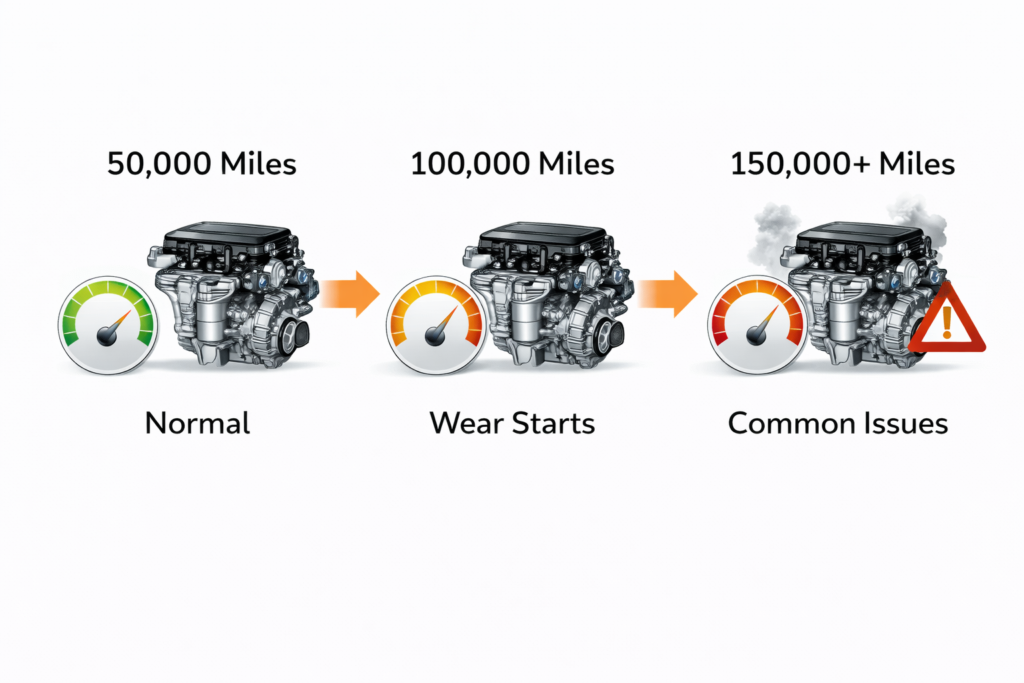
Most people assume Honda engines are perfect, but that is not always the full story. Honda Accord engines are generally reliable, but they are not perfect like many people claim.
The 1.5T engine has had some complaints about head gasket issues at high mileage. The hybrid system, on the other hand, has fewer mechanical parts and tends to be more consistent long-term.
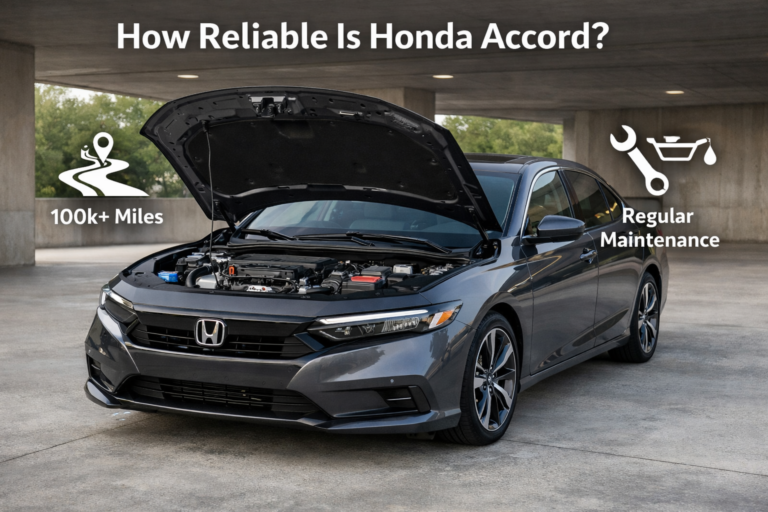
If properly maintained, both can easily exceed 150,000 to 200,000 miles.
Over time, engine longevity depends heavily on maintenance habits, oil quality, and driving style rather than just engine type.
Read Guide: How Reliable Is Honda Accord?
What fuel octane is recommended for these engines?
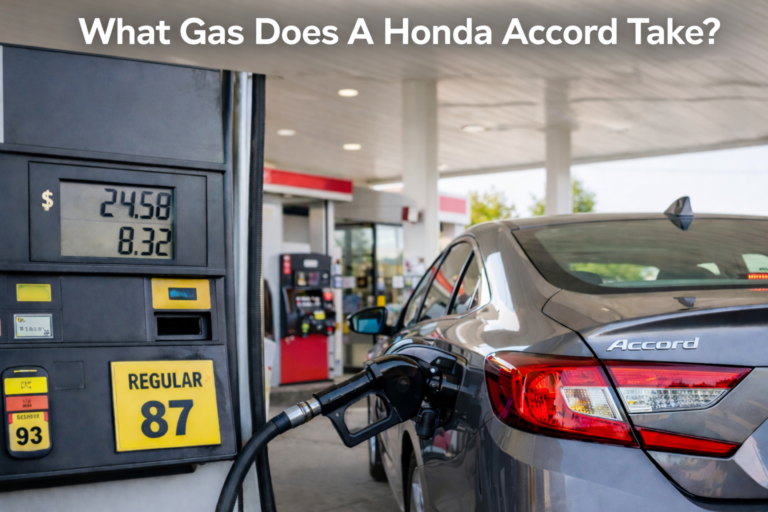
Honda recommends regular fuel, but things are slightly changing with newer models.
- Minimum: 87 octane (standard use)
- Recommended: 91 octane for better performance
- Hybrid also benefits from higher octane
Using higher octane would not transform the car, but it can improve smoothness and engine life slightly.
Turbocharged engines use direct injection, which helps improve fuel efficiency but can increase engine stress over time if low-quality fuel is used.
Also Read: What Gas Does A Honda Accord Take?
How does the hybrid transmission differ from a CVT?
This is where most people get confused. The hybrid Accord does not use a traditional CVT like the gas model.
The gas version uses a CVT, which simulates gear changes. The hybrid uses a direct drive system, meaning it doesn’t shift gears in the normal way.
In real driving, the hybrid feels more natural and less rubber band-like compared to the CVT.
The hybrid system uses an Atkinson-cycle engine, which is designed for efficiency instead of power. This is why it feels smooth but not aggressive like traditional engines.
What are the horsepower and torque figures for each engine?
Here is a quick comparison so you do not get lost in specs.
| Engine Type | Horsepower | Torque |
| 1.5 L Turbo | 192 hp | 192 lb-ft |
| 2.0 L Hybrid | 204 hp (combined) | 247 lb-ft |
The hybrid clearly wins in torque, which is why it feels quicker in everyday driving.
How have Accord engines evolved over the years?
Honda Accord engines have changed a lot over time. Older models focused on power, while newer ones focus on efficiency.
- 1990s to 2000s: Naturally aspirated engines
- 2000s to 2017: V6 introduced and refined
- 2018+: Turbocharged engines replace V6
- 2023 to 2026: Hybrid becomes the main focus
This shift shows Honda is prioritizing fuel economy and emissions over performance.
Which engines are available in the Honda Accord?
The available engines depend on model year and market, but the core lineup is now simple.
- Modern models: 1.5T and 2.0 hybrid
- Older models: 2.4L NA and V6
- Some markets may have slight variations
If you are buying new, you are basically choosing between turbo or hybrid, nothing else.
Which Accord engine is best for you?
If you mainly drive in the city, the hybrid is the better choice because it saves fuel and feels smoother.
If you drive long distances on highways, the 1.5T is simpler and cheaper to maintain.
For most buyers today, the hybrid is the smarter long-term option.
What common problems do Accord engines face?
Even reliable engines have weak points, and the Accord is no exception. No engine is perfect, and ignoring this is a mistake.
- Head gasket issues (mainly 1.5T)
- Oil dilution complaints in older turbo models
- CVT noise under heavy acceleration
- Hybrid battery aging over the long term
Most of these issues appear after high mileage or poor maintenance. Regular servicing reduces the risk a lot.
FAQs
Does the Honda Accord come with a turbo engine?
Yes, most modern Accord models use a 1.5L turbocharged engine as the standard gas option.
Is the Honda Accord hybrid better than the gas version?
Yes, the hybrid offers better fuel economy and smoother acceleration, especially in city driving conditions.
What engine is in the latest Honda Accord?
The latest models come with a 1.5L turbo engine or a 2.0L hybrid system, depending on the trim.
Why did Honda stop using V6 engines in the Accord?
Honda replaced V6 engines with smaller turbo and hybrid setups to improve fuel efficiency and meet emission standards.
Do all Honda Accords have V6 engines?
No, V6 engines were discontinued after 2017 and are not available in current models.
Conclusion
These insights are based on real owner feedback, mechanic observations, and long-term usage patterns.
The Honda Accord engine lineup is simple on paper but very different in real life. The turbo engine is fine for basic use, but the hybrid clearly offers better efficiency and smoother driving. Honda moved away from V6 engines for a reason: less fuel use and modern driving needs. If you choose based on how you actually drive, not just specs, you’ll make a much better decision.