What Does DRL Mean on a Honda Accord? (Complete Guide)
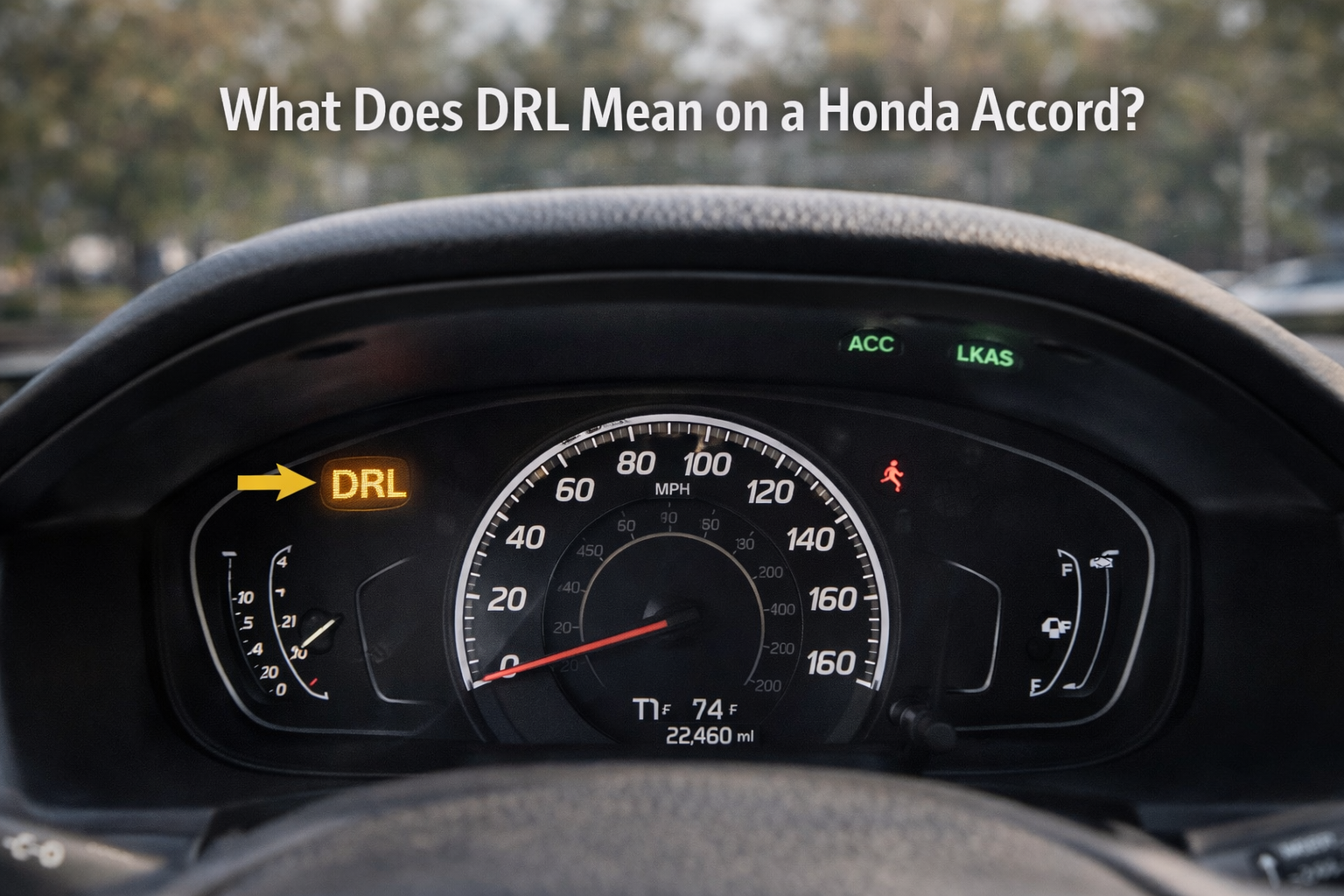
Ever noticed that amber glow on your Honda Accord’s dashboard labelled DRL and wondered if it is signalling a minor glitch or something more serious? As a key safety feature, understanding what DRL stands for on a Honda Accord can help prevent potential issues and enhance your driving experience.
This comprehensive guide covers the meaning, functionality, troubleshooting, and advanced maintenance of Daytime Running Lights, equipping you to address related issues efficiently.
What is DRL and Its Purpose in the Honda Accord?
What Does DRL Mean on a Honda Accord? Daytime Running Lights (DRL) are an essential visibility enhancement system integrated into modern vehicles such as the Honda Accord. These lights activate automatically to make your car more noticeable during daylight hours, reducing the risk of collisions in low-light conditions or heavy traffic.
Definition of DRL:
At its core, DRL refers to low-intensity front lights that turn on whenever the engine is running and the parking brake is released. Unlike traditional headlights, they operate at a reduced power level, typically 70 to 80% of full brightness, to conserve energy while providing sufficient visibility. In Honda vehicles, this system has evolved from halogen bulbs in older models to more efficient LED systems in recent models.
Honda includes DRL as a proactive safety feature to enhance daytime visibility and comply with global regulations. Studies show that vehicles with DRL are detected sooner by other drivers and pedestrians, especially in adverse weather or heavy traffic. For Accord owners, this means added safety without requiring manual activation.
How DRL Works on Honda Accord Models?
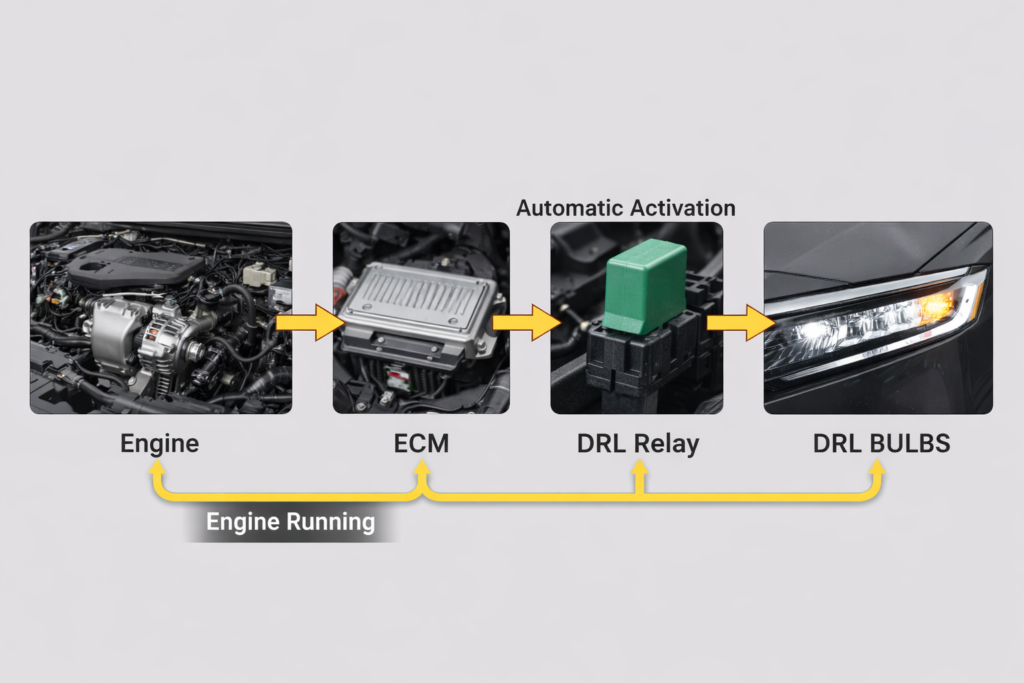
The DRL system in a Honda Accord is seamlessly integrated into the vehicle’s electrical architecture, enabling automatic operation without driver input.
Activation Mechanism:
Upon engine start and parking brake release, the ambient light sensor evaluates conditions. If daylight is detected, DRL engages via the engine control module (ECM), drawing power from the battery through dedicated relays. The system works automatically and integrates with the vehicle’s lighting controls.
Integration with Headlights:
In many Accord trims, DRL uses high-beam bulbs at reduced voltage or dedicated LED strips. For instance, in 2026 models, the system syncs with advanced driver-assistance systems (ADAS) and dims at night to reduce glare. This high beam integration ensures compatibility with auto-dimming features.
On newer Accords, DRL does not operate in isolation; it complements safety features such as blind-spot monitoring to reduce real-world collision risk.
Also Read: Which Honda Accord Has Blind Spot Detection?
Model-Year Variations: (e.g., 2008 vs. 2026)
Older Accords using halogen DRLs tend to experience bulb failures much sooner than newer LED-equipped models. In contrast, the 2026 Accords feature LED DRLs with a lifespan exceeding 50,000 hours, delivering brighter output and improved energy efficiency. Hybrid variants incorporate regenerative braking to minimise battery drain, addressing gaps in earlier designs.
What Does the DRL Warning Light Mean?
I have seen owners come in worried about electrical faults, only to find one DRL bulb had burned out months earlier. The car drove fine, so they never noticed until the inspection failed. Seeing the DRL warning light illuminate on your Honda dashboard indicator can be alarming, but it is often a straightforward alert.
When It Illuminates:
This light typically activates during startup self-checks or when a fault is detected, such as a blown fuse or malfunctioning sensor. It may flash intermittently, indicating the need for immediate diagnostics.
In real driving, most owners never think about DRL until the warning light pops up during inspection or a routine service visit.
Common Triggers:
Triggers include faulty bulbs, wiring issues, or a defective DRL relay. In low-visibility scenarios, the system may trigger if sensors detect inconsistencies, alerting you to reduced safety features.
Safety Implications:
While not an emergency like a brake warning, ignoring it could compromise visibility and increase the risk of an accident.
Common Causes of DRL Issues in the Honda Accord?
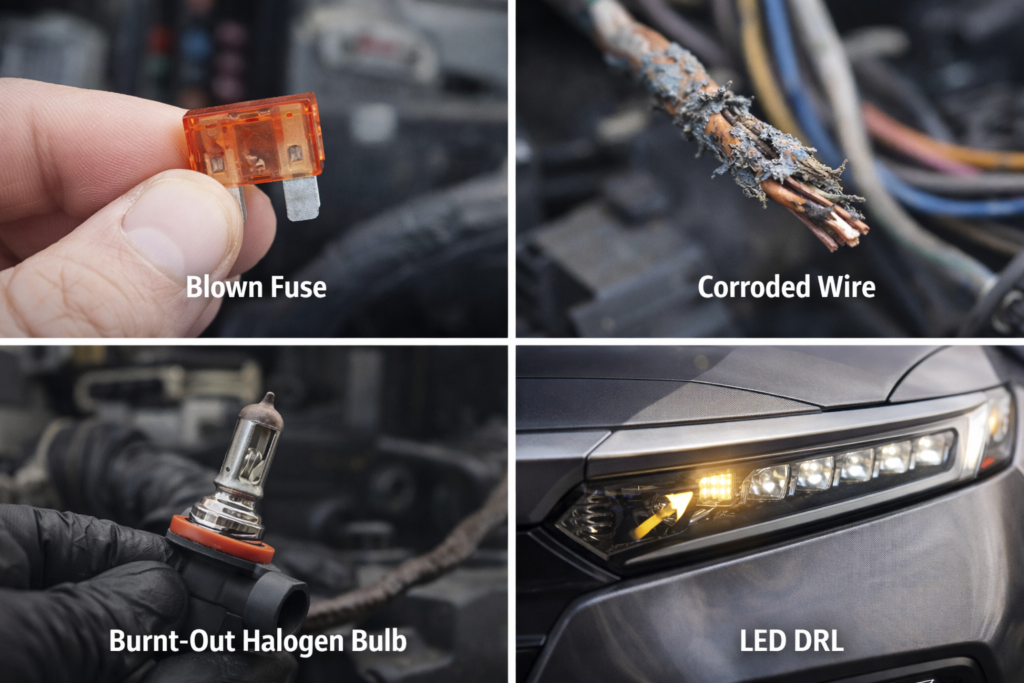
Understanding root causes enables proactive fixes that prevent escalation.
Electrical Problems:
Blown fuses or corroded wiring are frequent culprits, often due to moisture ingress in older Accords. Check the fuse box under the hood for signs of wear.
Sensor and Relay Failures:
The ambient light sensor can fail due to dirt buildup or electrical surges, while relays may overheat after prolonged use. In 2026 models, software glitches in the ECM could mimic hardware faults.
Bulb-Related Causes:
Burnt-out bulbs are the most common, especially in pre-2010 Accords with halogen headlights. LED upgrades in newer models reduce this, but incompatible aftermarket parts can trigger warnings.
Diagnosing DRL Problems Step-by-Step:
Advanced users can perform initial checks before professional intervention.
Basic Checks at Home:
Start by visually inspecting the bulbs and testing them with a multimeter for continuity. Consult the owner’s manual for fuse location,s pull and replace if needed.
Most people start worrying about sensors or software, but in everyday cases, the issue turns out to be a simple bulb or fuse.
Using Tools for Diagnosis:
Employ an OBD-II scanner to read error codes related to the lighting system. For Accord hybrids, specialised tools might be required to interface with the high-voltage components.
When to Seek Professional Help:
If codes indicate relay or sensor issues, visit a certified Honda mechanic. Persistent problems in 2026 models may require software updates via dealer tools.
How to Fix the DRL Light on the Honda Accord?
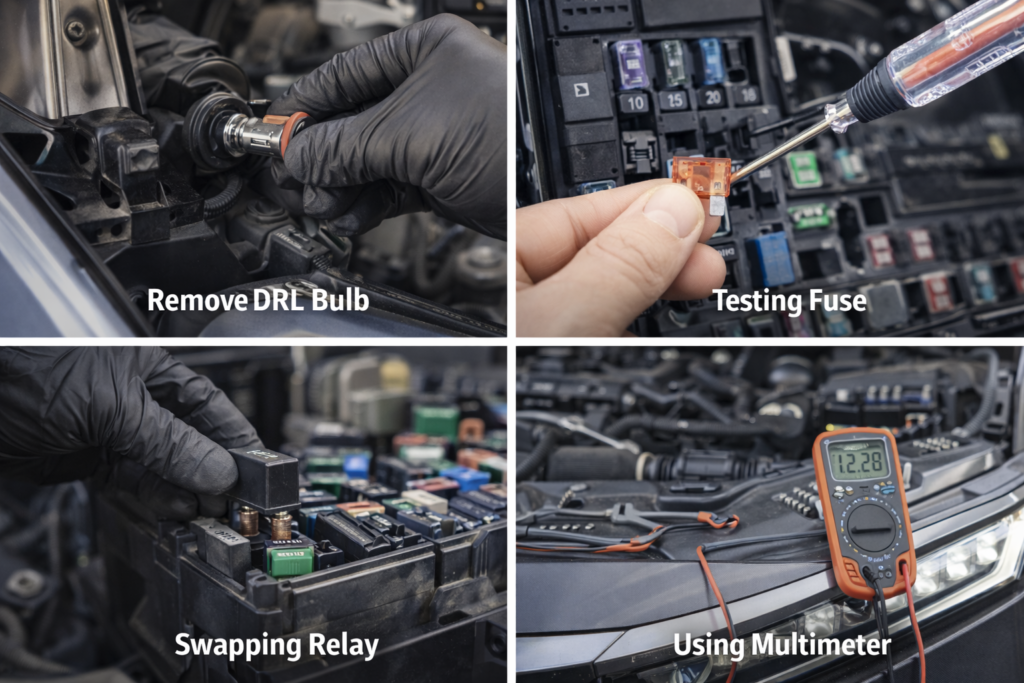
Fixes range from simple DIY to complex repairs, and costs vary accordingly.
DIY Bulb Replacement:
For accessible models, replace bulbs that cost $10 to $ 20 each. Labour at home saves the $140 shop fee, bringing the total to under $50. Ensure OEM parts to avoid compatibility errors.
Fuse and Relay Fixes:
Swap fuses (under $5) or relays ($20 to $30). Test post-replacement to confirm resolution.
Advanced Repairs:
Sensor or wiring repairs can cost noticeably more than simple bulb or fuse fixes. Wiring repairs typically cost $200 to $400, depending on model complexity. For wiring, expect $200 to 400, especially in hybrid setups.
Turning Off DRL on Honda Accord: Is It Possible?
While DRL is designed for constant operation, temporary deactivation is feasible.
Manual Override Methods:
Set the parking brake before ignition to prevent activation. Alternatively, pull fuse #15 in the driver’s side box for permanent disablement.
Legal Considerations:
In the U.S., it is legal but not recommended due to safety losses. Check local laws, as some states mandate visibility aids.
Pros and Cons:
Pros include reduced battery strain; cons include increased crash risk, but it does increase overall crash risk.
DRL vs. Other Honda Warning Lights:
Contextualising DRL within the dashboard hierarchy aids prioritisation.
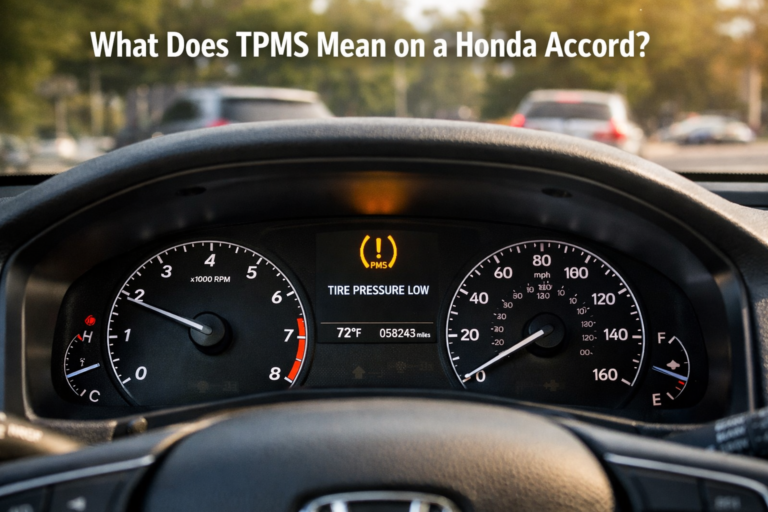
If you have ever ignored a dashboard light thinking it was harmless, the TPMS warning is another one that Accord owners often misunderstand, and it can cost you tyres fast.
Also Read: What Does TPMS Mean on a Honda Accord?
DRL vs Headlights vs Parking Lights: What is the Difference?
| Feature | DRL (Daytime Running Lights) | Headlights | Parking Lights |
| Purpose | Improve daytime visibility | Illuminate the road at night | Make the vehicle visible when parked |
| Turns On Automatically | Yes (engine on, e-brake released) | Yes (in Auto mode, low light) | No (manual switch) |
| Brightness Level | Low to medium | Full brightness | Very low |
| Used During Day | Yes | No (unless manually on) | Rarely |
| Used at Night | No | Yes | No |
| Rear Lights On | No | Yes | Sometimes |
| Affects Battery | Minimal | Moderate | Minimal |
| Legal Requirement | Mandatory in some countries | Mandatory at night | Not required |
Colour Coding Explained:
DRL warnings are typically yellow/orange, indicating caution rather than red stop alerts like brake failures.
Related Symbols:
Compared to TPMS or check-engine lights, DRL is lighting-specific but can integrate with ADAS warnings in 2026 Accords.
Prioritising Warnings:
Address red lights first; yellow like DRL next to maintain safety features.
Lighting warnings get attention, but braking issues are the ones that end trips early, knowing both keep inspections stress-free.
Also Read: How Long Do Honda Brake Pads Last?
Preventive Maintenance for DRL System
DRL systems are mostly set-and-forget, which is why small issues often go unnoticed for months. Regular upkeep extends system life.
Routine Checks:
Inspect bulbs monthly and clean sensors with a microfiber cloth to prevent false triggers.
Cleaning Sensors:
Use isopropyl alcohol for ambient sensors, avoiding abrasives.
Upgrading to LEDs:
Switch to LEDs for $30 to 50 per set to boost efficiency and reduce failures in older Accords.
Also Read: How Long Do Honda Brake Pads Last?
Honda Accord DRL in Different Conditions:
Performance varies by environment.
Day vs. Night Behaviour:
DRL dims or deactivates at night, handing off to full headlights via sensors.
Impact of Weather:
In rain or fog, DRL enhances visibility, but pair it with fog lights for optimal safety.
E-Brake and DRL Link:
The e-brake acts as a safety interlock, preventing DRL activation until it is released to avoid unnecessary operation.
DRL Behaviour Matrix
| Condition | DRL Status | Recommended Action |
| Daylight, Engine On | Active | None |
| Night, Headlights On | Dimmed/Off | Verify Auto Mode |
| E-Brake Engaged | Off | Release for Activation |
| Fault Detected | Warning Light | Diagnose Immediately |
What are the Common Mistakes Owners made?
Many Accord owners encounter similar hurdles, often from overlooking basics.
One common mistake is ignoring the warning, which can lead to failed inspections. Another is using non-OEM LEDs, which can cause flickering or errors. Why does the DRL light appear when the e-brake is on? It is a normal interlock release. How does DRL work with automatic headlights? It integrates seamlessly, prioritising energy efficiency.
What Are the Best DRL Maintenance Tips for the Accord?
For advanced users, optimise DRL with custom mods.
Some owners reset the system by briefly disconnecting the battery, but this only helps if the issue is software-related. Use diagnostic apps for real-time monitoring. For 2026 models, leverage over-the-air updates for software-enhanced DRL. Always prioritise OEM parts for reliability, and consider integrating with blind-spot detection for holistic safety.
Unique insight: In hybrids, DRL draws very little power thanks to regenerative braking support.
For more on DRL regulations, visit NHTSA’s official guide.
FAQ’s:
What does DRL mean on a Honda Accord?
DRL means Daytime Running Lights, an automatic safety feature that improves vehicle visibility during the day using low-intensity front lights.
Why is the DRL warning light on?
It often indicates a faulty bulb, blown fuse, or sensor issue. Perform a diagnostic check to identify the exact cause.
How do I fix the DRL light?
Start with bulb or fuse replacement; for complex problems like wiring, consult a mechanic to avoid further complications.
Is it safe to drive with the DRL light on?
Yes, if the other lights function, but it reduces visibility. Fix it soon to maintain full safety benefits.
How to turn off DRL on the Honda Accord?
Engage the parking brake before starting or remove the relevant fuse, but consider legal and safety implications first.
What causes the DRL light to come on with the e-brake on?
It is a designed interlock: the light stays off until the e-brake is released, ensuring the DRL activates only when the vehicle is moving.
Conclusion:
In summary, DRL on a Honda Accord stands for Daytime Running Lights, a vital safety feature enhancing visibility and reduces crashes. From basic fixes to advanced maintenance, addressing issues promptly ensures optimal performance. Schedule a professional check if warnings persist. Stay safe on the road.